
Ice Cleaning in NHL: Timing and CBA Considerations
An in-depth overview of cleaning protocols during play and collective bargaining implications
Highlights
- Scheduled in-game and intermission cleaning: Ice is cleaned at predetermined times—between periods, during TV timeouts, and at specific clock markers during play.
- Critical for safety and game flow: Maintaining optimal ice quality is essential for both player safety and smooth gameplay.
- CBA and facility operational standards: While the Collective Bargaining Agreement indirectly impacts ice maintenance via overall player working conditions and facility upkeep, detailed cleaning protocols are primarily defined in NHL rules.
Overview of Ice Cleaning Protocols During NHL Periods
The National Hockey League (NHL) employs a detailed schedule for cleaning the ice during games. These protocols ensure that the surface remains smooth, safe, and conducive to high-quality play. The cleaning process is executed by ice crews using resurfacing machines—commonly known by the widely recognized brand name, Zamboni—and also involves manual clearing by specialized personnel during specific stoppages like TV timeouts. These measures are designed to remove ice shavings, debris, and any irregularities that may have accumulated due to continuous play.
Scheduled Cleaning Times During Regular Play
Throughout each period of play, the NHL adheres to strict guidelines regarding when ice cleaning must occur. The primary cleaning points are as follows:
In-Game Stopwatch-Based Cleaning
During active play, cleaning is required at very specific moments identified by the game clock. The ice is shoveled at the first "even-strength, non-icing, non-goal" whistle that occurs after the game clock passes these time points:
- 14:00 remaining in the period: The game's pace and physical play result in scrapes and scratches that moderately affect the surface’s quality. Cleaning at this point helps in smoothing out minor irregularities.
- 10:00 remaining: By this time, additional wear is apparent as players continue to use the surface aggressively. Cleaning here is crucial to maintain a consistent, safe playing area.
- 6:00 remaining: As the period nears its end, ice imperfections can become more pronounced due to accumulated wear and tear. A timely cleaning at this moment ensures the remaining time is played on optimal ice.
This schedule, implemented during each period, is designed not only to maintain surface quality but also to help mitigate risks associated with uneven ice which could potentially cause injuries or affect the puck’s trajectory.
Intermissions and Extended Resurfacing
In addition to in-game maintenance, substantial ice resurfacing is performed during the intermissions between periods. These breaks, typically lasting between 17-18 minutes, provide an ideal opportunity for comprehensive ice maintenance. Two crucial aspects are included in this process:
- Complete Surface Resurfacing: Using two dedicated ice resurfacing machines ensures that the entire rink is reconditioned. This process involves shaving the ice, removing debris, and applying a thin layer of water that freezes to form a smooth surface.
- Player Break and Tactical Adjustments: The intermission period also allows players to rest, coaches to adjust strategies, and teams to make any necessary tactical decisions without compromising safety.
This extensive cleaning ensures that every new period starts with the best possible ice conditions, reflecting the league’s commitment to player safety and game quality.
Ice Cleaning During TV Timeouts
During each period, television timeouts present additional windows for ice maintenance. The ice cleaning crew uses these stoppages to clear away any excess ice shavings and debris from high-traffic areas such as goal creases and near benches. These brief cleaning stops are critical for:
- Complementing In-Game Cleaning: TV timeouts serve as supplementary cleaning intervals, ensuring that any residual buildup is quickly addressed before play resumes.
- Critical Zones Maintained: By focusing on areas more susceptible to debris accumulation, the crew minimizes potential hazards for players, such as slips or erratic puck movements caused by imperfections in the ice.
A Deeper Dive into Ice Cleaning Logistics
The logistics behind ice cleaning are a blend of automated technology and extensive human oversight. The ice crew operates under tight time constraints, often having as little as a two-minute window during specific game stoppages to complete their cleaning procedures. Their tasks include not only operating the resurfacing machines but also manually shoveling and clearing debris in areas where machines may have difficulty reaching.
Detailed Ice Cleaning Breakdown
Below is a table summarizing the key time points during an NHL period when ice cleaning is conducted:
| Time/Period | Cleaning Action | Method/Notes |
|---|---|---|
| Pre-Game | Initial Resurfacing | Full cleaning using Zamboni machines before play begins |
| After Warm-Up | Spot Cleaning | Removal of debris from pre-game skating |
| During Period: 14:00 remaining | In-Play Shoveling | First even-strength whistle after marker triggers cleaning |
| During Period: 10:00 remaining | In-Play Shoveling | Maintaining smoothness as the game progresses |
| During Period: 6:00 remaining | In-Play Shoveling | Prepares the ice for the final stage of the period |
| Intermissions | Full Resurfacing | Comprehensive cleaning between periods using dual machines |
| TV Timeouts | Targeted Clearing | Crew manually shovelling high-traffic zones |
| Overtime (Regular Season) | Shoveling at 10:00 mark | Condensed cleaning due to shorter game duration |
| Post-Game | Final Resurfacing | Ensuring the ice is cleared and smoothed after the conclusion |
This table encapsulates the breadth of the ice cleaning schedule employed during NHL games, demonstrating the league's commitment to maintaining high-quality ice for performance and safety.
Insights on the Collective Bargaining Agreement (CBA)
The Collective Bargaining Agreement (CBA) between the NHL and the NHL Players’ Association is a foundational document that outlines working conditions, salaries, benefits, and numerous operational aspects that affect players. While the CBA itself does not typically delve into the minutiae of ice cleaning procedures, it imposes broader standards that indirectly benefit ice maintenance.
Indirect Implications for Ice Maintenance
The CBA is designed to ensure that players operate within safe and healthy environments. This emphasis on safety extends to the quality of the playing surface, even if the detailed protocols for cleaning are primarily the responsibility of arena operations and NHL rulebooks rather than the CBA. Key points include:
- Health and Safety Provisions: The general safety clauses within the CBA require teams to maintain conditions that minimize player injury. High-quality ice is a fundamental component of these safety standards.
- Facility and Operational Standards: The CBA mandates that players compete in arenas that adhere to strict operational and maintenance protocols. This indirectly covers the ice surface, ensuring that it is kept in optimal condition.
- Working Conditions: While the document primarily discusses labor relations and contractual conditions, its stipulations about player well-being are supported by a clean and safe playing surface. Adequate maintenance, therefore, remains an integral part of fulfilling these working conditions.
Negotiations and Evolving Standards
Discussions and negotiations for new CBAs can sometimes influence the details of operational standards in NHL arenas, including aspects like ice cleaning protocols. As talks on new agreements are periodically held (with negotiations expected to commence at scheduled intervals), improvements or updates can emerge. However, the existing framework already supports frequent and effective cleaning routines that protect player safety.
It is important to note that while the CBA covers a broad spectrum of requirements related to player welfare, the specific timing and detailed procedures for ice cleaning are defined by NHL rules and the operational standards implemented by individual arenas. The responsibilities for ensuring a high-quality ice surface lie primarily with those managing the facility and executing the cleaning protocols during games.
Technological and Operational Aspects of Ice Cleaning
Modern NHL games demonstrate a sophisticated integration of technology and human expertise during ice cleaning operations. Automated resurfacing machines handle the majority of the work, ensuring consistency and speed, while trained crews perform manual cleaning to address areas that require extra attention.
Role of Resurfacing Machines
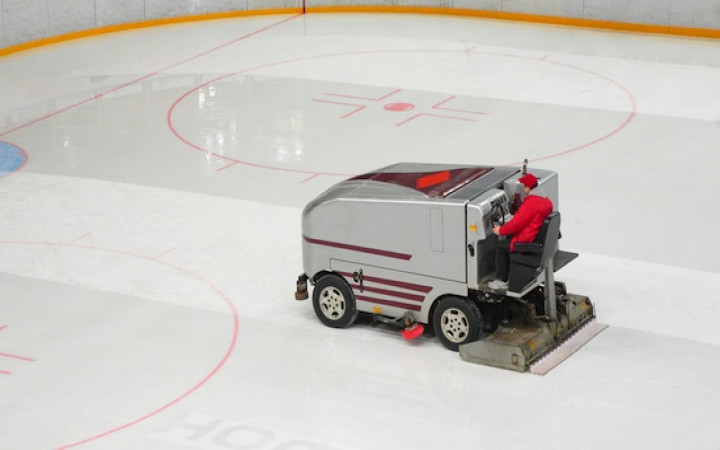
Resurfacing machines, often colloquially referred to as Zambonis, are the workhorses behind the intermission and post-period cleaning processes. These machines perform multiple functions: shaving off the top layer of the ice, collecting snow and shavings, and then adding a thin layer of water that freezes to create a smooth playing surface. Their efficiency not only expedites the turnaround between periods but also ensures that the quality of ice remains consistent, even in games where the conditions may become variable due to heavy usage.
Manual Intervention by the Ice Crew
Despite the heavy reliance on automated machines, the human element remains indispensable in ice maintenance. The ice crew is tasked with addressing issues that machines may miss, such as localized piles of debris in high-traffic areas or remnants of ice shavings that accumulate during intense play. With strict time limitations (often mere minutes during TV timeouts or in-game stoppages), the crew’s efficiency is paramount to maintaining both safety and the overall pace of the game.
This blend of advanced machinery and skilled human intervention has been refined over decades of professional hockey, ensuring that every NHL game is conducted on a consistently high-quality ice surface.
Impact on Game Flow and Player Safety
The rigorous ice cleaning schedule is not simply a matter of aesthetics—it has a direct impact on both the flow of the game and player safety. Smooth, even ice minimizes the risk of falls and incidents that could lead to injuries. Similarly, consistent ice quality ensures that pucks behave predictably, which is crucial for maintaining fair play and competitive balance.
Benefits for Gameplay
From an operational standpoint, efficient ice cleaning helps keep the game running at a swift pace, reducing delays and maintaining audience engagement. The protocols ensure that any disruptions caused by uneven ice are minimized, fostering an environment where skill and strategy remain the primary determinants of play.
Player Safety Considerations
A safe playing surface is fundamental to preventing injuries on the ice. The NHL’s strict cleaning protocols, reinforced by both league rules and facility standards, play a significant role in protecting athletes. By focusing on key moments during the game for ice cleaning, the league reduces the likelihood of accidents, thereby enhancing overall player welfare.
Further Technical and Operational Considerations
Even though the specifics of ice cleaning are clearly defined by NHL rules, the overall procedure reflects a broader trend in professional sports toward maximizing safety and performance through precise operational measures. In arenas where environmental conditions such as ambient temperature or humidity might affect the ice surface, additional cleaning may be warranted to maintain consistency.
Adjustments for Extended Play and Overtime
In regular-season overtime, where the duration of play is shortened, the cleaning schedule is modified to prioritize the most critical period of play. Ice cleaning is mandated at the first whistle after the 10:00 mark to accommodate the condensed timeline without compromising safety. This adaptability in the cleaning protocol demonstrates the NHL's commitment to maintaining high standards under varied game conditions.
Although the CBA does not directly dictate these granular details, it ensures that all facilities provide a high standard of safety and maintenance, which by extension supports these cleaning protocols.
References
- As the Zamboni Idles, NHL Ice Crews Do the Heavy Clearing - The New York Times
- Question About Cleaning the Ice (NHL) - Reddit
- 2024-25 NHL Rulebook - NHL
- The Shocking Truth About NHL Hockey Breaks Between Periods - Ice Hockey Central
- NHL Intermissions and Ice Resurfacing - The Stadiums Guide
- NHLPA Expected to Begin Talks on New CBA in Early 2025 - NHL
- NHL Collective Bargaining Agreement - Wikipedia
- NHL Players’ Association CBA Overview - NHLPA
- NHL Intermission Protocols - The Stadiums Guide
- NHL Ice Quality and Safety Protocols - NHL News
Recommended Searches
 media.nhl.com
media.nhl.com
media.nhl.com
media.nhl.com
Last updated March 1, 2025