
Improving the National Identification System through an Online Verification Portal
Enhancing accuracy, efficiency, and cost-effectiveness in NID and birth certificate issuance
Key Takeaways
- Secure Online Verification: Implementing robust authentication ensures data security and accurate document verification.
- Enhanced User Experience: A user-friendly interface allows applicants to review and confirm their documents easily, reducing errors.
- Cost and Time Efficiency: Minimizing printing errors and automating workflows lead to significant cost savings and improved processing times.
Introduction
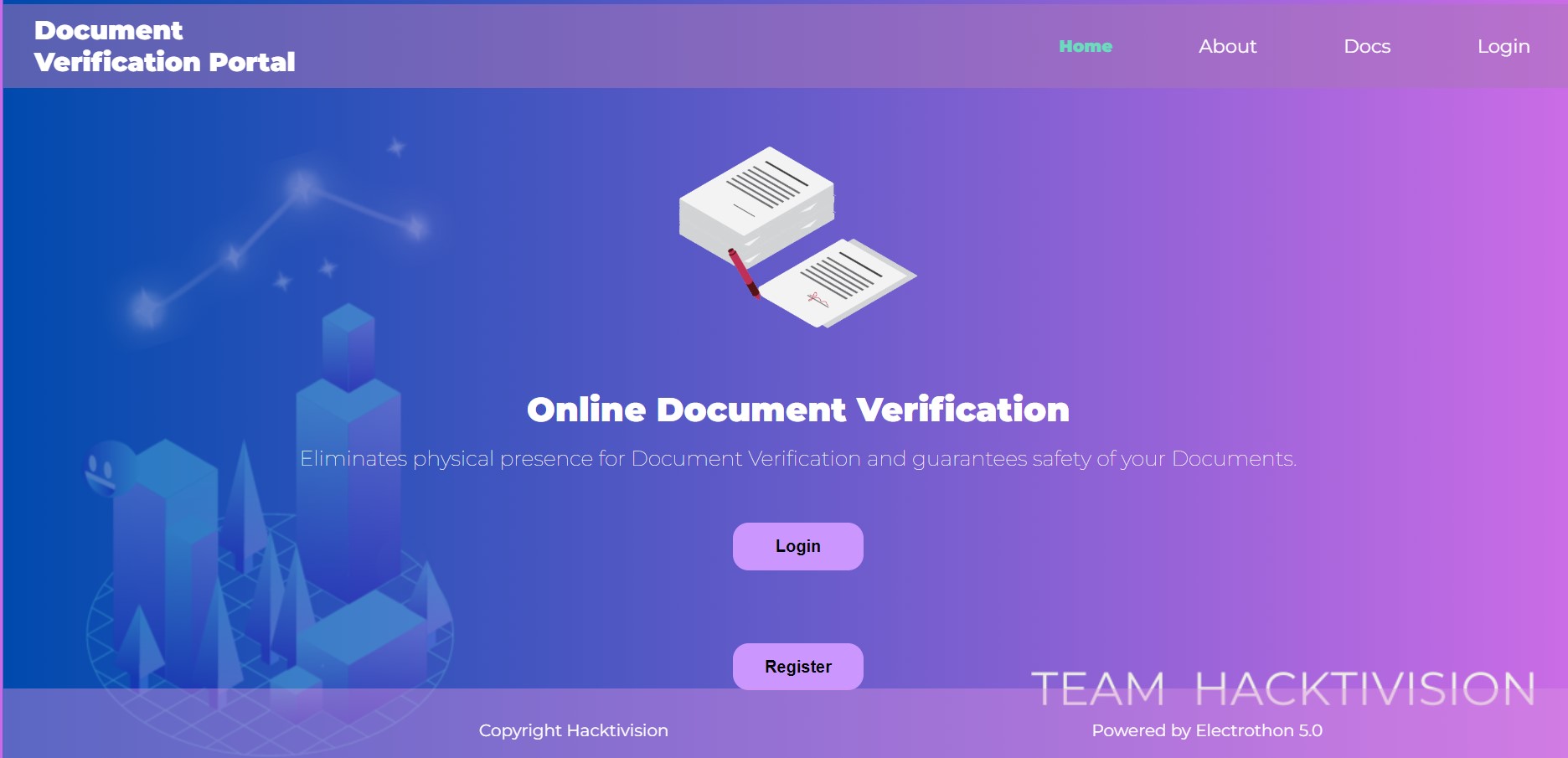
The National Identification (NID) system serves as a cornerstone for personal identification and various governmental services. However, the current process of issuing birth certificates and NIDs is plagued by frequent printing errors, leading to increased costs, inefficiencies, and user dissatisfaction. To address these challenges, this concept proposes the development of an online verification portal that allows applicants to log in and review the final drafts of their birth certificates and NIDs before printing. This initiative aims to enhance the accuracy, efficiency, and cost-effectiveness of the NID issuance process.
Objectives
Primary Goals
The primary objectives of implementing an online verification portal for the NID system are:
- Reduction of Printing Errors: Minimize mistakes in birth certificates and NIDs by enabling applicants to verify their documents online before printing.
- Cost Savings: Decrease printing costs by avoiding unnecessary reprints due to errors.
- Time Efficiency: Streamline the document issuance process, reducing the time from application to collection.
- Workload Improvement: Optimize administrative workload by automating verification processes and minimizing manual corrections.
- Enhanced User Experience: Provide a convenient and secure platform for applicants to manage their personal documents.
Implementation Plan
1. Portal Development
Features
The online verification portal will include several key features to ensure a seamless and secure experience for applicants:
- Secure Login System: Applicants will receive unique login credentials via secure channels such as email or SMS upon application submission.
- User-Friendly Interface: A clean and intuitive dashboard will display the final drafts of birth certificates and NIDs, allowing easy navigation and review.
- Document Preview: High-resolution previews of documents will enable applicants to scrutinize all details, including personal information, photographs, and signatures.
- Interactive Feedback Mechanism: Options to approve documents, request corrections, or flag issues will facilitate direct communication between applicants and administrative staff.
- Real-Time Notifications: Applicants will receive updates on the status of their documents, including confirmation of approval and notifications of any required corrections.
- Mobile Compatibility: The portal will be optimized for both desktop and mobile devices, ensuring accessibility for all users.
Security Measures
Ensuring the security and privacy of applicant data is paramount. The portal will incorporate multiple layers of security, including:
- Two-Factor Authentication (2FA): Enhances login security by requiring a second form of verification, such as a code sent to the applicant's mobile device.
- Data Encryption: All data transmitted between the applicant's device and the portal will be encrypted using industry-standard protocols.
- Role-Based Access Control: Ensures that only authorized personnel can access sensitive information and perform specific actions within the system.
- Regular Security Audits: Periodic assessments will be conducted to identify and mitigate potential vulnerabilities.
- Compliance with Data Protection Regulations: The portal will adhere to national and international data protection laws to safeguard applicant information.
2. User Registration and Authentication
Each applicant will receive a unique set of login credentials upon reaching the final stage of their application process. The registration process includes:
- Credential Distribution: Secure methods such as encrypted emails or SMS messages will be used to deliver login information to applicants.
- Multi-Factor Authentication: In addition to the password, a secondary verification step (like a one-time code) will be required to access the portal.
3. Document Review and Verification
Once logged in, applicants can access and review the final drafts of their birth certificates and NIDs. This process involves:
- Detailed Document Display: All personal information, including names, dates, photographs, and signatures, will be clearly presented for verification.
- Approval and Correction Options: Applicants can either approve the document for printing or request corrections if discrepancies are found.
- Time-Limited Window: A specific timeframe (e.g., 7-10 days) will be set for applicants to complete their review and provide feedback.
- Automated Feedback Routing: Correction requests will be systematically routed to the appropriate departments for prompt resolution.
4. Printing and Collection Process
After approval, the documents proceed to the printing phase with enhanced efficiency:
- Secure Printing Queue: Approved documents are added to a centralized printing queue, ensuring accurate and organized processing.
- Batch Printing: Documents are printed in batches, reducing the frequency of individual print jobs and lowering overall printing costs.
- Notification System: Applicants receive real-time updates on the status of their documents, including when printing is complete and documents are ready for collection.
- Digital Receipts: Upon approval, digital receipts confirm the successful processing of documents, eliminating the need for physical paperwork.
5. Administrative Dashboard and Analytics
An administrative interface will be developed to facilitate backend operations:
- System Monitoring: Staff can monitor portal usage, track document approval rates, and oversee the overall workflow.
- Analytics Tools: Built-in analytics will provide insights into user engagement, common error types, and processing times.
- Resource Allocation: Data-driven insights will aid in optimizing resource distribution and improving system performance.
- Audit Trails: Comprehensive logs of all actions performed within the portal will ensure transparency and accountability.
6. User Support and Training
To ensure smooth adoption and effective usage of the portal, the following support mechanisms will be established:
- Help Desk Support: A dedicated support team will assist applicants with technical issues or queries related to the portal.
- User Guides and Tutorials: Comprehensive documentation and video tutorials will be provided to help users navigate the portal.
- Multilingual Support: The portal will offer multiple language options to cater to a diverse applicant base.
- Staff Training Programs: Administrative staff will undergo training to efficiently manage and support the portal operations.
7. Monitoring and Continuous Improvement
Continuous monitoring and iterative improvements are crucial for the long-term success of the portal:
- Performance Metrics: Key indicators such as error rates, user satisfaction, and processing times will be regularly evaluated.
- Feedback Mechanisms: Regular feedback from both applicants and staff will be solicited to identify areas for enhancement.
- System Updates: Based on feedback and performance data, necessary updates and optimizations will be implemented to improve functionality and user experience.
- Scalability Planning: The system architecture will be designed to accommodate increasing user loads and expanding functionalities as needed.
Benefits
- Reduced Printing Errors: Allowing applicants to verify their documents before printing significantly lowers the likelihood of errors, ensuring higher accuracy.
- Cost Efficiency: Minimizing reprints due to mistakes leads to substantial savings in printing materials and operational costs.
- Time Savings: Automating the verification and approval process accelerates the overall workflow, reducing the time from application to document collection.
- Improved Data Quality: Direct feedback from applicants helps maintain the integrity and accuracy of personal data in official documents.
- Enhanced User Satisfaction: Providing a transparent and user-friendly platform enhances the overall experience for applicants, leading to higher satisfaction rates.
- Streamlined Workload Management: By reducing manual interventions and corrections, administrative staff can focus on more critical tasks, optimizing productivity.
- Environmental Impact: Decreasing the number of reprints contributes to reduced paper and ink consumption, promoting environmental sustainability.
Challenges and Considerations
While the proposed online verification portal offers numerous benefits, several challenges must be addressed to ensure successful implementation:
-
Security Risks: Protecting sensitive personal data from cyber threats is paramount. Implementing advanced security measures is essential to prevent data breaches.
-
Digital Divide: Not all applicants may have reliable internet access or the necessary technical skills to navigate the portal. Providing alternative verification methods or support can help bridge this gap.
-
User Adoption: Encouraging applicants to adopt the new system requires effective communication, training, and user-friendly design to ensure ease of use.
-
System Reliability: Ensuring the portal's uptime and responsiveness is crucial for maintaining user trust and preventing bottlenecks in the verification process.
-
Data Integration: Seamless integration with existing government databases and IT systems is necessary to facilitate real-time data synchronization and prevent inconsistencies.
-
Legal and Compliance Issues: Adhering to data protection laws and regulations is mandatory to safeguard applicant information and avoid legal complications.
-
Resource Allocation: Adequate investment in technology infrastructure, staff training, and ongoing maintenance is required to support the portal's operations effectively.
Conclusion
The introduction of an online verification portal for birth certificates and National Identity Documents represents a significant advancement in the NID system. By empowering applicants to review and confirm their documents before printing, the system enhances accuracy, reduces costs, and improves overall efficiency. While challenges such as security, user accessibility, and system integration must be carefully managed, the long-term benefits of streamlined operations, cost savings, and enhanced user satisfaction make this initiative a worthwhile investment. Implementing this digital solution will not only improve the quality and reliability of official documents but also foster greater trust and satisfaction among citizens.
References
Last updated February 11, 2025