
Safety Guidelines for Near-Infrared Light Exposure in Children
Comprehensive safety measures to protect children's health
Key Takeaways
- Adherence to Established Exposure Limits: Following international guidelines is crucial to prevent potential health risks associated with NIR light exposure in children.
- Importance of Protective Measures: Utilizing protective eyewear and ensuring appropriate device certifications significantly mitigate the risks of NIR exposure.
- Supervision and Professional Guidance: Continuous supervision and consultation with healthcare professionals ensure safe application of NIR light in pediatric settings.
Introduction
Near-Infrared (NIR) light, spanning wavelengths from approximately 700 nm to 1400 nm, is utilized in various medical, therapeutic, and consumer applications. While NIR light offers numerous benefits, particularly in medical imaging and therapy, its safety, especially for vulnerable populations like children, necessitates thorough understanding and adherence to established guidelines. This comprehensive guide outlines the safety considerations, recommended practices, and regulatory standards to ensure the safe use of NIR light around children.
Understanding Near-Infrared Light
Definitions and Wavelengths
Near-Infrared (NIR) light is a segment of the electromagnetic spectrum that lies just beyond visible red light. Typically, NIR light encompasses wavelengths from 700 nm to 1400 nm, though some applications may extend slightly beyond this range. Unlike visible light, NIR radiation is not detectable by the human eye, which poses unique challenges and considerations for its safe application, particularly in environments involving children.
Mechanisms of Interaction with Biological Tissues
NIR light interacts with biological tissues primarily through thermal effects. Upon exposure, NIR photons are absorbed by tissues, leading to a rise in temperature. While this property is harnessed beneficially in therapeutic contexts to promote blood circulation and healing, excessive or uncontrolled exposure can result in thermal damage to sensitive structures, especially the eyes and skin of children whose tissues are still developing.
Potential Risks of NIR Exposure
Eye Safety
The eyes are particularly susceptible to NIR radiation. Despite its invisibility, NIR light can focus on the retina, potentially causing thermal injuries. Children’s eyes may be more vulnerable due to their developing physiology, increased lens transmission, and thinner protective layers. Prolonged or intense exposure can increase the risk of cataract formation and other retinal damages. Hence, stringent protective measures are essential when NIR light is used around children.
Skin Exposure
NIR light can penetrate the skin, leading to localized heating. While low-level exposures used in therapeutic devices typically cause minimal temperature increases (often less than 0.5°C), high-intensity or prolonged exposures may result in thermal burns or other skin injuries. Children may be more susceptible to these effects due to their thinner skin and higher surface area-to-volume ratio, which facilitates greater heat absorption.
Thermal and Cumulative Effects
Even at lower intensities, repeated or prolonged exposure to NIR light can lead to cumulative thermal loading. This accumulation can elevate tissue temperatures incrementally over time, potentially resulting in adverse effects. Children, who are more prone to higher metabolic rates and faster absorption of heat, may experience these cumulative thermal effects more acutely than adults.
Safety Guidelines for NIR Exposure in Children
Exposure Limits
Adhering to established exposure limits is paramount in ensuring the safe use of NIR light around children. International organizations such as the International Commission on Non-Ionizing Radiation Protection (ICNIRP) and the International Electrotechnical Commission (IEC) provide comprehensive guidelines that specify maximum permissible exposure (MPE) levels based on wavelength, power density, and duration of exposure.
Key Exposure Standards
| Standard | Wavelength Range (nm) | Ocular MPE (mW/cm²) | Dermal MPE (J/cm²) |
|---|---|---|---|
| ICNIRP 2013 | 700 - 1400 | 1.0 | 200 |
| IEC 62471 | 700 - 1400 | 0.5 | 150 |
Protective Measures
Implementing protective measures is critical in minimizing the risks associated with NIR light exposure in children. These measures include the use of appropriate protective eyewear, ensuring devices comply with safety certifications, and maintaining safe operational practices.
Protective Eyewear
Specialized NIR-blocking lenses should be employed to safeguard children's eyes during exposure. Protective goggles designed for specific wavelength ranges can effectively reduce the risk of retinal damage. It's essential that these protective devices meet relevant safety standards and are comfortable for children to wear.
Device Certification
Ensuring that any NIR-emitting device used around children is certified according to international standards, such as IEC 62471 or ANSI Z136, is imperative. Certified devices have undergone rigorous testing to verify that their emissions remain within safe exposure limits, thereby reducing the potential for accidental overexposure.
Supervision and Guidance
Continuous supervision by responsible adults and consultation with healthcare professionals are essential when using NIR light in environments involving children. This oversight ensures that exposure durations and intensities remain within safe parameters and that any adverse reactions are promptly addressed.
Applications of NIR Light in Pediatric Settings
Medical and Therapeutic Uses
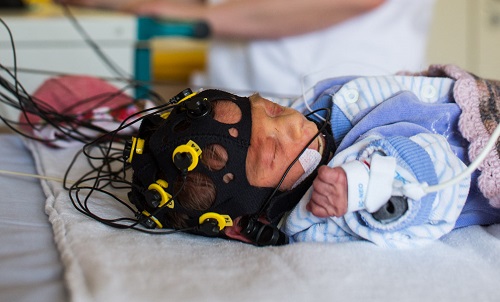
NIR light is employed in various medical applications involving children, including vascular imaging to visualize blood vessels, therapeutic treatments to promote healing and blood circulation, and monitoring cerebral oxygenation in high-risk pediatric patients. These applications must be carefully controlled to adhere to safety guidelines, often necessitating the use of specialized equipment and trained medical personnel.
Consumer Devices
NIR light is also integrated into consumer products such as night-vision baby monitors and certain toys. While these devices are designed to operate within safe exposure limits, it is crucial for parents and caregivers to follow manufacturer instructions and avoid overuse to mitigate any potential risks associated with prolonged NIR exposure.
Recommendations for Parents and Caregivers
Use Certified Equipment
Always ensure that any NIR-emitting equipment used around children is certified by recognized safety standards. This certification indicates that the device has been tested and meets the necessary safety criteria to prevent harmful exposure.
Ensure Proper Supervision
Children should be supervised at all times when NIR light is being used in their vicinity. This supervision helps prevent accidental direct exposure and allows for immediate intervention if any signs of discomfort or adverse reactions are observed.
Implement Protective Measures
Utilize protective eyewear and ensure that any NIR light sources are appropriately shielded or diffused to minimize direct exposure. Additionally, maintain a safe distance between the light source and the child to further reduce potential risks.
Consult Healthcare Professionals
Before initiating any NIR light therapy or incorporating NIR devices into a child's environment, consult with healthcare providers to assess the appropriateness and safety of such measures. Professional guidance ensures that the use of NIR light is tailored to the child's specific health needs and circumstances.
Monitor for Adverse Reactions
Vigilantly monitor children for any signs of adverse reactions, such as eye discomfort, skin irritation, or unusual temperature changes in exposed areas. Promptly addressing these symptoms can prevent the development of more serious health issues.
Conclusion
Near-Infrared (NIR) light offers significant benefits in medical, therapeutic, and consumer applications. However, its use around children necessitates meticulous adherence to safety guidelines to prevent potential health risks. By following established exposure limits, employing appropriate protective measures, and ensuring continuous supervision and professional guidance, the safe integration of NIR light into pediatric settings can be achieved. Parents, caregivers, and healthcare providers must collaborate to ensure that the advantages of NIR light are harnessed effectively while safeguarding children's health and well-being.
References
Last updated February 11, 2025