
Exploring NIT Trichy's Gateway: A Fusion of Materials and Vision
Discover how sustainable materials, structural innovations, and cultural context converge in a landmark gateway
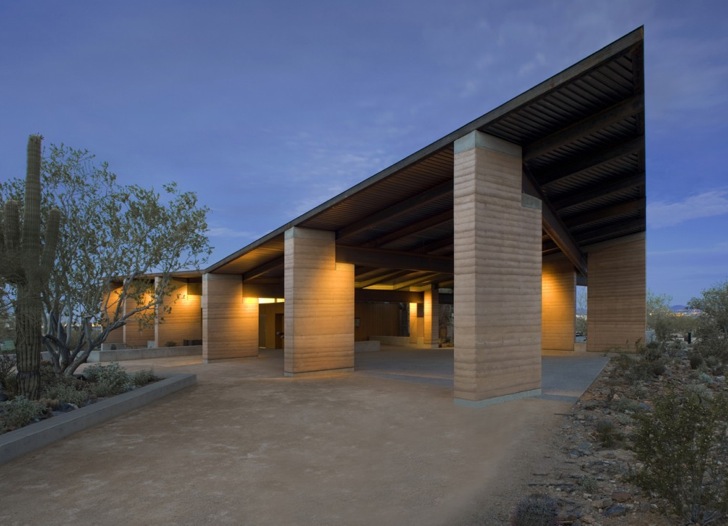
Key Insights
- Materials and Properties: A comprehensive overview of concrete, steel, glass, stone, and innovative options like stabilized compressed earth blocks.
- Benefits and Drawbacks: Detailed analysis of each material’s advantages, limitations, and environmental impact.
- Project Objectives and Context: Emphasis on sustainability, cost-effectiveness, aesthetic appeal, and alignment with local cultural and climatic needs.
Overview of NIT Trichy's Gateway Project
The gateway of NIT Trichy has evolved into a symbol of the institution’s dedication to engineering excellence combined with sustainable practices, architectural aesthetics, and deep respect for the local environment and cultural heritage. In designing such a project, special attention is paid to the selection of materials, each with its own set of properties, benefits, and potential drawbacks. The gateway not only serves as an infrastructural entry point but also a showcase for innovative material usage and design principles that respond to the environmental conditions of Tamil Nadu.
Detailed Analysis of Materials Used and Their Properties
Common Materials in the Gateway Construction
Various conventional and innovative materials are considered in the construction of NIT Trichy's gateway, each selected for its unique attributes that contribute both structurally and aesthetically to the design:
Concrete
Concrete is a staple choice in many infrastructural projects due to its exceptional durability and versatility. It can be molded into a wide range of shapes and structures to create visually compelling designs.
Properties: High compressive strength, weather resistivity, and versatility in form.
Benefits: Its robustness ensures long-lasting stability and low maintenance over time.
Drawbacks: However, concrete production has a high carbon footprint, primarily due to cement manufacturing, and it might be prone to cracking if not properly maintained.
Steel
Steel’s use in modern constructions is well-regarded for its strength-to-weight ratio and structural flexibility.
Properties: It is strong, lightweight, and lends itself to innovative architectural designs.
Benefits: Its high tensile strength and its recyclability at the end of its lifecycle make it a sustainable choice when treated adequately.
Drawbacks: If exposed without proper protection, steel is susceptible to corrosion and can conduct heat, leading to potential energy inefficiencies.
Glass
Glass is often chosen for its transparency and ability to allow natural light to permeate structures.
Properties: Aesthetic transparency coupled with the potential for energy efficiency gains through passive solar design.
Benefits: It enhances visual appeal and integrates natural lighting into the design.
Drawbacks: However, glass can be fragile, requires regular maintenance, and may not offer the durability needed in certain load-bearing applications.
Stone
Stone offers a timeless quality and reflects the traditional aspects of architectural design.
Properties: It is naturally durable and available in several textures and patterns.
Benefits: Stone provides a natural aesthetic that can harmonize beautifully with the local landscape, enhancing the cultural narrative of the gateway.
Drawbacks: The primary challenge with stone is its weight, making transportation and installation more complex and possibly costlier.
Stabilized Compressed Earth Blocks
An innovative choice, particularly for projects emphasizing sustainability.
Properties: Made from locally sourced soil, these blocks offer excellent thermal insulation, are non-combustible, and can be reinforced with stabilizers to resist weathering.
Benefits: Their production requires minimal energy input, reducing the overall carbon footprint. They also have exceptional acoustic properties, reducing noise pollution around the gateway.
Drawbacks: Although cost-effective and environmentally friendly, these blocks can be susceptible to weathering and erosion if exposed to excessive rainfall unless properly treated.
Comparative Overview Table of Materials
| Material | Key Properties | Benefits | Drawbacks |
|---|---|---|---|
| Concrete | High compressive strength; moldable | Durable; low-maintenance; versatile | High carbon footprint; potential for cracking |
| Steel | Strong; lightweight; flexible | High tensile strength; recyclable; innovative design options | Susceptible to corrosion; may conduct heat |
| Glass | Transparent; energy efficiency through natural light | Aesthetic appeal; natural illumination | Fragile; requires frequent maintenance |
| Stone | Natural; heavy | Timeless aesthetic; integrates with surroundings | Heavy; costly transportation and installation |
| Stabilized Compressed Earth Blocks | Good thermal and acoustic insulation; eco-friendly | Sustainable; low energy input; local sourcing reduces transport costs | Can be vulnerable to erosion in high rainfall areas without proper treatment |
Project Objectives
The design and construction of the NIT Trichy gateway are driven by several overarching objectives, each influencing the choice of materials and design principles:
Sustainability
The gateway is designed with an environmentally responsible approach in mind. Key sustainability initiatives include:
- Eco-friendly Materials: The use of locally sourced materials like stabilized compressed earth blocks minimizes environmental impact whilst reducing transport and energy costs.
- Energy Efficiency: Incorporating materials with high thermal insulation properties (e.g., compressed earth blocks and properly insulated concrete) offers natural regulation of interior temperatures, reducing reliance on artificial heating and cooling.
- Reduced Carbon Footprint: By opting for materials that require lower energy for production and involve recycling options (like steel), the project helps decrease its overall ecological footprint.
Cost-Effectiveness
Financial prudence in design includes balancing initial construction costs with long-term maintenance and lifecycle expenses. Considerations include:
- Durability: Materials such as concrete and stone, though sometimes costlier upfront, require fewer repairs over time, ensuring long-term savings.
- Local Sourcing: Utilizing local materials (e.g., soils for compressed earth blocks) cuts down on transportation expenses and supports local economies.
- Maintenance: While some materials like glass may require regular upkeep, their design integration in controlled areas diminishes ongoing costs when well-planned.
Aesthetic Appeal
Visual and cultural dimensions play a pivotal role in the gateway’s design. The aesthetic objectives include:
- Integration with Local Culture: The architectural style is influenced by traditional Indian design elements, reflecting the cultural heritage of Tamil Nadu and creating a welcoming identity for the campus.
- Visual Harmony: The interplay of varied materials like stone for timeless appeal, glass for modern transparency, and steel for structural elegance ensures that the gateway is both functional and artistically striking.
- Innovative Forms: Structural forms such as semi-circular cylinders with inclined walls are employed not only to manage environmental controls (temperature, airflow, acoustics) but also to evoke a distinctive modern landmark that distinguishes NIT Trichy.
Context and Location Considerations
The environmental and cultural settings at NIT Trichy are integral to the gateway’s design:
Environmental Considerations
Being located in Tamil Nadu, the gateway is designed to perform optimally under hot and humid conditions. Key environmental strategies include:
- Climate Adaptation: Materials with thermal insulation properties (e.g., compressed earth blocks and insulated concrete) help in moderating interior temperatures. This reduces energy consumption by lessening the need for mechanical cooling or heating.
- Weather Resilience: Special treatments and design interventions ensure that materials are protected against factors such as heavy monsoon rains, thereby prolonging structural lifespan.
- Local Ecosystem Support: Incorporating native planting and landscaping near the gateway fosters local biodiversity and mitigates urban heat island effects.
Cultural Considerations
The gateway is more than a physical passage; it is a cultural emblem that resonates with the local heritage and academic prestige of NIT Trichy:
- Heritage Reflection: The design draws inspiration from traditional architectural motifs prevalent in Tamil Nadu. Stone and other natural materials are selected to echo historical and cultural aesthetics.
- Community Identity: By marrying modern engineering with age-old design paradigms, the gateway creates a sense of pride, unity, and identity among students, faculty, and visitors alike.
- Visual Landmark: The iconic design of the gateway serves not only practical purposes but also stands as a statement of cultural preservation and progress, symbolizing the spirit of innovation that defines the institution.
Integration of Design, Materials, and Vision
In synthesizing the materials' properties, the objectives of sustainability, cost-effectiveness, and aesthetic grandeur come into focus. Each material contributes uniquely to the functionality and beauty of the gateway:
For instance, while concrete and steel provide the necessary structural backbone with their endurance and strength, glass and stone enhance the visual narrative by blending modernity with tradition. Meanwhile, innovative elements like stabilized compressed earth blocks not only reduce environmental impact but also offer acoustic and thermal advantages, which are crucial for an entry structure exposed to fluctuating climatic conditions.
This balanced integration ensures that the gateway is more than just an entrance—it is an open invitation that communicates the institute's commitment to responsible engineering, aesthetic sensitivity, and cultural reverence. The project embodies the principle that structures should not merely serve a utilitarian function but also elevate the experiential quality of space, resonating with both contemporary design trends and local heritage.
References
- NIT Trichy - Gateways - National Institute of Technology, Tiruchirappalli
- NIT Trichy - Materials Science - NIT Trichy
- Acoustic Materials Study - Architectural Acoustics
- NIT Trichy – Documentation & Analysis
- Architectural Case Study - NIT Trichy
Recommended Further Explorations
Last updated March 25, 2025