
Unlocking Memories: How Brain Receptors Shape Our Spatial World
Exploring the critical link between NMDARs, the hippocampus, and our ability to navigate and remember.
The brain's ability to create and recall spatial maps relies heavily on intricate molecular machinery within a region called the hippocampus. Central to this process are the N-methyl-D-aspartate receptors (NMDARs), specialized proteins that act as gatekeepers for learning and memory formation. Understanding their function sheds light on how we learn new environments and why disruptions can lead to memory impairments.
Key Insights
- NMDARs are essential for memory consolidation: While not always required for immediate learning, these receptors are crucial for stabilizing spatial memories for long-term recall, primarily through enabling synaptic plasticity in the hippocampus.
- LTP is the cellular basis of learning: Discovered in 1973, Long-Term Potentiation (LTP), the strengthening of synaptic connections, is heavily dependent on NMDAR activation and is considered a fundamental mechanism for how the hippocampus supports spatial memory.
- Hippocampal subregions have distinct roles: NMDARs function differently across hippocampal areas like CA1 (memory acquisition, association), CA3 (pattern completion, rapid encoding), and the Dentate Gyrus (pattern separation, new neuron integration), contributing uniquely to spatial cognition.
The Hippocampus: Your Brain's GPS and Filing Cabinet
Navigating the Neural Landscape of Spatial Memory
The hippocampus, a seahorse-shaped structure nestled deep within the brain, is indispensable for forming certain types of memories, particularly episodic memories (events of your life) and spatial memories (your internal map of the world). Think of it as your brain's internal GPS, constantly working to encode information about places and how to navigate between them. It's also like a crucial filing system, helping to organize and store these experiences for later retrieval. Damage or dysfunction in the hippocampus severely impairs the ability to form new spatial memories or navigate familiar environments.
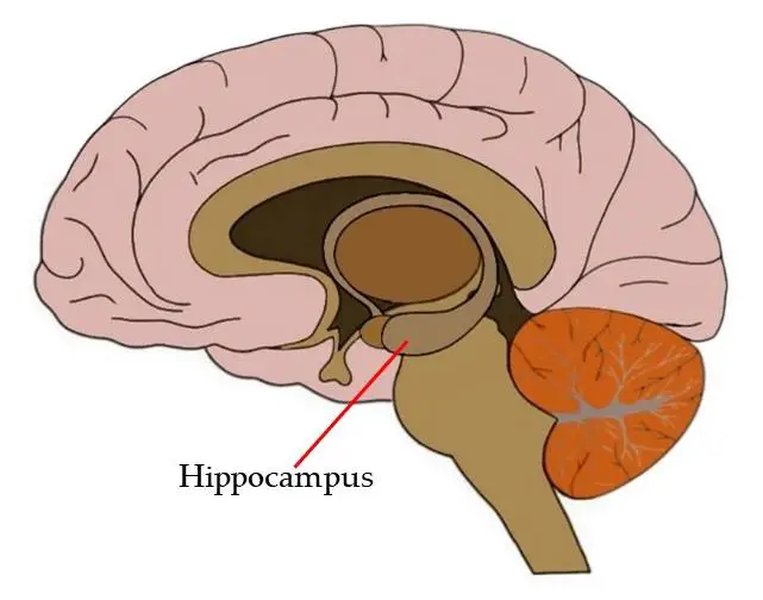
The Hippocampus: A Vital Brain Region for Memory
This image highlights the location of the hippocampus, emphasizing its central role in memory formation, especially spatial memory, which allows us to understand and navigate our surroundings.
NMDARs: The Molecular Gatekeepers of Learning
Understanding the Receptor That Makes Memory Possible
N-methyl-D-aspartate receptors (NMDARs) are a specific type of ionotropic glutamate receptor found abundantly on nerve cells (neurons), especially within the hippocampus. They act as sophisticated molecular machines crucial for synaptic plasticity – the ability of connections (synapses) between neurons to strengthen or weaken over time, which is the fundamental process underlying learning and memory.
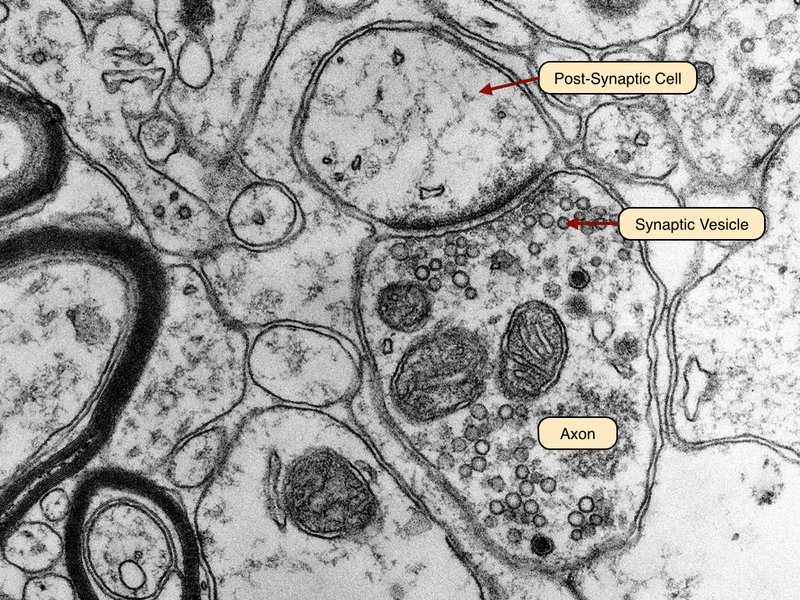
Synaptic Connections: Where Learning Happens
NMDARs reside at synapses, the junctions where neurons communicate. Their activation is key to modifying the strength of these connections, a process vital for memory formation.
Unique Properties of NMDARs
What makes NMDARs special? Several key features distinguish them:
- Glutamate and Co-agonist Requirement: They require binding of the neurotransmitter glutamate, but also a co-agonist (like glycine or D-serine) to open.
- Voltage-Dependent Magnesium Block: At resting membrane potential, the receptor's channel is blocked by a magnesium ion (Mg2+). This block is only removed when the neuron is sufficiently depolarized (electrically excited), typically by activation of other receptors like AMPA receptors.
- High Calcium Permeability: Once open, NMDARs allow a significant influx of calcium ions (Ca2+) into the neuron.
- Slow Kinetics: They activate and deactivate relatively slowly compared to other glutamate receptors.
These properties make NMDARs act as "coincidence detectors." They only open fully and allow significant Ca2+ influx when two conditions coincide: the presence of glutamate (signaling presynaptic activity) and strong postsynaptic depolarization (signaling postsynaptic activity). This Ca2+ influx is the critical trigger for initiating downstream signaling cascades that lead to synaptic plasticity, primarily Long-Term Potentiation (LTP) and Long-Term Depression (LTD).
NMDAR Subunits and Their Roles
NMDARs are typically composed of four subunits. They always include two essential GluN1 subunits, combined with two regulatory subunits, most commonly GluN2A or GluN2B in the adult hippocampus. These regulatory subunits influence the receptor's properties and function:
- GluN2A-containing NMDARs: Often associated with more mature synapses and linked to the stabilization of synaptic changes and general associative learning, including spatial tasks.
- GluN2B-containing NMDARs: More prevalent earlier in development and at extrasynaptic locations, they tend to have slower kinetics and are implicated in initiating plasticity and encoding temporally spaced events or novel information.
Research using specific blockers for these subunits confirms their distinct contributions to different aspects of hippocampal-dependent memory formation.
NMDARs and Spatial Memory Formation
The link between hippocampal NMDARs and spatial learning is robustly supported by experimental evidence:
- Knockout Studies: Mice genetically engineered to lack the essential GluN1 subunit specifically in the CA1 region of the hippocampus show severe impairments in spatial learning tasks (like the Morris water maze) and lack CA1 LTP, while often performing normally in non-spatial tasks.
- Pharmacological Blockade: Using drugs that block NMDARs (antagonists) impairs the acquisition and consolidation of new spatial memories in rodents. While animals might be able to perform tasks based on previously learned information or even rapidly acquire some spatial information during training with the blocker present, they typically fail to retain this new information long-term.
- Consolidation vs. Acquisition: Evidence suggests NMDARs are particularly vital for the consolidation phase – stabilizing newly acquired spatial information into a lasting memory trace – rather than the initial, rapid encoding or the expression of already consolidated memories.
- Context and Conflict: Hippocampal NMDARs also seem to play a role in resolving conflicts when competing spatial cues or memories are present, potentially acting within a comparator system that detects novelty or mismatch and triggers appropriate behavioral responses.
Mindmap: NMDAR Functions in Hippocampal Memory
This mindmap provides a visual overview of the multifaceted roles NMDARs play in supporting spatial learning and memory within the hippocampus, touching upon their mechanism, plasticity roles, subunit specifics, and regional importance.
A Brief History of Long-Term Potentiation (LTP)
Discovering How Synapses Strengthen
The story of Long-Term Potentiation (LTP) is central to modern neuroscience's understanding of learning and memory. LTP refers to a persistent strengthening of synapses based on recent patterns of activity. This long-lasting increase in signal transmission between two neurons results from stimulating them synchronously.
The Landmark Discovery
LTP was first reported in 1973 by Tim Bliss and Terje Lømo in the hippocampus of anesthetized rabbits. They observed that applying a brief, high-frequency train of electrical stimuli to the perforant path (a bundle of nerve fibers connecting the entorhinal cortex to the hippocampus) resulted in a long-lasting enhancement of the postsynaptic response in dentate gyrus neurons. This finding was revolutionary because it provided the first clear experimental evidence for a long-lasting form of synaptic plasticity in the brain that could plausibly underlie memory storage.
Linking LTP to NMDARs
Subsequent research, particularly in the 1980s, solidified LTP's importance and began unraveling its mechanisms. A crucial breakthrough was the discovery that the induction of the most common form of LTP in the hippocampus (especially in the CA1 region) is critically dependent on the activation of NMDARs. Researchers found that blocking NMDARs prevented the induction of LTP, even when the high-frequency stimulation was delivered. This established the NMDAR, with its unique properties as a coincidence detector requiring both presynaptic glutamate release and postsynaptic depolarization, as the key trigger for initiating LTP.
LTP as a Memory Mechanism
Since its discovery, LTP has become the most widely studied cellular model for learning and memory. Thousands of studies have explored its molecular mechanisms (involving calcium influx, activation of kinases like CaMKII, insertion of AMPA receptors into the synapse, and structural changes) and its role in various forms of learning, particularly hippocampal-dependent spatial learning. While initially discovered in the hippocampus, LTP-like phenomena have been observed in many other brain regions, suggesting it's a widespread mechanism for neural adaptation.
Visualizing LTP
This short video provides a concise explanation of the basic mechanism behind NMDAR-dependent LTP, illustrating how synaptic connections are strengthened.
The Interplay: LTP and NMDARs in Spatial Memory
The history of LTP research is inextricably linked to our understanding of NMDAR function in spatial memory. The discovery that NMDARs are essential for inducing LTP provided a direct mechanistic link: NMDARs act as the trigger (detecting the coincident activity necessary for learning), and LTP is the resulting synaptic change that stores the information. The impairments in spatial learning observed when NMDARs are blocked or genetically removed correlate strongly with the inability to induce LTP in the hippocampus, reinforcing the idea that NMDAR-dependent LTP is a core cellular mechanism underpinning our ability to learn and remember spatial layouts.
Relative Importance of Factors in Spatial Memory
A Comparative Look at Key Components
Spatial memory is a complex process involving multiple molecular players and mechanisms within different hippocampal subregions. This chart offers a synthesized perspective on the relative importance of NMDAR subunits (GluN2A, GluN2B) and major forms of plasticity (LTP, LTD) across different facets of spatial memory processing within the hippocampus. The scores reflect a qualitative assessment based on the synthesized research, indicating relative contribution rather than absolute measures.
This visualization suggests that LTP is generally considered highly important across all aspects of spatial memory formation and retrieval mediated by the hippocampus. GluN2B may be slightly more critical during the initial encoding of novel spatial information, while GluN2A gains importance for consolidation and retrieval at established synapses. LTD plays a necessary, though perhaps less dominant, role possibly related to refining representations and preventing saturation.
NMDAR Functions Across Hippocampal Regions
A Subregional Look at Receptor Roles
The hippocampus isn't a uniform structure; its different subregions (CA1, CA3, Dentate Gyrus) have specialized roles in processing spatial information. NMDARs contribute uniquely within each area. This table summarizes key NMDAR-dependent functions related to spatial memory in these principal hippocampal subfields.
| Hippocampal Region | Primary Role in Spatial Memory | Key NMDAR Function | Associated Plasticity |
|---|---|---|---|
| CA1 | Memory acquisition, associative retrieval, temporal sequencing | Integration of inputs from CA3 and entorhinal cortex, coincidence detection for associative learning | NMDAR-dependent LTP and LTD crucial for encoding associations and spatial sequences |
| CA3 | Rapid encoding of new memories, pattern completion (recalling full memory from partial cue), spatial mapping | Mediating plasticity at recurrent collateral synapses, allowing for auto-association and rapid learning | NMDAR-dependent LTP enables fast formation of spatial representations and associative links between elements of an environment |
| Dentate Gyrus (DG) | Pattern separation (distinguishing similar memories/environments), gating input to hippocampus, integrating new neurons | Modulating synaptic strength onto granule cells, promoting spine formation, contributing to plasticity needed for discriminating contexts | NMDAR-dependent LTP/LTD involved in encoding distinct spatial contexts and integrating adult-born neurons into spatial circuits |
This table highlights how NMDARs, through their fundamental role in synaptic plasticity, support the specialized computations performed by each hippocampal subregion, ultimately enabling complex spatial learning and memory.
Frequently Asked Questions
What exactly are NMDA receptors?
NMDA receptors (NMDARs) are specialized proteins located at the junctions (synapses) between nerve cells. They are a type of receptor activated by the neurotransmitter glutamate. Their unique properties – requiring both glutamate and cellular electrical activity to open fully, and allowing calcium ions to enter the cell – make them critical for initiating changes in synapse strength, a process called synaptic plasticity, which is essential for learning and memory.
What is Long-Term Potentiation (LTP)?
Long-Term Potentiation (LTP) is a long-lasting enhancement in signal transmission between two neurons that results from stimulating them synchronously. Discovered in the hippocampus in 1973, it involves strengthening the synaptic connection. LTP induction often requires NMDAR activation and the resulting calcium influx. It is widely considered a primary cellular mechanism underlying learning and memory formation in the brain.
Why is the hippocampus so important for spatial memory?
The hippocampus contains specialized neurons called "place cells" that fire when an animal is in a specific location within an environment. It integrates sensory information to create cognitive maps of our surroundings. Its circuitry, particularly the connections within CA1, CA3, and the Dentate Gyrus, is highly plastic and ideally suited for rapidly encoding, storing, and retrieving information about spatial relationships, routes, and locations, making it essential for navigation and spatial memory.
Are NMDARs only involved in spatial memory?
No, while NMDARs are critically important for hippocampal-dependent spatial memory, they are widely distributed throughout the brain and play crucial roles in many other forms of learning and memory, including fear conditioning, object recognition, and skill learning. They are also involved in various other brain functions, such as neuronal development, rhythm generation, and sensory processing. Their role in synaptic plasticity makes them fundamental to many cognitive processes beyond just spatial navigation.
References
- NMDA receptors, place cells and hippocampal spatial memory - Nature Reviews Neuroscience
-
Memory and the NMDA Receptors - PMC (PubMed Central)
- A Specific Role of Hippocampal NMDA Receptors and Arc Protein in Rapid Encoding... - Frontiers in Behavioral Neuroscience
-
Hippocampal NMDA receptor subunits differentially regulate fear memory formation... - PMC (PubMed Central)
-
History of LTP - ScienceDirect (Neuron Journal)
- Long-term potentiation and the role of N-methyl-D-aspartate receptors - PubMed
-
Requirement of hippocampal CA1 NMDAR function for associative learning requires - ScienceDirect (Cell Journal)
Recommended
Last updated April 15, 2025