
Enhancing Campus Navigation through Capstone Research at NMSCST
Leveraging student-driven innovation to improve campus accessibility and experience
Key Takeaways
- Innovative Solutions: Capstone projects utilize cutting-edge technology to address real-world campus navigation challenges.
- Educational Growth: Students gain practical experience in interdisciplinary collaboration and system design.
- Enhanced Campus Experience: Improved navigation systems contribute to a more seamless and efficient campus life for all stakeholders.
Introduction to Capstone Research at NMSCST
The Northwestern Mindanao State College of Science and Technology (NMSCST) places a strong emphasis on capstone research projects, aligning with its mission to foster local and national development through scientific and technological advancements. Capstone projects serve as a culminating academic endeavor, allowing students to apply their accumulated knowledge to solve complex, real-world problems. Among the various focus areas, developing systems that aid in campus navigation stands out as a significant application of capstone research.
Purpose and Scope of Campus Navigation Projects
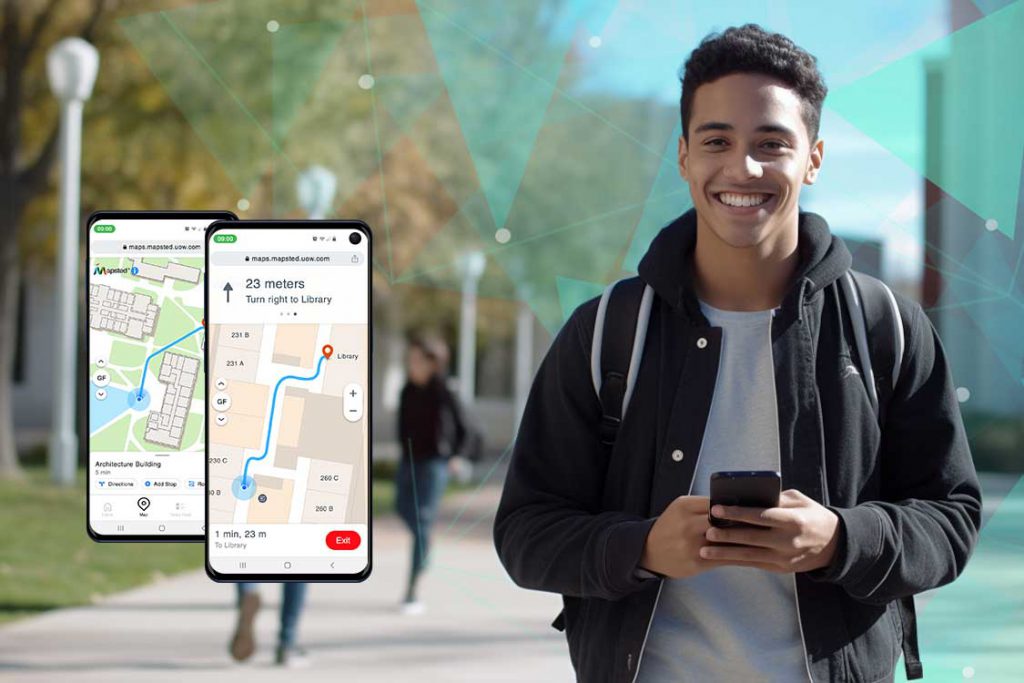
Campus navigation projects aim to address the challenges students face when locating buildings, rooms, and facilities within NMSCST's expansive campus. These projects typically involve the creation of digital tools such as mobile applications or interactive maps that provide detailed directions and real-time information to users. The primary goals include:
- Alleviating the stress associated with finding locations on a large campus.
- Enhancing the overall student experience by making navigation intuitive and efficient.
- Integrating technological solutions that can be scaled and adapted for future needs.
Research Components and Methodology
Needs Assessment
Understanding the specific navigation challenges faced by students is the cornerstone of any effective campus navigation project. This involves:
- Conducting surveys and interviews to gather feedback on existing navigation issues.
- Analyzing campus layout, building locations, and existing signage to identify gaps.
- Assessing the technological proficiency and accessibility needs of the student body.
System Design and Development
Based on the needs assessment, students embark on designing a navigation system tailored to NMSCST's unique campus structure. Key aspects include:
- Creating detailed digital maps that accurately represent campus buildings and facilities.
- Developing algorithms that provide optimal routes based on user preferences and real-time data.
- Ensuring the system is user-friendly and accessible across various devices and platforms.
Usability Testing and Refinement
Once a prototype is developed, rigorous testing is essential to ensure functionality and user satisfaction. This phase involves:
- Deploying the system with a select group of students to gather initial feedback.
- Identifying and addressing any technical glitches or user experience issues.
- Iteratively refining the system based on feedback to enhance performance and reliability.
Implementation and Integration
The final stage focuses on deploying the navigation system campus-wide and integrating it with existing institutional technologies. Steps include:
- Collaborating with the university's IT department for seamless integration.
- Providing training and support to ensure widespread adoption among students and staff.
- Establishing maintenance protocols to keep the system updated and functional over time.
Educational Benefits for Students
Practical Application of Interdisciplinary Knowledge
Capstone projects that focus on campus navigation require students to draw upon knowledge from various disciplines such as computer science, engineering, design, and data analysis. This interdisciplinary approach fosters:
- Comprehensive problem-solving skills.
- Enhanced ability to collaborate across different areas of expertise.
- Preparation for diverse professional environments.
Development of Technical and Soft Skills
Engaging in these projects allows students to hone both technical and interpersonal skills, including:
- Proficiency in software development and system design.
- Effective communication and teamwork.
- Project management and leadership.
Exposure to Real-World Challenges
By tackling actual navigation issues on campus, students gain valuable experience in addressing practical challenges, which enhances their readiness for future careers. This hands-on experience includes:
- Identifying and analyzing real user needs.
- Implementing solutions that have tangible impacts.
- Adapting to unforeseen obstacles and evolving project requirements.
Broader Impact on Campus and Community
Enhanced Student and Visitor Experience
A robust navigation system significantly improves the campus experience by making it easier for new and returning students, faculty, and visitors to find their way around. Benefits include:
- Reduced time spent searching for classrooms, offices, and facilities.
- Increased satisfaction with campus resources and infrastructure.
- Improved punctuality and efficiency in daily activities.
Scalability and Future Applications
The solutions developed through these capstone projects can be scaled and adapted for future needs, potentially benefiting not only NMSCST but also other educational institutions. Scalability aspects involve:
- Modular design that allows for easy updates and expansions.
- Integration of emerging technologies such as augmented reality and artificial intelligence.
- Applicability to other large campuses and institutional settings.
Promotion of Innovation and Continuous Improvement
These projects foster a culture of innovation within the institution, encouraging continuous improvement and the adoption of new technologies to enhance campus operations. This cultural shift is characterized by:
- Encouragement of student-led initiatives and research.
- Investment in technological infrastructure and support.
- Ongoing assessment and enhancement of campus facilities.
Implementation Strategies and Best Practices
Collaborative Development
Successful implementation of campus navigation systems relies on collaboration between students, faculty, and administrative staff. Key strategies include:
- Engaging stakeholders early in the project to gather diverse insights and requirements.
- Fostering partnerships with IT departments and other relevant units for technical support.
- Encouraging interdisciplinary teamwork to leverage varied expertise.
User-Centric Design
Prioritizing the needs and preferences of end-users ensures that the navigation system is both effective and user-friendly. Best practices involve:
- Conducting user research to understand preferences and pain points.
- Implementing intuitive interfaces and clear navigation paths.
- Providing customizable features to accommodate different user needs.
Continuous Testing and Feedback
Ongoing testing and feedback collection are essential for refining the navigation system. Effective approaches include:
- Regularly soliciting user feedback through surveys and focus groups.
- Implementing iterative testing phases to identify and fix issues promptly.
- Maintaining open channels of communication for continuous improvement suggestions.
Case Study: Campus Navigation System Development
Project Overview
A team of final-year students embarked on developing a mobile application designed to facilitate easy navigation across NMSCST's sprawling campus. The project encompassed:
- Designing an interactive map with real-time location tracking.
- Incorporating features such as route optimization, search functionality, and accessibility options.
- Integrating the app with the college's existing information systems for seamless data synchronization.
Development Process
The development process followed a structured approach:
- Planning: Defined project scope, objectives, and timeline.
- Design: Created wireframes and mockups to visualize the user interface.
- Implementation: Coded the application using modern programming languages and frameworks.
- Testing: Conducted multiple testing phases to ensure functionality and user satisfaction.
- Deployment: Launched the app to the broader student body with comprehensive onboarding materials.
Outcomes and Impact
The implementation of the navigation app yielded significant positive outcomes:
- Enhanced Accessibility: Students reported easier navigation, particularly new entrants unfamiliar with the campus layout.
- Time Efficiency: Reduced time spent searching for classrooms and facilities, allowing more time for academic and extracurricular activities.
- User Satisfaction: High levels of satisfaction were noted due to the app's intuitive design and reliable performance.
Challenges and Lessons Learned
Technical Challenges
Developers faced several technical hurdles, including:
- Ensuring accurate real-time location tracking amidst varying signal conditions.
- Integrating the app with existing campus systems without disrupting ongoing operations.
- Maintaining the app's performance across different devices and operating systems.
User Adoption
Encouraging widespread adoption required:
- Effective marketing strategies to raise awareness about the app's benefits.
- Providing user training sessions and support to facilitate onboarding.
- Incorporating user feedback for continuous enhancements.
Interdisciplinary Collaboration
Working across diverse disciplines highlighted the importance of:
- Clear communication channels to align different perspectives and expertise.
- Mutual respect and understanding for each team member's contributions.
- Flexible project management to accommodate varying workflows and timelines.
Future Directions and Recommendations
Integration of Advanced Technologies
Future projects can explore incorporating technologies such as:
- Augmented Reality (AR) for interactive, overlay-based navigation experiences.
- Artificial Intelligence (AI) to provide personalized navigation assistance based on user behavior and preferences.
- Internet of Things (IoT) devices to enhance real-time data accuracy and system responsiveness.
Expansion of Features
Additional features can further enhance the utility of navigation systems, including:
- Offline functionality to ensure accessibility without internet connectivity.
- Integration with event schedules and notifications for timely updates about campus activities.
- Multilingual support to cater to a diverse student population.
Sustainability and Maintenance
Ensuring the long-term sustainability of navigation systems involves:
-
Establishing dedicated teams for regular updates and maintenance.
-
Securing funding and resources for ongoing development efforts.
-
Encouraging continual user feedback to guide future enhancements.
Conclusion
Capstone research at NMSCST plays a pivotal role in bridging academic knowledge with practical applications, particularly in enhancing campus navigation through innovative technological solutions. These projects not only address immediate challenges faced by the student body but also cultivate essential skills and foster a culture of continuous improvement and innovation within the institution. As NMSCST continues to prioritize research and development, the impact of such capstone projects is poised to grow, contributing to a more efficient, accessible, and technologically advanced campus environment.
References
Last updated February 11, 2025