
Comprehensive Analysis of Non-Protoplasmic Components in Cells
Exploring the Structural and Functional Essentials Beyond the Living Protoplasm
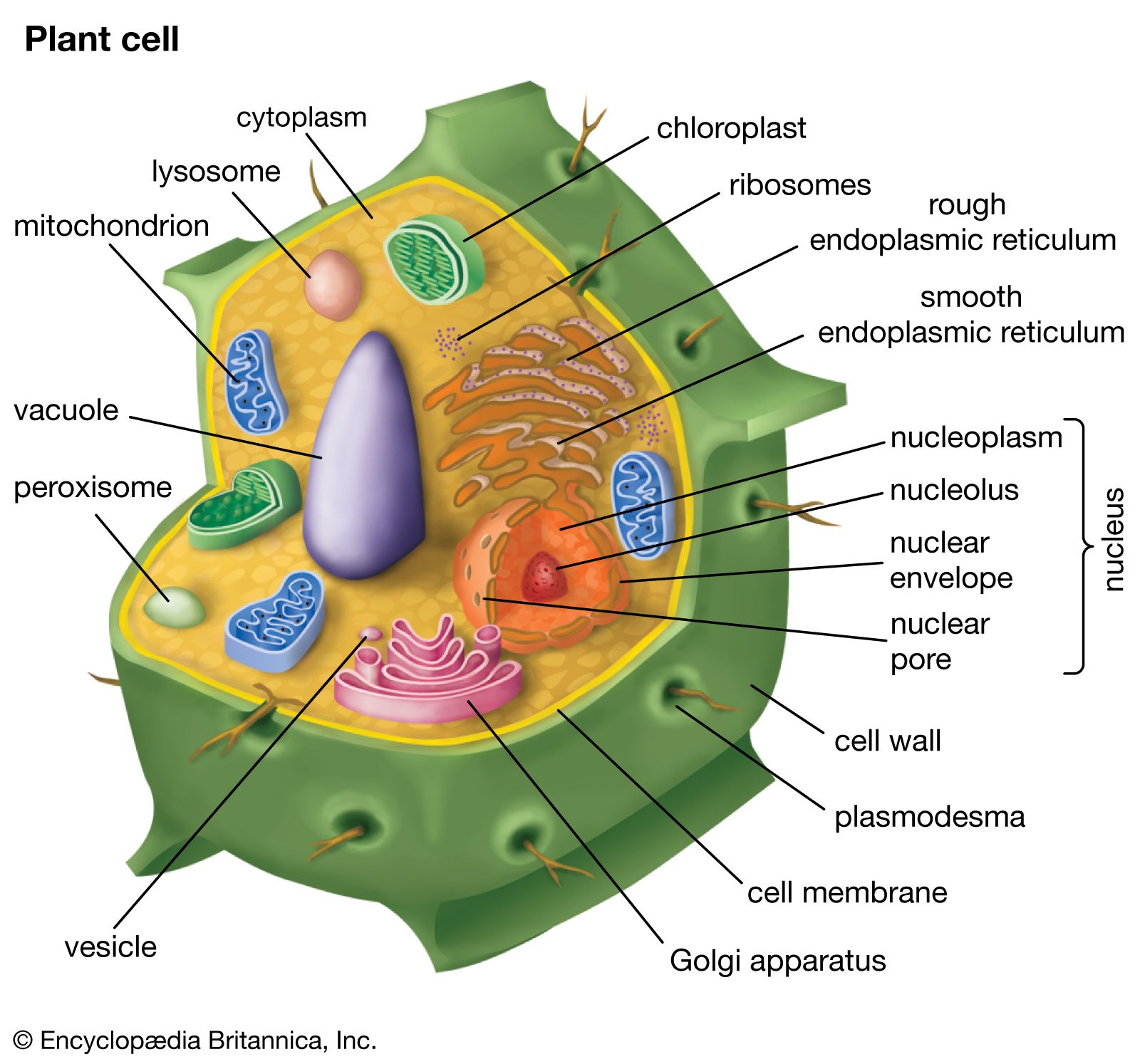
Key Takeaways
- Non-protoplasmic components are vital for maintaining cell structure and integrity across various organisms.
- These components encompass a diverse range of substances, including reserve materials, secretory products, and structural elements.
- They play critical roles in protection, energy storage, and regulation of the cellular environment, complementing the protoplasmic functions.
Introduction
Cells are the fundamental units of life, intricately designed with various components that ensure their survival, functionality, and adaptability. While the protoplasm, comprising the cytoplasm and nucleus, is widely recognized for its role in metabolic activities and genetic functions, the non-protoplasmic components, often overlooked, are equally essential. These non-living parts of the cell contribute to structural integrity, protection, and specialized functions that sustain the cell under diverse conditions. This analysis delves into the nature, classification, and multifaceted roles of non-protoplasmic components in both plant and animal cells.
Definition and Classification
What Are Non-Protoplasmic Components?
Non-protoplasmic components, also referred to as ergastic or paraplasmic substances, are non-living materials within the cell that are not directly involved in metabolic processes. Unlike the protoplasm, which is metabolically active, these components serve structural, protective, and storage functions. They can be organic or inorganic, and their presence is critical for the cell's overall functionality and stability.
Classification of Non-Protoplasmic Components
These components can be broadly categorized based on their functions and characteristics:
1. Structural Barriers and Protective Layers
- Cell Wall: A rigid structure found in plant cells, fungi, bacteria, and some protists, providing mechanical support and protection against environmental stresses.
- Extracellular Matrix (ECM): In multicellular eukaryotes, the ECM is a complex network of proteins and polysaccharides outside the cell membrane, facilitating intercellular communication and structural support.
2. External Coatings and Surface Modifications
- Capsules: Found in some bacteria, capsules enhance adherence to surfaces and protect against immune responses.
- Biofilms: Aggregates of microorganisms embedded in a self-produced polymeric matrix, enhancing resistance to environmental challenges.
3. Reserve Food Materials
- Carbohydrates: Such as starch, stored in plastids like amyloplasts in plant cells.
- Proteins: Including crystalline structures like aleurone grains in plants.
- Lipids: Fats and oils serve as energy reserves in both plant and animal cells.
4. Secretory Products
- Pigments: Provide coloration and protect against excessive sunlight.
- Enzymes: Involved in various metabolic processes within the cell.
- Nectar, Chlorophyll: Serve roles in plant metabolism and interactions with the environment.
5. Excretory Products
- Tannins, Gums, Resins: Metabolic by-products aiding in defense and structural integrity.
- Mineral Crystals: Such as calcium oxalate crystals deterring herbivores.
6. Other Ergastic Substances
-
Essential Oils, Mucilage: Contribute to defense mechanisms and structural roles in plant cells.
-
Latex, Alkaloids: Metabolic by-products with various protective and functional roles.
Functions of Non-Protoplasmic Components
Structural Support and Integrity
Non-protoplasmic components like the cell wall and exoskeletons provide essential structural support to cells and organisms. They maintain specific shapes, resist osmotic pressures, and protect against mechanical stresses. In plant cells, the cellulose-based cell wall is pivotal in maintaining rigidity and facilitating growth by controlling cell expansion.
Protection Mechanisms
Protective roles are paramount for the survival of cells under various environmental conditions. Capsules and the extracellular matrix (ECM) act as barriers against pathogens, physical damage, and environmental fluctuations such as pH and temperature changes. In bacteria, the capsule enhances resistance to desiccation and predation, while the ECM in multicellular organisms facilitates communication and defense mechanisms.
Storage of Nutrients and Energy
Reserve food materials like starch, proteins, and lipids are stored within cells for future use. Starch serves as a primary carbohydrate reserve in plant cells, providing energy during periods of scarcity. Lipids, stored as fats and oils, offer a concentrated energy source that can be mobilized when needed. Proteins stored as crystalline structures can be utilized for various metabolic functions.
Defense Mechanisms
Non-protoplasmic components such as tannins and calcium oxalate crystals play critical roles in defense against herbivores and pathogens. Tannins possess antimicrobial properties, deterring bacterial and fungal infections, while calcium oxalate crystals physically deter herbivores by causing irritation or indigestibility.
Regulation of Cellular Environment
The cell wall and other non-protoplasmic components act as selective barriers, regulating the movement of nutrients, ions, and waste products. This regulation is vital for maintaining cellular homeostasis and ensuring that metabolic processes proceed efficiently. By controlling the internal environment, these components support the protoplasm's metabolic activities.
Mediation of Cell Signaling and Interaction
Components like the extracellular matrix contain signaling molecules and adhesion proteins that facilitate communication between cells. This interaction is essential for tissue formation, development, and response to external stimuli. The ECM not only provides structural support but also influences cellular behavior through mechanical and chemical signals.
Interrelationship with Protoplasmic Components
The synergy between protoplasmic and non-protoplasmic components is fundamental to cellular function and organismal health. For instance, during plant cell division, the formation of a new cell wall (a non-protoplasmic component) is orchestrated by the protoplasm through precise biochemical processes. Similarly, the secretion of extracellular matrix components by cells influences cellular behavior, demonstrating a dynamic interplay that ensures structural integrity and functional harmony.
Comparative Analysis of Non-Protoplasmic Components in Plant and Animal Cells
| Feature | Plant Cells | Animal Cells |
|---|---|---|
| Cell Wall | Composed of cellulose, providing rigidity and support. | Absent; support provided by the cytoskeleton and ECM. |
| Vacuoles | Large central vacuole for storage and maintaining turgor pressure. | Small, multiple vacuoles primarily for storage and transport. |
| Extracellular Matrix (ECM) | Less prominent, mainly involved in rugged structural support. | Highly developed ECM facilitating cell signaling and tissue formation. |
| Reserve Materials | Starch, proteins, lipids stored in plastids and vacuoles. | Glycogen, lipids stored in various organelles. |
| Defensive Compounds | Tannins, resins, calcium oxalate crystals. | Less prominent, with some exceptions like fat droplets. |
Detailed Examination of Non-Protoplasmic Components
Reserve Food Materials
Reserve food materials are crucial for energy storage and metabolic needs, especially during periods of scarcity. They include:
Carbohydrates
Starch is the primary carbohydrate reserve in plant cells, stored within plastids such as amyloplasts. In animal cells, glycogen serves a similar purpose, stored in liver and muscle tissues.
Proteins
Proteins stored as crystalline structures, like aleurone grains in plants, can be mobilized for growth and development. These proteins can also function as enzymes when released.
Lipids
Lipids, including fats and oils, are stored in both plant and animal cells. In plants, oils are stored in seeds, providing energy for germination. In animals, lipids are stored in adipose tissues, serving as long-term energy reserves.
Secretory Products
Secretory products perform various roles, from pigmentation to metabolic processes:
Pigments
Pigments like chlorophyll in plant cells not only provide color but also play a role in photosynthesis by capturing light energy.
Enzymes
Enzymes are secreted to facilitate biochemical reactions, both within the cell and in the extracellular environment, contributing to processes like digestion and defense.
Excretory Products
Excretory products help in waste removal and defense:
Tannins, Gums, and Resins
These substances act as deterrents against herbivores and pathogens. Tannins have antimicrobial properties, while gums and resins provide structural support and protection.
Mineral Crystals
Calcium oxalate crystals, for example, help in deterring herbivores by making plant tissues less palatable and harder to digest.
Structural Components
Structural components ensure the physical integrity and shape of cells:
Cell Wall
The cellulose-based cell wall in plant cells provides rigidity and protection, enabling plants to stand upright and grow towards light sources.
Calcium Oxalate Crystals
These crystals not only deter herbivores but also play a role in regulating calcium levels within the cell.
Silica Bodies
In some plants, silica bodies contribute to structural stability and defense by making cells harder and less susceptible to damage.
Role in Cellular Function and Organismal Health
Maintaining Cellular Architecture
Non-protoplasmic components are integral to maintaining the shape and structure of cells. The cell wall in plants and the extracellular matrix in animal cells provide the necessary support to withstand internal and external pressures, ensuring cellular stability and integrity.
Facilitating Metabolic Processes
While non-protoplasmic components are not directly involved in metabolism, they support metabolic activities by regulating the cellular environment. For example, vacuoles store ions and metabolites that can be released when needed, thereby influencing metabolic pathways indirectly.
Enhancing Cellular Communication and Interaction
The extracellular matrix plays a crucial role in cell signaling and interaction, enabling cells to communicate and coordinate activities. This is essential for tissue formation, wound healing, and responses to environmental stimuli, highlighting the collaborative function of protoplasmic and non-protoplasmic components.
Conclusion
Non-protoplasmic components, though non-living, are indispensable for the proper functioning and survival of cells. Their roles extend beyond mere structural support to encompass protection, energy storage, and regulation of the cellular environment. By complementing the protoplasmic activities, these components ensure cellular integrity, facilitate metabolic processes, and enable effective communication and interaction within multicellular organisms. Understanding the intricate interplay between protoplasmic and non-protoplasmic components provides deeper insights into cellular biology and the mechanisms that sustain life across diverse biological systems.
References
Last updated February 14, 2025