
Scientific Approach in "Role for Nongenomic Estrogen Signaling in Male Fertility"
Exploring Advanced Methodologies to Uncover Rapid Estrogen Actions in Male Reproduction
Key Takeaways
- Integrated Use of Genetically Modified Mouse Models: Researchers employed specific transgenic models, including H2NES and Esr1 knockout mice, to successfully isolate the contributions of membrane-localized estrogen receptor 1 (mESR1) versus nuclear estrogen receptor 1 (nESR1).
- Combination of Histological, Molecular, and Functional Assessments: A multifaceted approach was adopted, melding breeding trials, detailed tissue analyses, and molecular studies, which permitted a profound evaluation of rapid (nongenomic) versus delayed (genomic) signaling pathways.
- Focus on Immediate Signaling Events: Emphasis was placed on initial phosphorylation events and rapid activation of kinases, underlining the distinct mechanisms whereby nongenomic estrogen signaling influences the structure and function of the male reproductive tract.
Introduction
The study "Role for Nongenomic Estrogen Signaling in Male Fertility" investigates the intricacies of estrogen action on male reproductive health, challenging traditional paradigms that confined steroid hormone functions to genomic, transcription-mediated effects. The scientific approach in this study is comprehensive, employing an assembly of innovative techniques and animal models to delineate the rapid, nongenomic actions of estrogen and their physiological significance. This investigation makes a robust case for the intricate interplay between membrane-localized estrogen receptor 1 (mESR1) and its nuclear counterpart (nESR1), bringing to light new perspectives on hormone signaling and fertility.
Estrogens, typically revered for their role in female reproductive biology, have now been recognized as key modulators in male fertility. They orchestrate a variety of cellular processes via both traditional genomic actions and rapid nongenomic signaling cascades, which do not primarily involve direct changes in gene expression. The study meticulously segregates these two pathways by leveraging specific animal models and advanced molecular assays, thereby illuminating the unique contribution of each pathway to the overall reproductive function.
Detailed Analysis of the Scientific Approach
1. Experimental Models and Genetic Manipulation
A cornerstone of the study’s methodology is the use of genetically modified mouse models that are designed to isolate and analyze the effects of estrogen signaling in a targeted manner.
Transgenic Mouse Models
The researchers primarily utilized two critical mouse models:
- Esr1 Knockout (Esr1KO) Mice: These mice lack functional estrogen receptor 1, which renders them infertile and results in significant abnormalities in the reproductive tract. The Esr1 knockout model underscores the essential role of ESR1 in maintaining normal male fertility.
- H2NES Mice: These mice are engineered to express only the membrane-localized form of ESR1 (mESR1), lacking the nuclear estrogen receptor (nESR1). The unique design of these mice allows researchers to specifically assess the capacity of nongenomic signaling to sustain male fertility. Notably, while H2NES males display reduced reproductive parameters such as litter size and certain sperm features, they remain fertile, thereby suggesting that mESR1 critically contributes to the process.
Comparative Analysis among Models
To clearly delineate the roles of each signaling route, the study compares the reproductive outcomes and histological features of these models against wild-type controls. By comparing:
| Model | Receptor Expression | Fertility Outcome | Reproductive Tract Abnormalities |
|---|---|---|---|
| Wild-Type | Both mESR1 and nESR1 | Fertile | Normal |
| Esr1KO | Neither mESR1 nor nESR1 | Infertile | Severe abnormalities in testis, rete testis, and efferent ductules |
| H2NES | Only mESR1 | Fertile, though with reduced litter size and altered sperm parameters | Mild to moderate abnormalities compared to Esr1KO |
This table succinctly encapsulates the experimental design and provides a visual overview of how the absence or presence of different receptor forms correlates with functional outcomes in male fertility.
2. Methodologies for Studying Rapid (Nongenomic) Signaling
In Vitro Experiments
In addition to the transgenic mouse models, in vitro systems played an instrumental role in the study. Primary cells extracted from the male reproductive tract were cultured and exposed to estrogen to observe rapid cellular responses. Key methodologies included:
- Time-Course Studies: Researchers performed time-resolved assays to track the immediate phosphorylation of proteins, which is a hallmark of rapid signaling events. These experiments were designed to capture cellular events occurring within minutes of estrogen exposure, thereby effectively differentiating nongenomic actions from the slower genomic responses.
- Kinase Activation Assays: By monitoring the activation (phosphorylation) of critical kinases—such as components of the MAPK and PI3K/Akt pathways—the study provided molecular evidence that nongenomic estrogen signaling triggers a cascade of rapid intracellular effects. Such kinase assays are pivotal as they lend insight into the signaling networks that support structural and functional integrity in reproductive tissues.
In Vivo Fertility and Functional Assays
Complementing the in vitro studies were detailed breeding trials and functional assays conducted in vivo. These experiments involved mating trials designed to assess:
- Sperm Motility and Viability: Assessments of sperm function, including motility analysis and morphology examination, were crucial in determining the physiological consequences of disrupted estrogen signaling. These tests directly correlate cellular signaling events with the ability of sperm to fertilize an egg.
- Litter Size and Breeding Efficiency: By scrutinizing the number of pups produced and overall breeding success, the researchers were able to infer the broader reproductive competence of the mice. It was found that while H2NES males maintained fertility, their performance was not entirely equivalent to that of wild-type males, indicating nuanced regulatory roles of membrane versus nuclear signaling.
3. Histological, Molecular, and Imaging Techniques
Tissue Histology
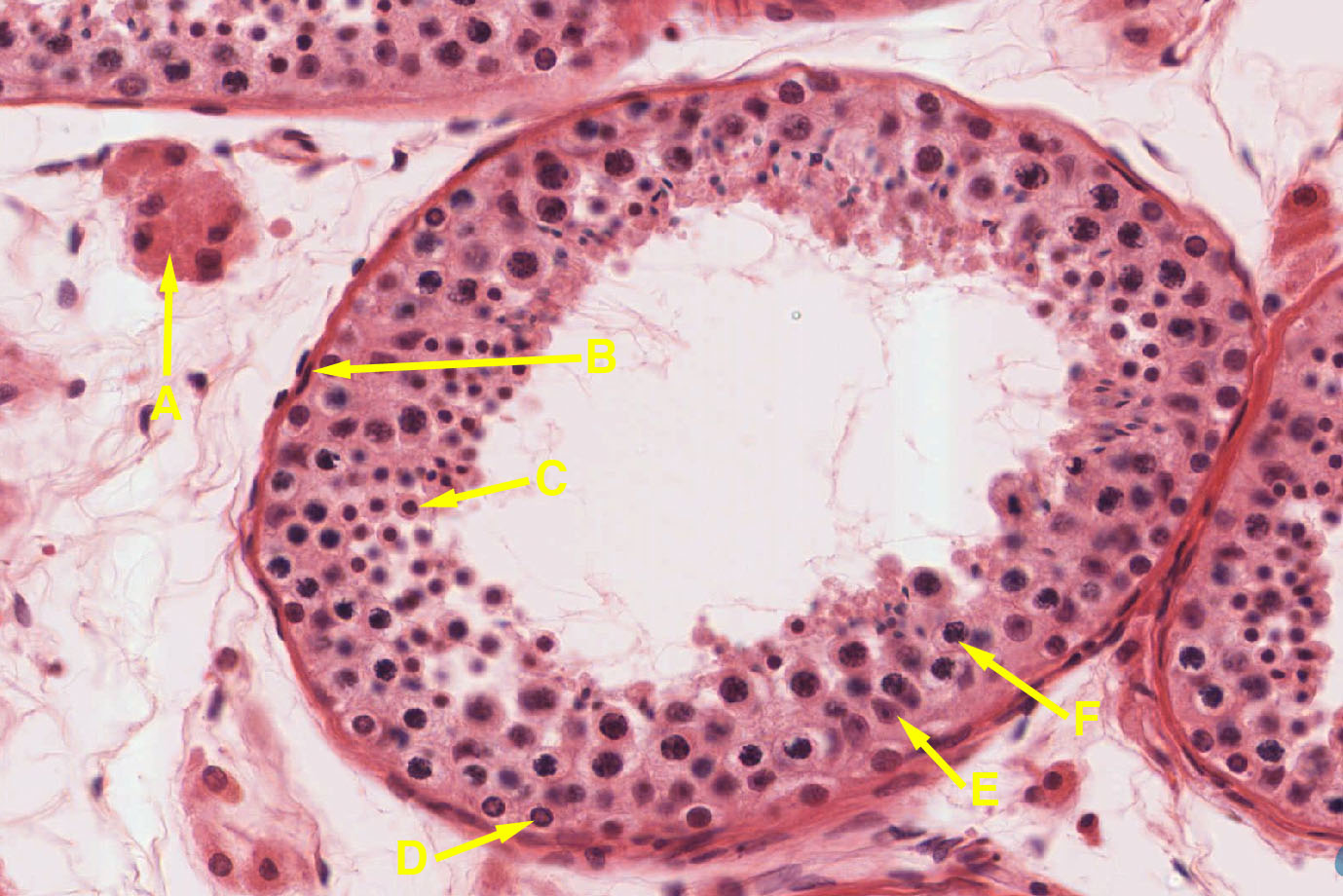
Detailed histological examinations were performed on the testes, rete testis, and efferent ductules. Through these assessments, notable differences were observed between the various mouse models:
- Structural Abnormalities: The Esr1KO mice exhibited significant structural disruptions, including dilation of seminiferous tubules and morphological changes in the epithelial cells of the efferent ductules. In contrast, H2NES mice demonstrated fewer and less severe histopathological changes, indicating that the nongenomic signaling mediated by mESR1 preserves some structural integrity.
- Gene Expression Restoration: Molecular analyses revealed partial restoration of gene expression related to fluid transport and ion movement in H2NES mice. Proteins such as Aqp1, Car2, and others integral to maintaining the fluid dynamics of the reproductive tract were analyzed using techniques like quantitative PCR and protein assays. These markers are directly associated with optimal reproductive tract function.
Advanced Imaging Techniques
The study also employed imaging methods, including immunolocalization, to precisely track the distribution of estrogen receptors. Key observations include:
- Receptor Localization: Imaging techniques confirmed the distinct localization of mESR1 to the cell membrane in H2NES mice, whereas wild-type cells exhibited both membrane and nuclear receptor distribution. This spatial distinction plays a critical role in differentiating the immediate signaling potential of mESR1 from the prolonged genomic effects mediated by nESR1.
- Live-cell Imaging: In some experimental setups, live-cell imaging allowed researchers to monitor real-time cellular responses to estrogen. This technique provided dynamic insights into receptor trafficking and the rapid activation of downstream signaling molecules, thereby linking cellular events to functional outcomes.
4. Pharmacological and Molecular Interventions
Utilization of Selective Agonists and Antagonists
A variety of selective pharmacological agents were employed to precisely manipulate estrogen signaling pathways. This approach allowed for the dissection of nongenomic versus genomic effects:
- Selective Agonists: Agonists specific to membrane-associated receptors activated the nongenomic pathways, allowing researchers to observe rapid signaling responses without the confounding effects of nuclear receptor activation.
- Antagonists and Inhibitors: Inhibitors were used to block either the receptor function or associated downstream signaling molecules. The resultant impact on signaling kinetics and fertility outcomes further solidified the role of nongenomic pathways in maintaining reproductive function.
Molecular Markers of Signal Activation
To track the activation of signaling pathways, the study measured the phosphorylation status of various kinases. This biochemical evidence is crucial for identifying the transient events that are characteristic of nongenomic estrogen actions:
- Phosphoprotein Analysis: Techniques such as Western blotting quantified the level of phosphorylated proteins, indicating the activation of pathways like MAPK and PI3K/Akt. These early changes serve as molecular signatures of the rapid, nongenomic response to estrogen.
- Temporal Resolution: The temporal aspect of these signaling events was captured through the use of time-course studies, reinforcing the notion that nongenomic signaling operates on a timescale much faster than genomic transcriptional regulation.
5. Integration of Multidisciplinary Techniques
One of the most commendable aspects of the study is its integration of diverse methodologies to examine the multifaceted roles of estrogen receptors in male fertility. Instead of relying on a single experimental approach, the research design harmonized in vitro cellular assays, in vivo breeding experiments, histological examinations, and molecular analyses. This multidisciplinary strategy not only enhanced the reliability of the findings but also provided a clear narrative linking cellular signaling mechanisms to tangible reproductive outcomes.
The convergent use of various techniques enabled a comprehensive understanding of how rapid signaling—mediated by membrane-associated receptors—can compensate (at least partially) for the absence of genomic signaling pathways. By drawing correlations between the molecular events (such as kinase activation) and the functional parameters (such as sperm motility and litter size), the study offers an integrated framework for understanding estrogen receptor function in a physiological context.
Implications and Broader Significance
The implications of this research extend well beyond a mere academic understanding of estrogen signaling. The detailed interrogation of nongenomic pathways provides a blueprint for new therapeutic strategies targeting male infertility—a condition that may arise when conventional genomic paradigms of hormone signaling are compromised.
The revelation that membrane-localized estrogen receptor 1 supports significant aspects of male reproductive function suggests that therapies aimed at enhancing nongenomic signaling might be beneficial in clinical scenarios where infertility is linked to estrogen signaling defects. Additionally, the differential diagnosis between genomic and nongenomic signaling mechanisms opens avenues for more targeted interventions, potentially leading to the development of selective modulators that can fine-tune reproductive functions without eliciting broad systemic effects.
On a fundamental level, the study challenges long-held notions about the exclusivity of nuclear receptor-mediated actions in the realm of steroid hormones. By establishing that rapid signaling events play crucial roles in maintaining the integrity and functionality of the male reproductive tract, the research underscores the necessity to consider both genomic and nongenomic pathways in future investigations of endocrine function.
Furthermore, insights gained from the study might prove beneficial in a broader biological context. The mechanisms of rapid cell signaling have wide-ranging implications in areas such as cell migration, metabolism, and even cancer biology. Understanding the dynamics of short-term signaling events could catalyze research into other systems where similar rapid responses govern key physiological processes.
Methodological Challenges and Future Directions
Challenges in Dissecting Dual Pathways
One of the inherent challenges in studying estrogen signaling lies in teasing apart the intertwined genomic and nongenomic pathways. Traditional approaches that rely solely on gene expression analysis would not capture the rapid, transient events that constitute nongenomic signaling. The multifaceted methodology employed in the study—using a combination of genetically modified models, time-course assays, and live-cell imaging—was crucial in overcoming this hurdle and ensuring that the rapid effects of estrogen could be practically isolated and analyzed.
Potential Future Studies
Expanding Genetic Models
Future research could benefit from developing even more refined genetic models to further isolate the complexities of estrogen receptor signaling. For instance, models that allow temporal control over receptor expression—such as inducible knockouts—would offer valuable insights into the timing and sequence of the signaling events triggered by estrogen.
Enhanced Imaging and Real-Time Analysis
Advanced imaging techniques, including high-resolution live-cell microscopy, may be further utilized to monitor receptor trafficking and downstream signaling events in real-time with even greater precision. Such studies would help in mapping the spatiotemporal landscape of estrogen signaling, ensuring that subtle yet critical differences between genomic and nongenomic pathways are not overlooked.
Delineating Downstream Effectors
A deeper understanding of the downstream effectors in the nongenomic pathway, especially their interactions and feedback mechanisms, remains an important frontier. Future investigations might explore the full repertoire of kinases, ion channels, and other signaling molecules activated by mESR1. This could lead to more targeted pharmacological approaches that harness these rapid signaling mechanisms to bolster reproductive function.
Conclusion
The scientific approach taken in the study "Role for Nongenomic Estrogen Signaling in Male Fertility" is a stellar example of multidisciplinary research bridging molecular biology, genetics, and reproductive physiology. By leveraging specialized transgenic mouse models along with in vitro cellular assays, histological evaluations, and advanced imaging techniques, the investigation effectively segregated the contributions of nongenomic estrogen signaling from genomic pathways. This allowed for a nuanced understanding of how membrane-localized estrogen receptor 1 (mESR1) sustains male fertility even in the absence of nuclear receptor functions.
The integrated methodologies underscore the rapid, dynamic nature of nongenomic signaling and its significant role in preserving structural and functional aspects of the male reproductive tract. Consequently, these insights not only enhance our understanding of estrogen’s multifaceted roles but also open the door to potential therapeutic interventions for male infertility. As the field moves forward, future research built on these foundational techniques promises to further unravel the complexities of hormone signaling and its broad implications in both reproductive health and systemic biological functions.
References
- Role for Nongenomic Estrogen Signaling in Male Fertility - Oxford Academic
- Role for Non-Genomic Estrogen Signaling in Male Fertility - ResearchGate
- Role for Nongenomic Estrogen Signaling in Male Fertility - OUCI
More Insights
Last updated February 19, 2025