
Mastering the Art of Nonprofit Fundraising: A Comprehensive Guide to Securing Donations
Unlock the secrets to effective donation requests and build lasting donor relationships.
Key Highlights for Successful Donation Requests
- Strategic Communication: Tailor your message and method of approach to different donor segments, ensuring clarity, authenticity, and a compelling narrative that highlights impact.
- Relationship Building: Prioritize cultivating genuine connections with potential and existing donors through personalized outreach, timely acknowledgments, and consistent updates on your mission's progress.
- Diverse Avenues for Giving: Offer multiple convenient donation channels, from online platforms and text-to-give options to in-person meetings and corporate matching gift programs, maximizing accessibility for all supporters.
Requesting donations for a nonprofit organization is a multifaceted endeavor that blends strategic planning with authentic communication. It's not merely about asking for money, but about inviting individuals and entities to become partners in a meaningful cause. The most effective approach involves a combination of clear articulation of your mission, compelling storytelling, targeted outreach, and diligent donor stewardship. By understanding various donor types and leveraging appropriate channels, nonprofits can significantly enhance their fundraising success and foster long-term support.
Understanding the Core Principles of Effective Solicitation
Crafting a Compelling Narrative and Clear Ask
At the heart of any successful donation request is a clear, concise, and compelling message. Donors need to understand exactly why their support is vital and how their contribution will make a tangible difference. This means moving beyond generic statements about your 501(c)(3) status and instead focusing on the direct impact of their gift. Facts tell, but stories compel. Therefore, integrate narratives that highlight real results and connect emotionally with potential donors. For example, instead of saying, "We provide meals to the hungry," articulate, "Your donation of $50 will provide healthy meals for a child for an entire week, nourishing their body and supporting their ability to learn and thrive."
Articulating Your Mission with Clarity
Your organization's mission and goals must be crystal clear. Donors want to know what problem you're solving and how you're doing it. This clarity builds trust and confidence. Be specific about your programs and initiatives, demonstrating a well-thought-out plan for utilizing funds. It's crucial to connect every activity to your overarching mission, making it easy for donors to see the direct link between their generosity and the positive change you create.
The Power of Storytelling
Humans are wired for stories. A compelling story about your cause, featuring real individuals or situations affected by your work, can profoundly resonate with potential donors. These narratives should evoke empathy and illustrate the urgent need for support. Show, don't just tell, the impact of your nonprofit. Visuals and testimonials can further enhance the emotional connection, making the cause feel more personal and urgent.
Strategic Donor Targeting and Outreach Methods
Identifying and Engaging Diverse Donor Segments
Nonprofits should solicit donations from a wide range of sources, including individuals, companies, and foundations. Each donor type requires a tailored approach and specific communication strategies. Segmenting your audience is crucial for effective outreach, as it allows you to personalize your appeals and maximize their impact. Whether it's a first-time donor, a loyal supporter, a large corporation, or a family foundation, the way you approach them should reflect their unique relationship with your organization and their potential to give.
Engaging Individual Donors
Individual donors often respond best to personalized, authentic appeals. This can be done through various channels:
- Direct Mail: Still a proven tactic, direct mail allows for a tactile experience and can include pre-addressed envelopes or QR codes for easy donation.
- Email Campaigns: Cost-effective and versatile, email is an essential tool for digital marketing and fundraising. Personalize emails, use compelling subject lines, and include clear calls to action with links to your donation page.
- Social Media: Platforms like Facebook and Instagram can be used for dedicated fundraising pages, donation buttons, stories, and live broadcasts to connect with a broad audience.
- Text-to-Give: An increasingly popular and convenient method, allowing donors to give simply by texting a keyword.
- In-Person Meetings: Especially effective for major donors and businesses, these allow for a direct conversation and a deeper explanation of how funds will be used.
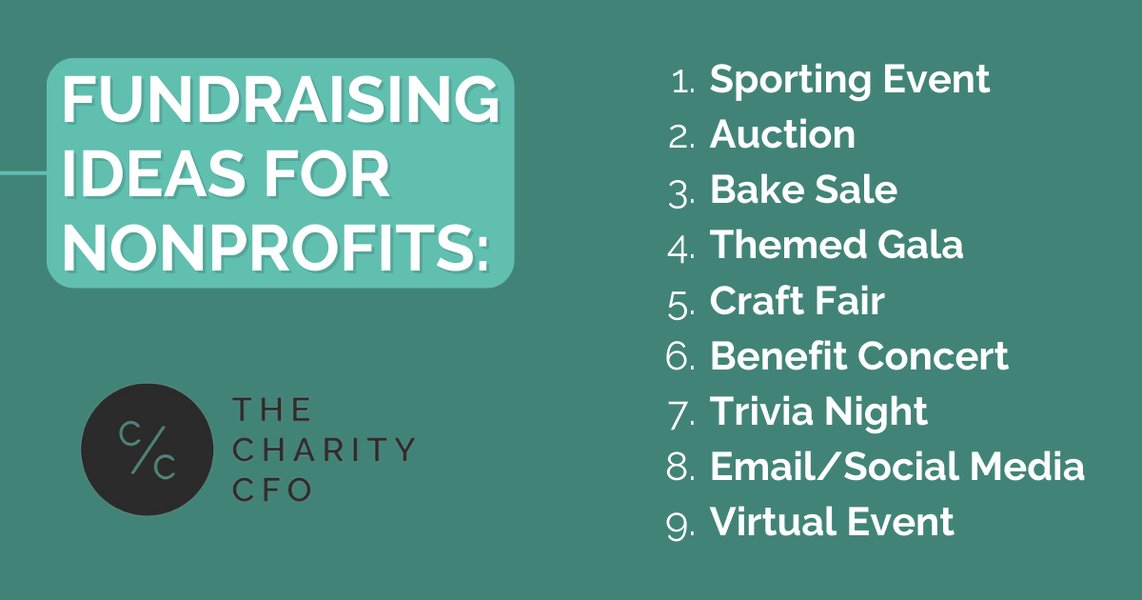
Visual representation of various fundraising approaches for nonprofits.
Approaching Corporate Donors and Foundations
Businesses and foundations often have specific philanthropic priorities and application processes. Research is key here to ensure alignment between their mission and yours. Corporate support can come in various forms:
- Corporate Grants: Lump sums of money typically issued for specific projects or programs.
- Matching Gift Programs: Many companies match employee donations to eligible nonprofits, often doubling the impact of an individual's gift. Encouraging donors to check for eligibility and providing easy access to forms can significantly increase contributions.
- In-Kind Donations: Contributions of goods or services instead of cash, such as products, equipment, or professional services.
- Sponsorships: Businesses may sponsor events or programs in exchange for recognition and branding opportunities.
Foundations, whether corporate or family-run, typically award grants to nonprofits whose missions align with their own. Applications usually involve detailed proposals and adherence to strict guidelines. Websites like GuideStar, Foundation Directory Online, or even specific corporate giving pages (e.g., Chick-fil-A's True Inspiration Awards, Adobe's Matching Grants program, Coca-Cola Foundation, American Honda Foundation, Intel Foundation, Costco, Bath & Body Works via Good360, The Container Store, Topgolf, MLB Athletics, San Diego Gulls, Chipotle) are excellent resources for identifying potential corporate and foundation partners.
Key Considerations for Corporate Outreach
When approaching corporations, it's vital to:
- Prepare a professional donation request package, including a cover letter, details of your needs, and recognition opportunities.
- Identify the right contact person, such as a Corporate Social Responsibility (CSR) manager or community outreach coordinator.
- Clearly articulate the mutual benefits of the partnership – how supporting your cause aligns with their corporate values and goals.
Optimizing Your Donation Request Wording
The Art of Persuasive Language
The words you choose have a profound impact on the outcome of your donation request. The goal is to balance warmth and professionalism, making donors feel invested and trusted. Avoid jargon and be direct in your ask.
Using Personal and Impactful Language
- "You" Language: Shift the focus from "we" (the nonprofit) to "you" (the donor). Instead of "We end childhood hunger," try "You can end childhood hunger." This creates a direct, personal conversation and empowers the donor as the hero of the story.
- Specificity: Be precise about what you need and how the donation will be used. "Your $25 gift will provide a warm blanket and a hot meal for a homeless person tonight" is more impactful than "Please donate to our cause."
- Sense of Urgency: While not always applicable, conveying a sense of urgency can motivate immediate action, especially for time-sensitive campaigns or critical needs.
- Authenticity and Gratitude: Ground your request in your nonprofit's unique story. Always express genuine gratitude, even if someone hasn't donated yet, for simply considering your request. This builds rapport and encourages future engagement.
Essential Components of a Donation Request Letter
Structuring for Maximum Impact
A well-structured donation request letter, whether physical or digital, is a cornerstone of effective fundraising. It serves as a formal communication, outlining your needs and the impact of a donation. Here are the key elements:
- Official Letterhead: Use your organization’s official letterhead with contact information.
- Personalized Salutation: Address the donor by name whenever possible.
- Warm Opening: Introduce your organization and briefly state the purpose of the letter.
- Compelling Story/Problem: Present the need or problem your organization addresses with an emotionally appealing story.
- Your Solution and Impact: Explain how your organization tackles the problem and what specific results have been achieved.
- The Ask (Call to Action): Clearly state what you are asking for (e.g., a specific amount or type of donation) and how it will directly benefit your mission. Include clear instructions on how to donate.
- Donor Benefit/Vision: Articulate how the donor's contribution aligns with their values and contributes to a larger vision.
- Expression of Thanks: Thank the donor for their time, consideration, and potential support.
- Contact Information: Provide clear contact details for questions.
- P.S. (Postscript): Often the most read part of a letter, use it to reiterate a key message or call to action.
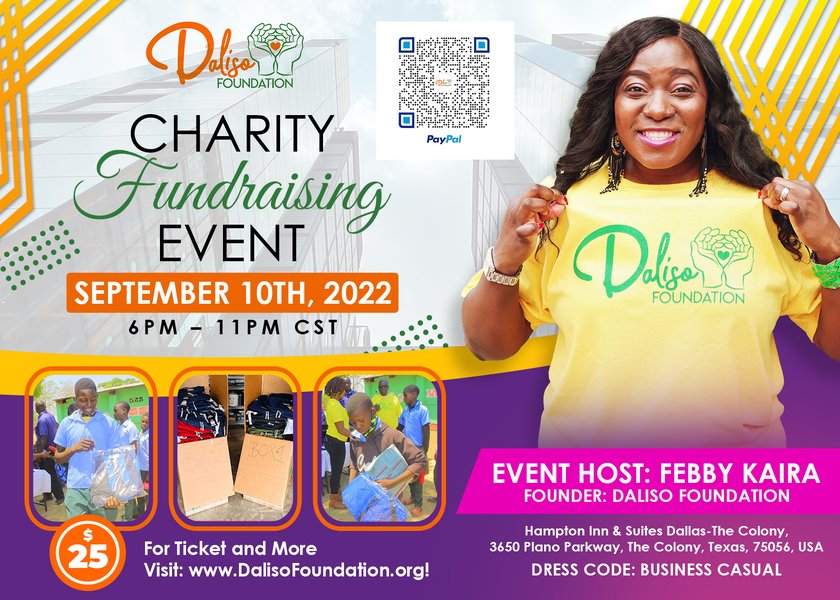
Example of a charity event flyer, often used in conjunction with donation requests.
The Crucial Role of Donor Acknowledgment and Stewardship
Cultivating Lasting Relationships
Securing a donation is only the first step; retaining donors and fostering long-term relationships is equally, if not more, important. Prompt and thoughtful acknowledgment, coupled with consistent updates, builds trust and encourages repeat giving. According to donor experience research, timely thank-you messages are a top reason supporters continue to give.
Crafting Effective Thank-You Letters
A donation acknowledgment letter serves multiple purposes: it communicates appreciation, provides necessary tax information, and builds rapport. Key elements include:
- Confirmation of donation receipt.
- Statement of the nonprofit's 501(c)(3) tax-exempt status.
- Amount of cash donated or a description of property (nonprofits should not value property).
- A statement regarding goods or services received in return (if any). For gifts of $250 or more, IRS requires specific information.
Beyond the legal requirements, personalize the acknowledgment, reiterate the impact of their gift, and express genuine gratitude. This reinforces the donor's decision and makes them feel valued.
Ongoing Donor Engagement
Maintain consistent communication beyond the initial thank-you. Share updates on your work, milestones achieved, and how their donations are making a difference. Offer other ways for them to get involved, such as volunteering or attending events. Building comprehensive donor profiles that detail giving history and communication preferences can help tailor future interactions and strengthen relationships.
Performance Metrics and Continuous Improvement
Analyzing and Adapting Fundraising Strategies
To optimize your fundraising efforts, it's essential to track performance metrics and continuously adapt your strategies. For digital outreach, monitor open rates, click-through rates, and conversion rates. For direct mail, track response rates. This data provides valuable insights into what resonates with your audience and what needs improvement.
Here's a radar chart illustrating key performance indicators (KPIs) for effective nonprofit fundraising strategies. This chart provides an opinionated analysis of how well different approaches typically perform across various critical aspects of fundraising, helping organizations identify areas of strength and opportunities for improvement.
This radar chart visually compares different fundraising strategies across seven key performance indicators: Personalization, Clarity of Ask, Storytelling Impact, Call to Action Strength, Donor Retention Potential, Reach & Scalability, and Cost-Effectiveness. For instance, while an "In-Person Major Donor Ask" excels in personalization and donor retention, its reach and cost-effectiveness are limited. Conversely, a "Social Media Appeal" offers high reach and cost-effectiveness but might score lower on personalization and donor retention. Organizations can use this kind of analysis to diversify their fundraising portfolio and leverage the strengths of each approach.
Comparative Overview of Donation Request Channels
Weighing the Pros and Cons of Various Methods
Choosing the right channel for your donation request is as important as the message itself. Different channels offer varying levels of reach, personalization, and cost-effectiveness. Here's a comparative look at popular methods:
| Channel | Description | Pros | Cons | Best For |
|---|---|---|---|---|
| Donation Request Letters (Direct Mail) | Formal appeal sent via postal service. | Personalized, tactile, strong for relationship building, good for older demographics. | Higher cost (printing, postage), slower response time, less scalable than digital. | Major donors, loyal supporters, targeted campaigns, end-of-year appeals. |
| Email Campaigns | Digital appeals sent to a list of contacts. | Cost-effective, quick, easy to track metrics (open rates, clicks), high scalability. | Can be lost in spam, lower engagement if not personalized, prone to email fatigue. | Broad outreach, recurring donors, updates, event promotions, diverse donor base. |
| Social Media Appeals | Leveraging platforms like Facebook, Instagram, Twitter for fundraising. | High reach, low cost, viral potential, easy sharing, engaging visual content. | Less personalized, can be noisy, lower conversion rates for direct donations. | Awareness campaigns, peer-to-peer fundraising, younger demographics, event promotion. |
| In-Person Meetings/Events | Direct interactions with potential donors, often at fundraising events or one-on-one. | Highly personalized, builds strong relationships, effective for major gifts, immediate feedback. | Time-consuming, limited scalability, requires significant preparation. | Major donors, corporate partners, high-net-worth individuals, large-scale campaigns. |
| Website Donation Forms | Integrated forms on your nonprofit's website. | Always accessible, easy for donors to give, allows for recurring donations, integrates with CRM. | Requires website traffic, can be overlooked if not prominent. | Any donor segment, primary digital giving portal, evergreen fundraising. |
| Text-to-Give | Donating via text message. | Convenient, quick, ideal for events and live appeals, appeals to mobile users. | Limited messaging space, often for smaller, impulse donations. | Event fundraising, quick appeals, mobile-first donors. |
Each channel has its strengths and weaknesses, making a diversified approach the most effective strategy. Combining methods, such as driving email recipients to your website's donation form or promoting text-to-give at an event, can create a cohesive and robust fundraising ecosystem.
Dive Deeper: Crafting Your Fundraising Appeal
Video Insights on Donation Letter Writing
Crafting the perfect donation letter or appeal is an art that can significantly boost your fundraising efforts. This video provides practical tips and templates to help nonprofits create compelling appeals that resonate with donors and inspire generosity. It covers essential components, storytelling techniques, and calls to action, ensuring your message stands out and effectively communicates your mission's urgency and impact.
This video is highly relevant as it offers actionable advice on writing effective donation letters, a core component of many fundraising strategies. It complements the written guidance by providing visual and auditory learning, reinforcing the importance of clarity, storytelling, and a strong call to action in all fundraising communications. Understanding these nuances can help your nonprofit create messages that not only inform but also deeply move potential supporters to contribute.
Frequently Asked Questions About Donation Requests
What is the best time of year to ask for donations?
Should I always ask for a specific donation amount?
How important is donor retention after the first donation?
Can I ask for in-kind donations instead of money?
Is it acceptable to follow up on a donation request?
Conclusion: A Holistic Approach to Fundraising
The best way to request a donation for a nonprofit group involves a holistic, donor-centric approach. It combines a compelling narrative, strategic targeting, persuasive language, and unwavering commitment to donor stewardship. By clearly communicating your mission and impact, personalizing your outreach, utilizing diverse channels, and diligently acknowledging every contribution, your nonprofit can build strong, lasting relationships with supporters. Remember, fundraising is not just about securing funds; it's about inviting individuals to join a movement and become champions for your cause, creating a cycle of generosity that sustains your mission for years to come.
Recommended Further Exploration
- How to write a compelling donation acknowledgment letter to retain donors?
- What are effective strategies for cultivating major donors for nonprofits?
- What are the best practices for nonprofit social media fundraising campaigns?
- How can nonprofits leverage corporate matching gift programs to increase donations?