
A Serene Epilogue in a Northern California Mountain Town Square
Analyzing the Poetic Confluence of Setting, Resolution, and Atmosphere
Key Insights from the Scene:
- Tranquility and Aftermath: The town square, despite scattered debris, achieves a state of serenity after a dramatic event.
- Visual Symbolism: The fading sunlight, warm color palette, and returning focus to the mountain backdrop emphasize a return to normalcy and the enduring power of nature.
- Anticipation and Resolution: While the immediate conflict concludes with the dispersal of the crowd and apprehension of the gang, the lingering sense of anticipation suggests the lasting impact of the events on the town.
The scene described, set in a Northern California mountain town square, offers a powerful and evocative conclusion. Through a combination of visual cues and atmospheric details, it conveys a sense of both immediate resolution and lingering consequence. The "wide shot fading to black" acts as a definitive punctuation mark, signaling the end of a particular narrative thread, while the imagery within the shot speaks volumes about the state of the town and its inhabitants.
The Setting: A Northern California Mountain Town Square
The Heart of the Community
Town squares historically serve as the central gathering places for communities. They are venues for celebration, commerce, and sometimes, conflict. In the context of a small mountain town, the square often takes on an even greater significance, acting as a microcosm of the town's identity and spirit. The presence of the town square in this final scene is crucial; it is where the events of the narrative likely reached their climax, and it is where the immediate aftermath is observed.
Northern California is home to numerous charming and picturesque mountain towns. These locations, nestled amidst stunning natural landscapes, often possess a unique character shaped by their environment and history. Towns like Mount Shasta, Nevada City, Truckee, and Julian are known for their blend of outdoor adventure, historic architecture, and a sense of community.
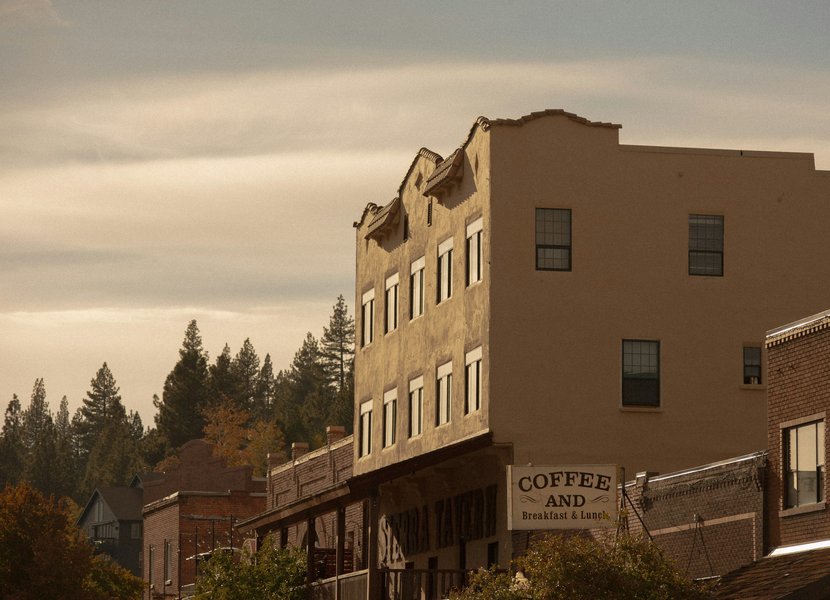
A serene town square, typical of many charming mountain towns.
The choice of a Northern California mountain town for this scene adds layers of meaning. The natural beauty of the mountains provides a stark contrast to the potential chaos that may have preceded this moment. The pines glowing in soft sunlight symbolize resilience and the enduring presence of nature, suggesting that while human drama unfolds, the natural world continues its serene existence.
The Square as a Stage
The scattered debris in the square hints at recent turmoil. This is the aftermath of an event, likely a confrontation or significant incident. The debris serves as a visual reminder of the disruption that has occurred. However, the description emphasizes the square's return to a "serene" state. This suggests that the immediate danger has passed, and a sense of calm is settling over the area.

Historic architecture often defines the character of mountain town squares.
The "dispersing crowd" indicates that the populace is moving on from the event. Their dispersal signifies a return to individual lives, away from the collective experience of the incident. The "handcuffed gang members" represent the tangible outcome of the conflict – justice, or at least apprehension, has been served. Their presence, even as they are being led away, is a final visual confirmation of the struggle that took place.
Visual Elements and Their Significance
The Power of the Wide Shot
The use of a "wide shot" is a deliberate and effective directorial choice. A wide shot provides context and scale, allowing the viewer to take in the entire scene. In this instance, it emphasizes the town square as a whole, its relationship to the surrounding buildings, and crucially, its position within the larger landscape of the mountain backdrop. It minimizes the individual figures, placing the focus on the environment and the overall atmosphere.
The Fading Light and Warm Palette
The "fading to black" is a classic cinematic technique for signaling an ending. It's a gradual transition that allows the final image to linger in the viewer's mind before disappearing. The "soft sunlight" suggests either early morning or late afternoon, times of day often associated with tranquility and reflection. The "warm, dust fully settled" palette of "browns, greens" reinforces this sense of peace and natural beauty. Brown and green are earthy tones that connect the scene to the mountain environment. The settled dust further indicates that any recent commotion that kicked it up has ceased.

Settled dust implies a cessation of recent activity.
The Mountain Backdrop and Reclaiming Focus
The "mountain backdrop reclaiming focus" is a powerful visual metaphor. Throughout the conflict, the human drama likely took center stage, drawing the viewer's attention to the actions within the square. With the resolution of the conflict and the dispersal of the crowd, the enduring presence of the mountains reasserts itself. This suggests that while human events can be dramatic and disruptive, they are ultimately temporary in the face of the vast and timeless natural world. The mountains provide a sense of perspective and permanence.

Mountains often provide a dramatic and enduring backdrop to human settlements.
The Atmosphere: Tranquility and Anticipation
A Sense of Peace
The description explicitly states that the frame is "tranquil." This tranquility arises from the combination of the serene square, the soft lighting, the warm colors, and the re-emphasized mountain backdrop. It is a visual representation of peace returning after a period of unrest. This is the calm after the storm, a moment of respite.
Lingering Anticipation
However, the scene is not merely peaceful; it is also "charged with anticipation." This is a crucial element that prevents the ending from feeling completely resolved or overly saccharine. The anticipation could stem from several factors:
-
The Aftermath for the Town: While the immediate threat is removed, the town must now deal with the consequences of the events. How will the community heal? What will be the long-term impact on its inhabitants?
-
The Fate of the Gang Members: The handcuffed individuals suggest a legal process will follow. Their presence, even as they are led away, hints at the next stage of the narrative, even if it is not shown.
-
The Personal Journeys: For the characters involved in the conflict, their individual stories are likely not fully concluded. The anticipation could relate to their personal healing, their future in the town, or the emotional weight they carry.
-
The Enduring Nature of Conflict: In some narratives, even a specific conflict resolution leaves open the possibility of future challenges. The anticipation could be a subtle acknowledgment that life in a small town, like anywhere, can still hold unforeseen events.
The juxtaposition of tranquility and anticipation creates a complex and realistic ending. It acknowledges that while a particular crisis has passed, life is a continuous process, and the effects of significant events ripple outwards.
Connecting to Themes of Small-Town Life
Community and Resilience
Small towns are often depicted as places where community bonds are strong. The town square as a central location for both conflict and its aftermath highlights the collective experience of the residents. The return to serenity suggests the community's resilience in the face of adversity.

Small towns often feature close-knit communities centered around shared spaces.
Works like Thornton Wilder's "Our Town" explore the everyday lives and underlying universality of small-town existence. While this scene likely involves a more dramatic conflict than that portrayed in "Our Town," the focus on the town square and the community's reaction resonates with themes of shared experience and the passage of time within a defined locale. The minimal scenery and focus on the essential in "Our Town" can be compared to the wide shot in this scene, which directs attention to the core elements of the setting and atmosphere rather than excessive detail.
The Shadow of Events
Even with the immediate resolution, the "scattered debris" serves as a physical manifestation of the events that transpired. This echoes themes found in certain genres, such as small-town horror or crime dramas, where past events leave a lasting mark on the community. The "anticipation" in the scene can be interpreted as the town grappling with the lingering consequences and psychological impact of what occurred.
Analysis of the Provided Visuals in Context
The provided image URLs offer a glimpse into the visual potential of such a setting. Images depicting serene town squares, historic architecture, dusty roads, and mountain landscapes all align with the descriptive elements of the scene. For instance, images of tranquil squares or those showcasing the interplay of buildings and nature effectively capture the aesthetic described. An image of a dusty road could represent the aftermath of a chaotic event before the dust settles, contrasting with the final serene state.
Here is a table summarizing the relevance of the image themes to the scene description:
| Image Theme | Relevance to Scene Description |
|---|---|
| Serene Town Squares | Directly aligns with the described tranquility and setting of the scene. |
| Historic Architecture | Provides context for the buildings likely surrounding the town square in a Northern California mountain town. |
| Dusty Roads/Rural Settings | Can represent the state of the square before the dust settles, highlighting the transition to serenity. |
| Mountain Landscapes | Crucial for illustrating the "mountain backdrop reclaiming focus" and the natural setting. |
Potential Interpretations and Ambiguity
The scene's strength lies in its evocative nature and inherent ambiguity. While it signifies an end, the "anticipation" leaves room for interpretation. The audience is left to ponder the future of the town and its residents. This open-endedness can be more powerful than a completely closed resolution, allowing the viewer to project their own understanding onto the narrative's conclusion.
Consider the concept of "ending explained" often associated with films and books. For this scene, a definitive "ending explained" might detract from its artistic merit. The lingering questions and the blend of peace and anticipation are what make it memorable.
FAQ
What is the significance of the wide shot?
The wide shot emphasizes the scale of the town square within the larger natural landscape, shifting focus from individual drama to the environment and overall atmosphere.
How does the color palette contribute to the scene's mood?
The warm browns and greens, combined with soft sunlight, create a sense of tranquility, natural beauty, and a return to normalcy after a period of disruption.
What does the "anticipation" in the scene imply?
The anticipation suggests that while the immediate conflict is resolved, there are lingering consequences for the town and its inhabitants, leaving the audience to consider the future impact of the events.
Why is the mountain backdrop important?
The mountain backdrop reasserting focus symbolizes the enduring power and permanence of nature compared to temporary human events, providing a sense of perspective and peace.
How does this scene relate to themes of small-town life?
The scene highlights the town square as the heart of the community, illustrating themes of shared experience, resilience in the face of adversity, and the lasting impact of significant events on a close-knit population.
References

Last updated May 12, 2025