
Inside the 2025 Taipei Norovirus Outbreak: Causes and Chemical Hazards Analysis
Discover the intricate factors behind the norovirus outbreak, including food safety practices and potential chemical risk considerations.
Key Takeaways
- Primary Causative Agent: Norovirus, a highly contagious biological pathogen, was identified as the main cause of the outbreak, primarily spread via contaminated food and surfaces.
- Food Safety and Hygiene Issues: Inadequate food handling and hygiene practices at a buffet restaurant were critical factors that facilitated the rapid transmission of the virus.
- Chemical Hazards Context: Although norovirus is not a chemical hazard, mismanagement of cleaning agents and cross-contamination in food establishments could contribute indirectly to overall health risks.
Detailed Analysis of the Outbreak Causes
Norovirus as the Primary Cause
The 2025 outbreak of norovirus in Taipei was predominantly caused by the highly infectious viral agent known as norovirus. This pathogen is notorious for triggering gastrointestinal symptoms, including diarrhea, vomiting, nausea, and stomach cramps. The virus is spread mainly through the fecal-oral route, whereby transmission occurs due to:
- Consumption of contaminated food and water
- Contact with surfaces or objects that harbor the virus
- Direct person-to-person transmission, particularly in crowded settings
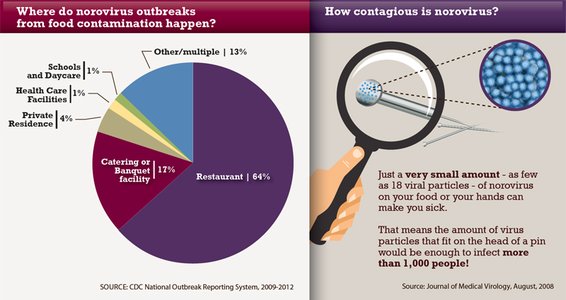
In this particular incident, the outbreak was reported to have first emerged at the INPARADISE buffet restaurant located in the Breeze Xinyi mall. Initial symptoms appeared among diners following exposure, and further epidemiological investigations confirmed that norovirus was responsible for nearly all confirmed cases. Laboratory testing revealed that an extremely high percentage—upwards of 98% in related gastrointestinal illness clusters—was due to this viral agent.
Role of Food Safety and Hygiene Practices
A critical factor facilitating the outbreak was the inadequate adherence to food safety protocols and proper hygiene practices within the food service environment. Several issues were identified:
Food Handler Practices
Investigations indicated that asymptomatic food handlers might have inadvertently contaminated the serving areas and food items. Given norovirus’s ability to spread quickly via contaminated hands and surfaces, failure to implement rigorous hand washing procedures and sanitization protocols had a direct impact on the propagation of the illness.
Environmental and Surface Contamination
In buffet-style dining, multiple individuals interact with shared food items and utensils. Contamination of surfaces such as serving trays, table utensils, and high-contact areas can escalate the spread of infectious pathogens. In the Taipei outbreak, the lack of comprehensive disinfection routines in the restaurant environment allowed the virus to endure on surfaces, thereby infecting a broader group of customers.
Cross-Contamination Risks
Cross-contamination also occurred between raw and cooked foods. Buffets that serve both types of food require particular attention to prevent pathogens from transferring from contaminated ingredients to ready-to-eat items. The mixing of raw and processed foods, compounded by insufficient food safety protocols, underpinned the spread of norovirus among diners.
Chemical Hazards in the Context of the Outbreak
General Understanding of Chemical Hazards
While norovirus is fundamentally a biological hazard rather than a chemical one, the broader realm of food safety necessitates an examination of chemical hazards that can occur in similar mass outbreak contexts. Chemical hazards in food can arise from:
- Improper use or storage of cleaning chemicals
- Residues from pesticides or disinfectants inadvertently contaminating food items
- Food additives or preservatives that exceed safety thresholds
Chemical Hazards Directly Associated with Norovirus Outbreak
It is important to note that there is no direct linkage between chemical exposure and the spread of norovirus. However, chemical hazards can indirectly contribute to health challenges in outbreak scenarios. For example:
- Cross-Contamination with Cleaning Agents: In a setting experiencing a biological outbreak, if cleaning agents are improperly diluted or stored, there is a risk that these chemicals may contaminate surfaces or food products. This adds an additional layer of risk to individuals already vulnerable due to the primary viral infection.
- Impact on Host Susceptibility: Exposure to certain chemical contaminants can weaken the gastrointestinal system, which might make an individual more susceptible to infections such as norovirus. However, during the Taipei incident, public health investigations primarily identified biological factors as the trigger.
Comparative Summary of Hazard Types
The causes behind the outbreak are distinctly categorized by comparing the roles of biological and chemical hazards. Although the primary outbreak was attributed to a biological agent, understanding the integrated safety framework in food establishments warrants awareness of potential chemical dangers that might exacerbate or complicate outbreak responses.
| Aspect | Biological Hazards | Chemical Hazards |
|---|---|---|
| Primary Agent | Norovirus | N/A (Incident not directly chemical) |
| Transmission Mode | Fecal-oral route, contaminated food/water, person-to-person | Potential cross-contamination if cleaning chemicals are mismanaged |
| Contributing Factors | Insufficient hand hygiene, improper food handling, environmental contamination | Accidental contamination with cleaning agents, misuse of preservatives |
| Impact on Outbreak Severity | High rate of gastrointestinal distress | Could exacerbate symptoms in vulnerable populations |
| Control Measures | Enhanced sanitation, strict food safety protocols, isolation of cases | Proper chemical handling, regulated use of cleaning agents, safety audits |
Risk Management and Prevention Strategies
Hygiene Protocols and Food Safety Regulations
One of the central lessons drawn from the outbreak is the critical role of stringent hygiene standards in preventing the spread of infectious agents. Key strategies include:
- Regular and Thorough Hand Washing: Food handlers and restaurant staff must maintain regular hand washing protocols using soap and water to eliminate potential contamination.
- Frequent Sanitization of Surfaces: High-touch areas in restaurants, including serving stations and utensils, require periodic disinfection with appropriate agents known to inactivate norovirus without leaving harmful chemical residues.
- Segregation of Food Preparation Processes: To minimize the risk of cross-contamination, clear boundaries should exist between raw food preparation and the handling of ready-to-eat products.
Chemical Hazard Management in Food Establishments
Although chemical hazards were not the primary cause of the Taipei outbreak, managing them is a pivotal part of comprehensive food safety management. Recommendations include:
- Proper Storage and Handling of Chemicals: Cleaning agents and pesticides should be stored in dedicated areas away from food handling zones to prevent accidental cross-contamination.
- Regular Training and Auditing: Staff should be trained on the correct usage of chemicals and regular audits must be conducted to ensure adherence to safety guidelines.
- Clear Labeling and Dilution Protocols: All chemicals must be clearly labeled with proper dilution and usage instructions to ensure they do not interfere with food safety practices.
Public Health Monitoring and Response
Authorities responded to the outbreak by intensifying public health measures and deploying rapid testing protocols. Routine monitoring of gastrointestinal illnesses during this period enabled health officials to quickly identify clusters of norovirus cases. In addition, effective communication with the public through safety advisories and guidelines helped mitigate further spread. These measures included temporary closures of affected establishments, thorough disinfection of all modifiable surfaces, and rigorous follow-up inspections.
Case Study Details: Taipei's 2025 Outbreak
Incident Overview
The norovirus outbreak at Taipei’s INPARADISE buffet restaurant in early 2025 serves as a compelling case study in the dynamics of foodborne illness. With a total of 77 reported cases and 9 confirmed infections, this outbreak illustrated how quickly norovirus can propagate in environments where large groups of people share food and utensil spaces. The incidence underscored multiple systemic lapses, ranging from individual hygiene practices to broader organizational issues in foodborne pathogen control.
Factors Specific to the Taipei Incident
Detailed investigations of this outbreak highlighted several contributing factors:
- High Foot Traffic and Dense Crowds: The buffet setting at Breeze Xinyi mall brought together many individuals in a confined space, facilitating the spread of the virus.
- Inadequate Food Handler Screening: Routine checks and preventative health measures might not have been adequately enforced, allowing asymptomatic, yet infectious, staff to handle food.
- Environmental Contamination: Inadequately sanitized surfaces offered a reservoir for norovirus to remain viable and infectious over prolonged periods.
Assessment of Chemical Considerations During the Outbreak
While norovirus itself did not introduce chemical toxicity, the handling of chemical substances in cleaning regimens warrants careful attention. In this instance, there were no direct reports linking misused chemical agents to the outbreak. Nonetheless, proactive measures to preclude inadvertent chemical contamination remain indispensable, particularly during an emergency response where multiple agents (both biological and chemical) are concurrently managed.
Additional Considerations for Future Outbreak Preparedness
Integrated Risk Management
The 2025 outbreak has underscored the need for integrated risk management that encompasses both biological and chemical safety in food service environments. Key aspects of an integrated approach include coordinated efforts between public health officials, restaurant management, and regulatory agencies to:
- Develop and enforce comprehensive food safety regulations that address both microbial risks and the potential for chemical contamination.
- Ensure that outbreak response plans incorporate training on the safe use of cleaning chemicals alongside protocols for rigorous biological decontamination.
- Utilize advanced monitoring systems to rapidly detect and isolate infection points and any inadvertent chemical mismanagement before conditions escalate.
Lessons Learned and Policy Implications
The incident has led to several lessons which should inform future policies:
- Enhancement of Food Safety Inspections: Regulatory bodies must intensify routine inspections and continuously update safety guidelines to cope with emerging risks.
- Adoption of Advanced Disinfection Techniques: Technologies that more effectively neutralize pathogens without introducing harmful chemical residues are an area of significant interest.
- Emphasis on Public Awareness Campaigns: Educating the public on both the biological aspects of outbreaks and the proper handling and storage of chemicals will foster a more resilient food safety culture.
References
- News on Taipei Outbreak - Taiwan News
- Focus Taiwan: Diarrhea Cases Spike - Focus Taiwan
- Detailed Norovirus Report - Taiwan News
- Norovirus and Food Safety - Food Safety News
-
Combined Factors in Outbreak - The Wandering Star
Recommended Further Insights
Last updated March 27, 2025