
Discovering the Finest Wineries in Northern Spain
Embark on a journey through the vineyards and cellars of Northern Spain, where tradition meets innovation in winemaking.
Highlights of Northern Spain's Best Wineries
- Rioja: Explore world-renowned wineries in Rioja, known for their exceptional red wines and stunning architecture.
- Galicia: Discover the crisp, refreshing white wines of Galicia, particularly Albariño, in this lush, green region.
- Ribera del Duero: Experience the robust red wines of Ribera del Duero, crafted from Tempranillo grapes in a region with a rich winemaking history.
Exploring the Wine Regions of Northern Spain
Northern Spain is a treasure trove for wine enthusiasts, offering a diverse range of wine regions, each with its unique character and charm. From the world-renowned Rioja to the lesser-known gems of Galicia and Ribera del Duero, there's something for every palate.
Rioja: A Land of Exceptional Red Wines
Rioja, perhaps the most famous wine region in Spain, is celebrated for its exceptional red wines. The region is divided into three sub-regions: Rioja Alta, Rioja Baja, and Rioja Alavesa. Rioja wines are primarily made from Tempranillo grapes, often blended with Garnacha, Mazuelo, and Graciano.

Vineyards in La Rioja
A visit to Rioja offers more than just wine tasting; it's an immersion into a culture steeped in tradition and passion. Many wineries offer tours that provide insights into the winemaking process, from grape to glass. Some wineries, like Marqués de Riscal, are architectural marvels, blending modern design with the natural landscape.
Galicia: The Realm of Crisp White Wines
In the northwest corner of Spain lies Galicia, a region known for its lush green landscapes and refreshing white wines. The most famous grape here is Albariño, which produces crisp, aromatic wines with notes of citrus, peach, and minerality. The maritime climate and granite soils contribute to the unique character of these wines.
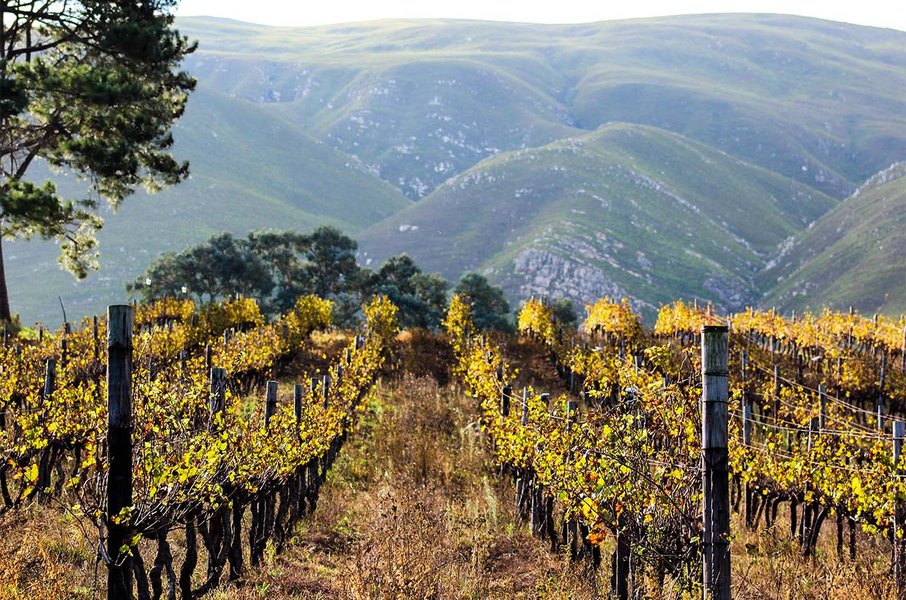
Vineyards in Northern Spain
Ribera del Duero: Home to Robust Reds
Ribera del Duero, located in the northern plateau of Spain, is another premier wine region known for its robust red wines. The region's high altitude, continental climate, and diverse soils create ideal conditions for growing Tempranillo grapes (known locally as Tinto Fino). Ribera del Duero wines are typically full-bodied with intense flavors of dark fruit, spice, and oak.
Recommended Wineries to Visit
Selecting the "best" wineries is subjective and depends on personal preferences. However, here are some highly recommended wineries in Northern Spain, each offering a unique experience:
Rioja Wineries
Bodegas Marqués de Riscal: A winery that combines architectural innovation with exceptional wines. Designed by Frank Gehry, the building is a masterpiece of modern architecture.

Bodegas Marqués de Riscal
López de Heredia Viña Tondonia: A traditional winery known for its classic Rioja wines and historic cellars.
Muga: A family-owned winery that uses traditional winemaking methods, including fermentation in oak vats.
Bodegas Lecea: One of the oldest wineries in Rioja, known for its underground cellars and traditional winemaking techniques.
CVNE (Compañía Vinícola del Norte de España): A historic winery with a range of wines to suit different tastes.
Galicia Wineries
Bodegas del Palacio de Fefiñanes: A historic winery in the Rías Baixas region, known for its Albariño wines.
Bodegas Fillaboa: A winery that combines modern technology with traditional winemaking practices to produce high-quality Albariño wines.
Ribera del Duero Wineries
Bodegas Protos: One of the oldest and most prestigious wineries in Ribera del Duero, known for its iconic castle-like building.
Vega Sicilia: A legendary winery that produces some of Spain's most expensive and sought-after wines.
Bodegas Arzuaga Navarro: A winery that combines winemaking with hospitality, offering a luxury hotel and spa.
Planning Your Wine Tour
When planning your wine tour in Northern Spain, consider the following:
-
Transportation: Renting a car is often the best way to explore the wine regions, as it allows you to visit wineries at your own pace. However, guided tours are also available and can be a convenient option, especially if you plan to sample a lot of wine.
-
Accommodation: Many wineries offer accommodation, ranging from boutique hotels to charming rural inns. Staying at a winery can enhance your experience and allow you to immerse yourself in the wine culture.
-
Tours and Tastings: Book tours and tastings in advance, especially during peak season. Many wineries offer different types of tours, from basic tastings to in-depth explorations of the winemaking process.
-
Food: Northern Spain is known for its exceptional cuisine. Be sure to sample the local specialties, such as seafood in Galicia and roast lamb in Rioja. Many wineries offer food pairings with their wines.
Table of Key Wine Regions and Grape Varieties
The following table summarizes the key wine regions in Northern Spain and their primary grape varieties:
| Wine Region | Primary Grape Varieties | Wine Style |
|---|---|---|
| Rioja | Tempranillo, Garnacha, Mazuelo, Graciano | Red (primarily), White, Rosé |
| Galicia | Albariño, Godello, Mencía | White (primarily), Red |
| Ribera del Duero | Tempranillo (Tinto Fino) | Red |
| Rueda | Verdejo, Sauvignon Blanc, Viura | White |
| Priorat (Catalonia) | Garnacha, Cariñena | Red |
A Glimpse into Rioja's Wine Culture
To truly appreciate the wines of Rioja, understanding its cultural context is essential. This video offers a peek into the winemaking traditions and landscape of this renowned region:
This video by Brent explores four incredible wineries in Rioja, Spain, showcasing the unique white Tempranillo and a winery awarded as the best. It gives viewers a sense of the region's dedication to quality and innovation in winemaking, alongside traditional practices that have been passed down through generations.
FAQ About Northern Spain Wineries
What is the best time of year to visit the wineries in Northern Spain?
The best time to visit is during the harvest season (September-October) when you can witness the grape harvesting process. However, the wineries are open year-round, and each season offers a unique experience.
Do I need to make reservations for wine tastings and tours?
Yes, it is highly recommended to make reservations in advance, especially during peak season. This ensures that you will have a spot and that the winery can accommodate your needs.
Are there any family-friendly wineries in Northern Spain?
Yes, many wineries welcome families and offer activities for children. Some wineries have playgrounds, offer grape juice tastings, or have tours that are designed to be engaging for all ages.
What is the drinking age in Spain?
The legal drinking age in Spain is 18. You may be asked to show identification to verify your age when purchasing or consuming alcohol.
What are some good souvenirs to buy from the wineries?
Besides wine, you can buy other local products such as olive oil, cheese, honey, and handicrafts. Many wineries have gift shops that sell these items.
References
Last updated April 16, 2025