
Unraveling the Mystery of Notalgia Paresthetica: Effective Treatments for Chronic Back Itch
Explore a comprehensive guide to managing the persistent itching and discomfort of notalgia paresthetica, a chronic neuropathic condition.
Key Insights into Notalgia Paresthetica Treatment
- Multifaceted Approach is Key: Effective management of notalgia paresthetica (NP) typically involves a combination of topical, oral, physical, and procedural therapies tailored to the individual's symptoms and underlying causes, as no single cure exists.
- Gabapentin and Capsaicin Lead the Way: Gabapentin is widely recognized as the most common and effective oral medication for neuropathic symptoms, while high-concentration capsaicin cream or patches are frequently used topical treatments, despite potential initial burning.
- Addressing Nerve Impingement is Crucial: Given the condition's link to nerve irritation or compression, physical therapies, spinal nerve blocks, and in rare cases, surgery, play a vital role in relieving the root cause of symptoms.
Notalgia paresthetica (NP), often colloquially referred to as "itchy back syndrome," is a chronic sensory neuropathy characterized by persistent itching, burning, tingling, or pain. These sensations typically occur in the upper to mid-back, frequently between or just below the shoulder blades, affecting the T2 to T6 dermatomes. While benign and not life-threatening, NP can profoundly impact an individual's quality of life due to the relentless discomfort and potential skin changes, such as hyperpigmentation, resulting from chronic scratching. The condition is fundamentally linked to irritation or impingement of sensory nerves, often stemming from degenerative changes in the thoracic spine, such as disc herniation or spinal stenosis, or other musculoskeletal issues affecting the spinal nerves.
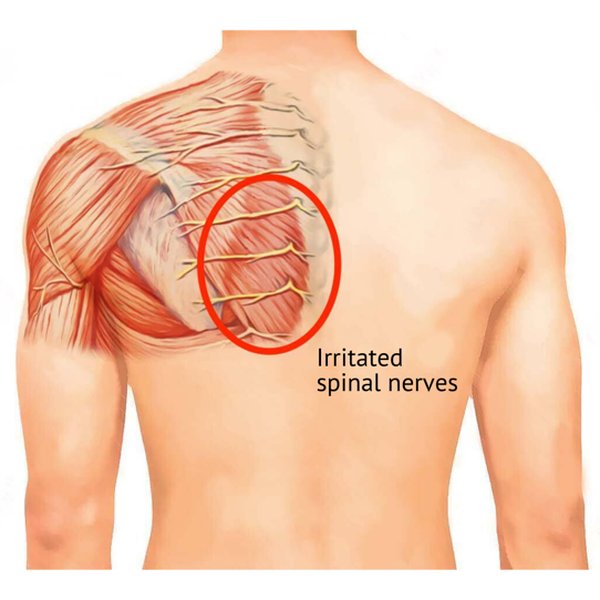
An illustration depicting irritated spinal nerves, a common underlying factor in notalgia paresthetica.
Navigating the Treatment Landscape for Notalgia Paresthetica
The primary goal of treating notalgia paresthetica is symptom management, as a definitive cure remains elusive. Treatment effectiveness is highly individual, often requiring a trial-and-error approach and a combination of various therapeutic strategies. A comprehensive management plan typically involves a multidisciplinary team, including neurologists, dermatologists, pain management specialists, and physical therapists.
Targeting Symptoms with Topical Therapies
Topical medications are a convenient starting point for NP treatment, offering localized relief with minimal systemic side effects. They are particularly beneficial for mild to moderate symptoms or as an adjunct to other therapies.
Capsaicin Creams and Patches: Desensitizing Nerve Endings
Capsaicin, derived from chili peppers, works by depleting Substance P, a neurotransmitter involved in pain signaling, from nerve endings. High-concentration capsaicin cream, initially applied frequently and then reduced, can provide significant relief for neuropathic itch. Similarly, 8% capsaicin patches have shown promising results in some patients. While effective, patients may experience an initial burning sensation that typically subsides with continued use.
Local Anesthetics and Corticosteroids: Immediate Relief and Anti-inflammatory Action
Prescription-strength local anesthetic creams, such as lidocaine or EMLA, can offer temporary but immediate relief from itching and pain by numbing the affected area. Topical corticosteroids may be utilized if inflammation is suspected, though their efficacy for primary neuropathic symptoms varies.
Oral Medications: Modulating Nerve Signals from Within
Oral medications are often a cornerstone of NP treatment, especially for more widespread or severe symptoms, as they can modulate nerve activity throughout the body.
Gabapentin: The Front-Line Oral Treatment
Gabapentin is the most frequently prescribed oral medication for notalgia paresthetica. It works by decreasing nerve excitability, effectively reducing neuropathic itch and pain. It is often considered a first-line oral therapy due to its documented efficacy in multiple studies, with dosing adjusted based on individual response. Other antiseizure medications like pregabalin or oxcarbazepine may also be considered if gabapentin is not suitable or effective.
Antidepressants and Other Adjunctive Oral Options
Certain antidepressants, such as duloxetine, have shown success in treating neuropathic pain and are sometimes prescribed for NP. While antihistamines, anti-inflammatory drugs, and muscle relaxants may be used adjunctively, they primarily address symptomatic relief rather than the underlying neuropathy. Palmitoylethanolamide is another oral option that has been explored.
Physical and Non-Pharmacologic Therapies: Addressing the Root Cause
Given the strong association between NP and spinal nerve impingement or musculoskeletal issues, physical and non-pharmacologic therapies are crucial for a comprehensive treatment plan.
Physical Therapy and Manual Treatments: Restoring Spinal Health
Physical therapy plays a significant role by focusing on improving posture, strengthening upper back and paraspinal muscles, and stretching pectoral muscles. Techniques such as cervical and thoracic spinal mobilization, including osteopathic manipulative treatment and chiropractic adjustments, can help relieve pressure on affected nerves. Repetitive exercises, such as crossing arms and bending forward while seated, are often recommended to improve spinal flexibility and reduce nerve irritation.
Transcutaneous Electrical Nerve Stimulation (TENS): Electrical Modulation for Relief
TENS therapy involves applying low-voltage electrical currents to the affected area. This non-invasive method can modulate nerve function and has been reported to significantly reduce symptoms for some patients, with studies suggesting up to a 60% symptom reduction with consistent use (e.g., 20 minutes, five times a week).
Acupuncture and Narrow Band UVB Phototherapy: Alternative Approaches
Some individuals find relief with acupuncture, which involves stimulating specific points on the body with fine needles to modulate nerve pathways. Narrow band UVB phototherapy, a light therapy, has also been reported to ease NP symptoms in certain cases.
Procedural and Interventional Treatments: Targeted Relief
For persistent or severe symptoms that do not respond to conservative measures, more intensive procedural interventions may be considered.
Botulinum Toxin Type A (Botox) Injections: Interrupting Pain Signals
Intradermal injections of Botulinum Toxin Type A (Botox) have been explored for NP. By modulating pain signaling pathways, Botox can provide relief for some patients, with effects potentially lasting for several months. While success rates vary, it's considered a valuable option for refractory cases.
Spinal Nerve Blocks: Temporary Anesthetic Relief
Spinal nerve blocks involve injecting local anesthetics near the affected nerves to provide temporary symptom relief. This approach is particularly useful if nerve root compression is suspected or for diagnostic purposes.
Cryolipolysis: A Novel Approach to Nerve Desensitization
Cryolipolysis, a non-invasive technique originally used for fat reduction, is emerging as a promising treatment for NP. By controlled cooling, it targets cutaneous nerve fibers, potentially reducing nerve density and sensitivity in the affected area, leading to temporary or even permanent symptom resolution.
Surgery: A Last Resort for Severe Compression
Surgical intervention is rarely necessary for NP, but it may be considered in rare cases where the condition is clearly linked to severe spinal pathology, such as a herniated disc causing significant and persistent nerve compression that is unresponsive to all other conservative treatments. The goal of surgery is to relieve the underlying nerve impingement.
The radar chart above provides a comparative assessment of different notalgia paresthetica treatments across several key attributes. Each axis represents an important factor in treatment efficacy and patient experience, such as symptom relief, long-term effectiveness, ability to address the root cause, invasiveness, side effect profile, and accessibility. This visual tool helps illustrate the strengths and weaknesses of each treatment modality, guiding discussions on personalized management strategies. For instance, while oral gabapentin offers excellent symptom relief and accessibility, physical therapy excels in addressing the underlying nerve impingement for long-term efficacy.
Understanding Treatment Efficacy: A Mindmap of Key Considerations
The effectiveness of notalgia paresthetica treatments can vary widely among individuals, emphasizing the need for a personalized approach. Several factors influence treatment outcomes, including the underlying cause of nerve irritation, symptom severity, patient adherence, and individual response to specific therapies.
This mindmap illustrates the complex interplay of treatment modalities and influencing factors in managing notalgia paresthetica. It highlights the various categories of treatments, from oral medications to advanced procedures, and emphasizes that factors like the underlying cause, symptom severity, and individual patient response significantly dictate the effectiveness of any given therapy. The mindmap underscores the importance of a holistic approach, incorporating patient education and lifestyle modifications for optimal long-term management.
Comparative Overview of Notalgia Paresthetica Treatments
The following table provides a concise summary of the various treatment options for notalgia paresthetica, highlighting their primary mechanisms, common applications, and key considerations. This helps in understanding the breadth of available therapies and their suitability for different patient profiles.
| Treatment Category | Examples/Mechanism | Key Considerations & Notes |
|---|---|---|
| Oral Medications | Gabapentin (modulates nerve excitability), Duloxetine (neuropathic pain benefits), Pregabalin, Oxcarbazepine | Often first-line for moderate to severe symptoms. Gabapentin is most common. Dosing adjusted based on response; potential for systemic side effects. |
| Topical Therapies | Capsaicin cream/patch (depletes Substance P), Local anesthetics (numb pain), Topical corticosteroids (reduce inflammation) | Localized relief, good for mild to moderate cases. Capsaicin may cause initial burning. Lower systemic side effects. |
| Physical Therapies & Non-Pharmacologic | Physical therapy (stretching, strengthening, posture), TENS (modulates nerve function), Acupuncture (nerve pathway stimulation), Narrow band UVB | Addresses musculoskeletal causes and nerve impingement. Non-invasive, often used adjunctively. Can provide significant relief for some. |
| Interventional & Procedural | Botulinum Toxin A injections (modulates pain signals), Spinal nerve blocks (temporary anesthetic), Cryolipolysis (targets cutaneous nerves) | For refractory cases or specific nerve issues. More invasive, variable success rates. Cryolipolysis is an emerging technique. |
| Surgical Intervention | Spinal decompression (if severe disc herniation) | Rarely indicated, only for severe, confirmed nerve compression unresponsive to all other treatments. |
| Lifestyle & Supportive Measures | Avoiding scratching, maintaining good posture, stress management, patient education | Crucial for long-term management and preventing symptom exacerbation. Empowers patients in their self-care. |
Personalized Treatment Approaches and Prognosis
Given the chronic nature of notalgia paresthetica, treatment strategies must be highly individualized. What works for one person may not work for another, necessitating a flexible and adaptive approach. Often, a combination of therapies yields the best results. Patients should work closely with their healthcare providers to find the most effective regimen that balances symptom relief with minimal side effects.
This video offers an insightful overview of Notalgia Paresthetica, covering its causes, risk factors, symptoms, diagnosis, and various treatment options. It is highly relevant as it provides a foundational understanding of the condition, which is essential for comprehending why certain treatments are prescribed and how they aim to alleviate the characteristic itching and pain. Understanding these aspects empowers patients to engage more effectively in their treatment journey and discussions with healthcare professionals.
Notalgia paresthetica is a chronic condition that can persist for months to years. While there is no cure, many patients can achieve significant symptom reduction and improve their quality of life through effective management. Some individuals may experience periods of remission, while others require ongoing therapy to keep symptoms in check. Early diagnosis and intervention are beneficial in preventing symptoms from worsening and mitigating secondary skin changes caused by chronic scratching.
Frequently Asked Questions (FAQ)
What causes notalgia paresthetica?
Is there a cure for notalgia paresthetica?
How long does notalgia paresthetica last?
Can lifestyle changes help with notalgia paresthetica?
When should I see a doctor for notalgia paresthetica?
Conclusion
Notalgia paresthetica, while a benign condition, can be a source of significant discomfort and frustration due to its persistent neuropathic symptoms. Effective management relies on a comprehensive, individualized approach that integrates various treatment modalities, including topical creams, oral medications, physical therapies, and, in some cases, advanced procedural interventions. By understanding the underlying nerve irritation and embracing a multidisciplinary strategy, patients can achieve substantial symptom relief, improve their quality of life, and effectively manage this chronic condition. Ongoing communication with healthcare providers and adherence to personalized treatment plans are essential for long-term success.
Recommended Further Reading
- Explore comprehensive management strategies for chronic neuropathic itch.
- Discover the role of physical therapy in alleviating spinal nerve compression.
- Learn about emerging and novel treatments for neuropathic pain syndromes.
- Read about patient experiences and outcomes with various notalgia paresthetica therapies.