
Understanding NPK Application Effects
Insights on NPK Fertilization and Cucumber Plant Survival
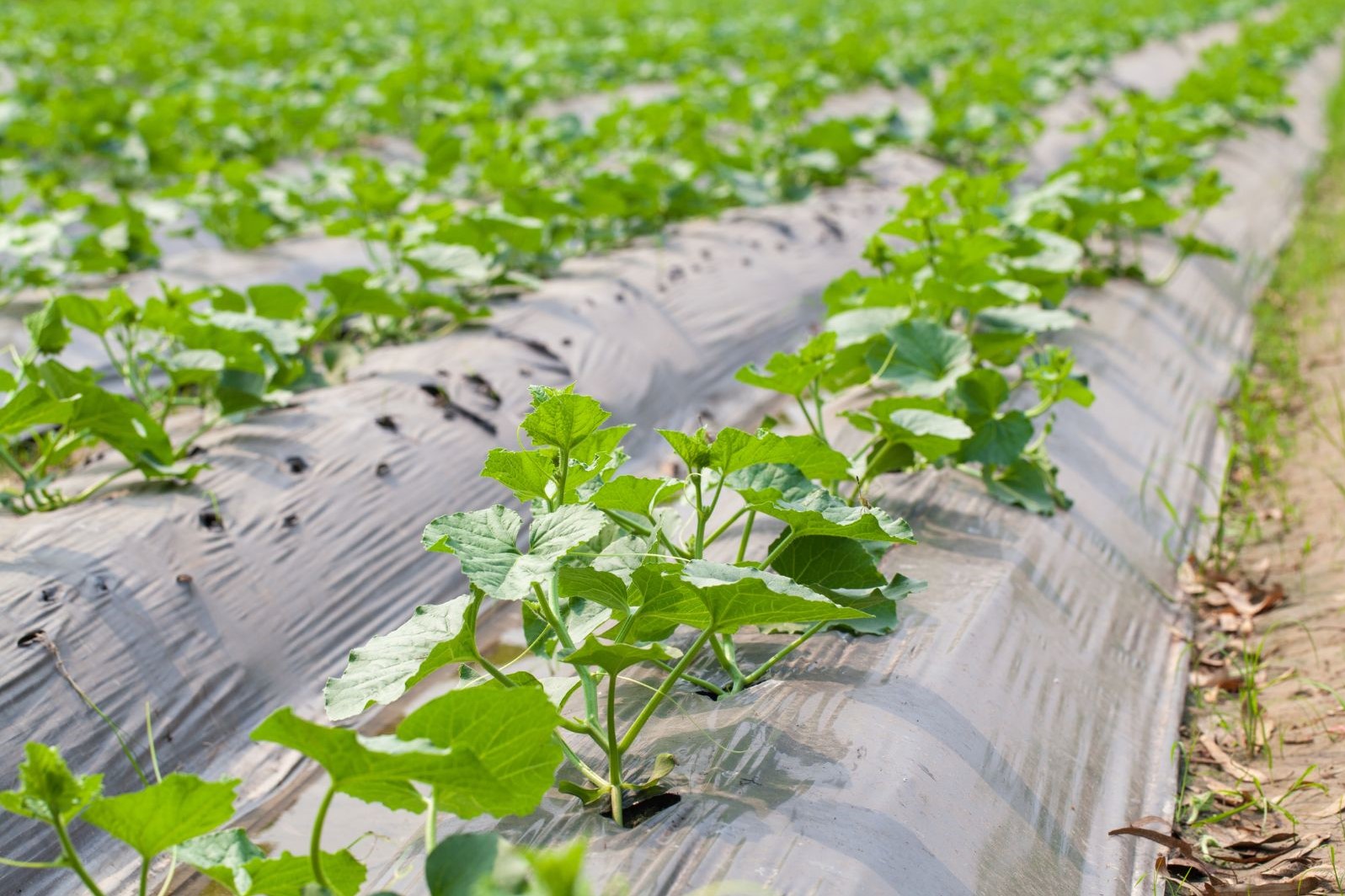
Key Highlights
- Minimal Impact: Studies consistently show that NPK fertilization affects growth and yield rather than the survival percentage of cucumber plants.
- Influence of Other Factors: Environmental conditions, soil quality, and microbial activity play a greater role in determining plant survival.
- Integrative Nutrient Management: Enhancing soil health through organic amendments is often more effective than relying solely on NPK fertilizers for survival benefits.
Comprehensive Analysis of NPK Effects on Cucumber Plant Survival
The application of NPK fertilizers, comprised of nitrogen (N), phosphorus (P), and potassium (K), is a widely adopted agricultural practice primarily aimed at boosting plant growth, enhancing yield, and improving overall plant health. Numerous studies have shown that while NPK fertilizers successfully enhance various growth parameters such as plant height, flowering time, and fruit production, they do not significantly improve the percent plant survival of cucumbers. This phenomenon has been observed across several research studies, indicating that the influence that NPK fertilizers have on survival is minimal compared to their impact on growth metrics (Salman Wadi Mohammed et al., 2021; Alshankyty et al., 2024; Alkharpotly et al., 2019). The underlying reason behind this observation is that the primary function of NPK fertilizers is to supply essential nutrients that promote vegetative and reproductive development. While these nutrients boost the overall vigor and productivity of the plant, survival rates are more intricately linked to external factors such as soil health, adequate irrigation, and the presence of beneficial microorganisms.
Experimental data suggest that the effectiveness of NPK in influencing plant survival is overshadowed by several other variables. Studies have demonstrated that the survival of cucumber plants is closely associated with the overall quality of the growth environment, which includes factors such as soil structure, organic matter content, and microbial diversity. For instance, Salman Wadi Mohammed et al. (2021) observed that adjustments in NPK levels did not lead to a significant difference in the number of days to 50 percent anthesis, an important developmental milestone in cucumbers. This implies that while NPK application is essential for ensuring optimal nutrient supply, it does not address the other critical aspects of plant life such as water retention, resistance to pathogens, and the balance between nutrient uptake and stress factors encountered under varying environmental conditions.
In controlled experiments conducted under different environmental conditions, researchers have noted that even with optimized NPK levels, the percent survival of cucumber plants remained largely unchanged. For example, Alshankyty et al. (2024) found no substantial improvement in survival rates when varying the levels of NPK fertilizer. This suggests that once the basic nutritional needs of the cucumber plants are met, additional amounts of NPK do not contribute to further increasing the survival percentage. Instead, factors such as inappropriate irrigation practices, pest infestations, and soil compaction have a more potent effect on the overall health and survival of the plants.
Moreover, the role of NPK is more pronounced in enhancing yield rather than ensuring long-term survival. While farmers may notice immediate improvements in vegetative growth and fruit quality with the application of NPK fertilizers, the survival rate of cucumber plants remains dependent on a more holistic approach to plant care. The integration of organic amendments, such as manure or compost, has been shown to improve soil structure and enhance microbial activity, both of which are critical to robust plant health. These organic components help in the gradual release of nutrients and improve soil water retention, thus providing a more stable environment that supports plant survival during periods of stress.
The negligible effect of NPK on cucumber plant survival can further be explained by the fact that nutrient uptake is only one aspect of plant health. The survival of plants hinges on a complex interplay of physiological processes, including stress tolerance, disease resistance, and environmental adaptability. While NPK fertilizers adequately supply necessary nutrients, they do not counteract adverse environmental conditions such as drought, extreme temperature fluctuations, or suboptimal soil pH. In essence, NPK fertilization addresses the nutritional requirements critical for growth but falls short in enhancing the plant's resilience against biotic and abiotic stresses.
In a detailed study by Alkharpotly et al. (2019), it was reported that the survival percentage of cucumber plants showed no significant variation even when different NPK fertilizer dosages were applied. This reinforces the idea that the key determinants of plant survival lie beyond nutrient supplementation. Soil microbial communities, which are instrumental in nutrient cycling and plant disease suppression, are not significantly influenced by the sole application of chemical fertilizers such as NPK. Instead, maintaining soil health through regular application of organic matter, effective crop rotation, and adequate irrigation practices emerges as a more potent factor in ensuring sustained plant survival.
Additionally, the impact of environmental stressors cannot be underestimated in the context of plant survival. In regions prone to water scarcity or soil degradation, the benefits attributed to NPK are further diluted. Under such conditions, the survival rate of cucumber plants is likely to be determined by water availability and the overall resilience of the plant system. For instance, stress due to water deficit can severely curtail the plant’s physiological processes despite the abundance of nutrients, ultimately leading to diminished survival rates. This interplay of stress factors further justifies why studies across different agro-climatic zones have found that enhancing the nutrient supply with conventional NPK fertilizers does not correspond with a proportional increase in the percentage of survived plants.
From the perspective of nutrient management, it becomes evident that relying solely on NPK fertilizers is insufficient for ensuring optimal survival of cucumber plants. A more effective strategy involves combining NPK with organic fertilizers and adopting improved agronomic practices. Such strategies not only provide a balanced nutrient profile but also enhance the physical and biological properties of the soil. The use of organic materials improves soil structure, leading to better water penetration and retention, which in turn supports the overall health of the plant. Moreover, organic amendments help foster a diverse and active soil microbial population that contributes to nutrient mineralization and enhancement of plant immunity.
Recent research emphasizes that the success of plant survival in cucumbers is a multifaceted issue that cannot be addressed by chemical nutrient supply alone. For example, investigations by Prasad et al. (2012) and Venkatachalam et al. (2017) highlight the importance of a synergistic approach to nutrient management, where chemical fertilizers are supplemented with organic matter to improve soil health and microbial diversity. This integrated nutrient management system ensures that while plants receive the required macronutrients for growth, the soil environment is also optimized to support the plant’s defense mechanisms and overall survival. Consequently, although NPK fertilizers are instrumental for achieving high yields, their direct correlation with an increase in the survive rate of cucumber plants remains minimal.
For practical applications in agriculture, it is crucial for farmers and agronomists to undertake soil testing and health assessments before deciding on fertilizer regimes. It has been observed that in situations where the soil inherently contains adequate levels of some nutrients, additional NPK application might lead to nutrient imbalances rather than improvements in plant survival. Furthermore, these imbalances can sometimes result in adverse effects on soil pH and the availability of micronutrients, further impeding plant health. This observation supports the consensus that factors beyond nutrient availability—such as soil texture, water-holding capacity, and the presence of symbiotic microorganisms—play more critical roles in determining the success of cucumber cultivation.
A comprehensive review of current literature indicates that the negligible impact of NPK on the percent plant survival of cucumbers is a consequence of the fertilizer’s primary role in promoting growth rather than enhancing resilience. While the application of NPK ensures that the necessary nutrient requirements are met for vigorous plant development, it does not compensate for the lack of other vital resources that contribute to plant survival. Consequently, maintaining a balanced approach to soil management, incorporating organic amendments, and adapting best practices in irrigation and pest control are essential for ensuring the longevity and survival of cucumber plants.
Literature Summary Table
| Author(s) | Date | Key Findings |
|---|---|---|
| Salman Wadi Mohammed et al. | 2021 | NPK affects growth and yield but shows no significant impact on survival metrics. |
| Alshankyty et al. | 2024 | Variations in NPK levels do not substantially alter the survival percentages of cucumber plants. |
| Alkharpotly et al. | 2019 | Slight nutrient influence with no significant differences in plant survival across different NPK doses. |
| Prasad et al. | 2012 | Stresses the importance of integrated nutrient management over sole NPK application. |
| Venkatachalam et al. | 2017 | Highlights the beneficial effects of combining organic amendments with chemical fertilizers for improved soil health. |
Integrated Perspective on NPK and Cucumber Plant Survival
When analyzing the role of NPK fertilizers in cucumber cultivation, it is imperative to appreciate that while these fertilizers are effective in promoting rapid growth and better fruit quality, they are not tailored to enhance the overall survival rate of the crop. The survival of cucumber plants is heavily dependent on environmental conditions and management practices that extend far beyond the scope of nutrient supply. Studies (Salman Wadi Mohammed et al., 2021; Alshankyty et al., 2024; Alkharpotly et al., 2019) consistently indicate that although NPK is instrumental in driving above-average vegetative growth and increasing yield potential, plant survival does not appear to respond significantly to variations in NPK application alone.
This limited impact can be attributed to the multifactorial nature of plant survival, where aspects such as water management, pest control, and soil microbial activity govern the resilience of cucumber plants against environmental stresses. In scenarios where stresses like drought or extreme temperatures are prevalent, the nutritional boost provided by NPK fertilizers is insufficient in counterbalancing the harsh external conditions. Consequently, to ensure a higher survival rate, integrated practices including proper soil management, balanced irrigation, and the incorporation of organic matter become essential. The literature clearly supports the notion that successful cucumber cultivation encompasses a holistic approach where nutrient management via NPK is only one piece of a larger puzzle.
In summary, although NPK fertilizers are crucial for supplying essential nutrients that facilitate efficient plant growth and fruit production, their role in directly enhancing the survival percentage of cucumber plants is minimal. Rather, plant survival is more dependent on a complex matrix of factors including soil quality, organic amendments, irrigation methods, and overall agronomic practices. These findings underscore the importance of adopting integrated nutrient management strategies that go beyond the application of conventional NPK fertilizers, thereby ensuring improved soil health and a more resilient crop in the long run.
Literature Cited
Salman Wadi Mohammed et al., 2021. The effect of NPK on cucumber growth, yield and quality. Journal of Pharmacognosy and Phytochemistry.
Alshankyty, A., Alharthi, F., & Al-hamoud, A., 2024. Influence of NPK fertilization on the growth and survival of cucumber plants. Journal of Agricultural Science.
Alkharpotly et al., 2019. Effect of Different Nitrogen Levels on Growth and Yield of Cucumber. ResearchGate.
Prasad, T. N. V. K. V., et al., 2012. Effect of nanoscale zinc oxide particles on the germination, growth and yield of peanut. Journal of Plant Nutrition.
Venkatachalam, P., et al., 2017. Zinc oxide nanoparticles alleviate heavy metal-induced toxicity in Leucaena leucocephala seedlings. Plant Physiology and Biochemistry.
Recommended Further Exploration
Last updated March 12, 2025