
Decoding Hong Kong's Unique Legal Dance: How NPCSC and CFA Uphold "One Country, Two Systems"
Exploring the intricate balance of power between Beijing's interpretation and Hong Kong's judicial autonomy under the Basic Law.
The "One Country, Two Systems" principle is the cornerstone of Hong Kong's unique status within the People's Republic of China (PRC). Enshrined in the Basic Law of the Hong Kong Special Administrative Region (HKSAR), which took effect on July 1, 1997, this principle allows Hong Kong to maintain its distinct capitalist system, common law legal framework, and a high degree of autonomy, while remaining an inalienable part of China. Central to the operation of this framework is the dynamic interaction between two key institutions: the National People's Congress Standing Committee (NPCSC) in Beijing and the Court of Final Appeal (CFA) in Hong Kong. Their relationship, primarily governed by the Basic Law, is a direct reflection of the delicate balance inherent in "One Country, Two Systems".
Key Insights into the NPCSC-CFA Dynamic
- Interpretation Power Dynamics: The NPCSC holds the ultimate power to interpret the Basic Law, reflecting the "One Country" aspect, while the CFA interprets laws, including the Basic Law, within the scope of HKSAR's autonomy, embodying the "Two Systems" dimension.
- Article 158 as the Linchpin: Article 158 of the Basic Law dictates the formal mechanism for interaction, outlining when the CFA can interpret the Basic Law independently and when it must seek interpretation from the NPCSC, particularly on matters concerning central authorities or the Central-HKSAR relationship.
- Maintaining Judicial Independence within Sovereignty: The framework allows Hong Kong's judiciary, led by the CFA, to operate independently and exercise final adjudication power, safeguarding the common law system and fundamental rights, yet acknowledges the NPCSC's authority as stemming from China's overall sovereignty.
Defining the Players: NPCSC and CFA Roles
Understanding the interaction requires clarity on the respective roles assigned by the Basic Law.
The National People's Congress Standing Committee (NPCSC)
Constitutional Interpreter
The NPCSC is the permanent body of the National People's Congress, China's highest organ of state power. Under the PRC Constitution and the Basic Law (specifically Article 158), the NPCSC possesses the constitutional authority to interpret the Basic Law. Its interpretations are legally binding on all institutions within the HKSAR, including the courts.
Guardian of the "One Country" Principle
The NPCSC's interpretative power serves as a mechanism to ensure that the application and development of the Basic Law remain consistent with China's overall constitutional framework, national sovereignty, security, and developmental interests. It acts as the ultimate arbiter on the meaning of Basic Law provisions, especially those defining the relationship between the central government and the HKSAR or falling outside the scope of HKSAR's autonomy.
The Court of Final Appeal (CFA)
Apex Court of the HKSAR
The CFA stands at the pinnacle of Hong Kong's independent judicial system. As stipulated in the Basic Law (Articles 19 and 85), Hong Kong enjoys independent judicial power, including that of final adjudication, vested in the CFA. The courts are mandated to exercise judicial power independently, free from any interference.
Interpreter within Autonomy
The CFA is responsible for interpreting and applying all laws operative within the HKSAR, including the Basic Law, in the context of specific legal cases brought before it. Article 158(2) explicitly authorizes HKSAR courts to interpret provisions of the Basic Law which are within the limits of the HKSAR's autonomy on their own when adjudicating cases.
Protector of Rights and the Common Law
The CFA plays a vital role in upholding the rule of law, safeguarding the fundamental rights and freedoms guaranteed by the Basic Law (Chapter III), and ensuring the continuity of the common law system in Hong Kong (Article 8). Its judgments shape the legal landscape within the HKSAR.
The Nexus: Article 158 of the Basic Law
Article 158 is the critical provision mediating the relationship between the NPCSC's interpretive power and the CFA's judicial function. It establishes a two-tiered system for interpreting the Basic Law:
- General Interpretation Power (Article 158(1)): This vests the power of interpretation of the Basic Law in the NPCSC.
- Delegated Interpretation Power (Article 158(2)): This authorizes HKSAR courts (including the CFA) to interpret, during adjudication, provisions of the Basic Law that are within the limits of the Region's autonomy. They can also interpret other provisions of the Basic Law.
- Referral Mechanism (Article 158(3)): This is the crucial interaction point. If a case before the HKSAR courts requires interpretation of Basic Law provisions concerning affairs which are the responsibility of the Central People's Government, or concerning the relationship between the Central Authorities and the Region, *and* if such interpretation will affect the judgment of the case, the courts of the Region shall, before making their final judgment which is not appealable (i.e., the CFA), seek an interpretation of the relevant provisions from the NPCSC through the CFA.
- Binding Nature of NPCSC Interpretations: When the NPCSC makes an interpretation, the HKSAR courts, in applying the relevant provisions, are bound by that interpretation. However, judgments previously rendered are not affected. The NPCSC consults its Committee for the Basic Law of the HKSAR before giving an interpretation.
This mechanism attempts to balance the need for uniform interpretation on matters of national significance ("One Country") with the operational independence of the HKSAR's judiciary ("Two Systems"). Landmark cases, such as Lau Kong Yung v. Director of Immigration (1999), have tested and affirmed the CFA's obligation to follow NPCSC interpretations under the conditions set out in Article 158(3).
Visualizing the Balance: NPCSC vs. CFA Powers
The following chart offers a conceptual visualization of the relative roles and powers of the NPCSC and the CFA within the "One Country, Two Systems" framework, based on their functions under the Basic Law. The scores are illustrative, representing spheres of influence rather than absolute metrics.
This chart illustrates that while the NPCSC holds ultimate interpretive authority and oversight concerning sovereignty, the CFA dominates in areas of final adjudication within Hong Kong, day-to-day judicial interpretation under autonomy, and upholding the local legal system.
Mapping the Framework: "One Country, Two Systems" Interaction
This mindmap outlines the core components and relationships governing the NPCSC-CFA interaction under the Basic Law and the overarching "One Country, Two Systems" principle.
The mindmap highlights how the Basic Law, particularly Article 158, mediates the relationship between the NPCSC (representing the "One Country" aspect and central authority) and the CFA (representing the "Two Systems" aspect and HKSAR's judicial autonomy), all under the umbrella of the "One Country, Two Systems" principle.
How the Interaction Reflects "One Country, Two Systems"
The NPCSC-CFA interaction is a practical manifestation of the core tenets of "One Country, Two Systems":
- Upholding National Unity and Sovereignty ("One Country"): The NPCSC's final power of interpretation ensures that the Basic Law, Hong Kong's mini-constitution, remains aligned with the PRC's fundamental policies and sovereignty. The referral mechanism in Article 158(3) explicitly reserves interpretation on matters affecting central authority or the relationship between the Centre and HKSAR to the NPCSC. This safeguards the "One Country" framework.
- Guaranteeing HKSAR's High Degree of Autonomy ("Two Systems"): The Basic Law grants the HKSAR independent judicial power, including final adjudication (Article 19). The CFA exercises this power. Article 158(2) empowers HKSAR courts to interpret Basic Law provisions within the scope of autonomy, allowing the distinct legal system to function and evolve according to common law principles (Article 8). This reflects the "Two Systems" commitment.
- Providing a Mechanism for Resolution: The structured interaction via Article 158 provides a legal channel to address potential conflicts or ambiguities concerning the division of powers and responsibilities between the central government and the HKSAR. It establishes a clear, albeit sometimes contentious, process for determining the authoritative meaning of the Basic Law.
- Balancing Act: The entire framework represents a delicate balancing act. The CFA operates independently in most cases, applying and interpreting laws, including the Basic Law. However, the NPCSC retains the ultimate authority to interpret the Basic Law, acting as a constitutional check from the perspective of the sovereign state. This structure aims to allow Hong Kong's system to thrive while remaining constitutionally subordinate to the PRC.
Visual Context: Institutions of Power
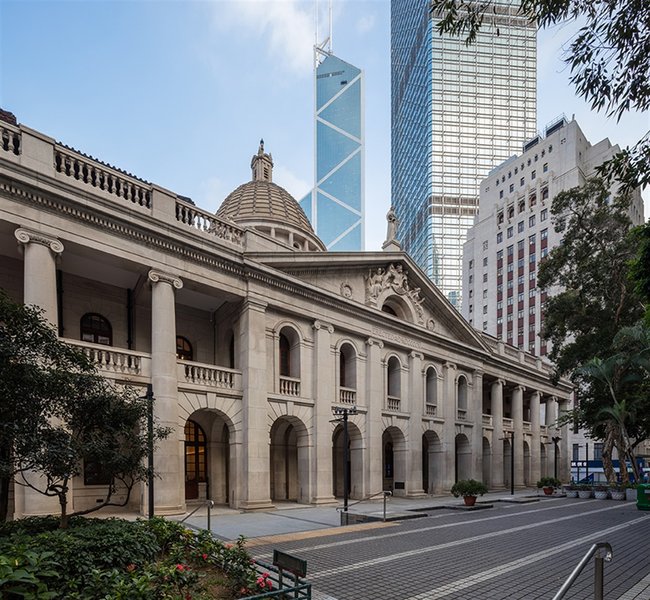
The physical homes of the NPCSC and the CFA visually represent the two poles of this constitutional relationship. The Great Hall of the People in Beijing houses the NPCSC, symbolizing central authority and national legislative power. The Court of Final Appeal Building in Hong Kong, a historic landmark, represents the continuity of the common law tradition and judicial independence within the HKSAR.

Challenges and Contemporary Dynamics
While designed as a framework for coexistence, the interaction between the NPCSC and the CFA has not been without tension. Critics argue that NPCSC interpretations, particularly those initiated proactively or perceived as broad, can potentially erode Hong Kong's judicial autonomy and the predictability of its common law system. Instances involving right of abode cases, oath-taking controversies, and interpretations related to the National Security Law (NSL) have fueled debates about the balance shifting more towards "One Country" at the expense of "Two Systems". Proponents, however, maintain that NPCSC interpretations are necessary to clarify constitutional ambiguities and uphold national interests, which is consistent with the framework.
The CFA, in its judgments, often navigates complex legal questions involving the Basic Law, striving to uphold common law principles while acknowledging the constitutional framework established by the Basic Law and the NPCSC's interpretive role. This ongoing dynamic continues to shape the legal and political landscape of Hong Kong.
Understanding "One Country, Two Systems"
The video below provides a concise explanation of the "One Country, Two Systems" principle, offering valuable context for understanding the framework within which the NPCSC and CFA interact.
This principle, originally conceived by Deng Xiaoping, forms the basis of Hong Kong's return to Chinese sovereignty in 1997. It aimed to preserve Hong Kong's existing systems, including its legal and economic structures, for at least 50 years, while acknowledging China's overall sovereignty.
Basic Law Provisions Governing the Interaction
The table below summarizes key articles of the Basic Law relevant to the NPCSC-CFA interaction and the "One Country, Two Systems" framework:
| Article | Key Provision Summary | Relevance to NPCSC-CFA Interaction & "One Country, Two Systems" |
|---|---|---|
| Art. 2 | Grants HKSAR a high degree of autonomy and independent executive, legislative, and judicial power, including final adjudication. | Establishes the foundation of HKSAR's autonomy and the CFA's power ("Two Systems"). |
| Art. 8 | Maintains the laws previously in force in Hong Kong (common law, rules of equity, ordinances, subordinate legislation, customary law). | Underpins the distinct legal system the CFA presides over ("Two Systems"). |
| Art. 18 | States PRC national laws shall not be applied in HKSAR except for those listed in Annex III (relating to defence, foreign affairs, and matters outside HKSAR autonomy). | Defines the general separation of legal systems, reinforcing "Two Systems". |
| Art. 19 | Vests independent judicial power, including final adjudication, in the HKSAR courts. Restricts jurisdiction over acts of state like defence and foreign affairs. | Confirms the CFA's role as the highest court with final say in HKSAR cases, barring specific exceptions. |
| Art. 85 | Guarantees judicial independence, stating courts shall exercise power independently, free from interference. | Emphasizes the autonomy of the judiciary, including the CFA. |
| Art. 158 | Grants NPCSC the power to interpret the Basic Law; authorizes HKSAR courts to interpret provisions within autonomy; mandates referral to NPCSC for interpretation on Central Govt. affairs or Centre-HKSAR relations before final judgment. | The core article governing the NPCSC-CFA interaction, balancing NPCSC's ultimate authority ("One Country") with the CFA's interpretive role within HKSAR's sphere ("Two Systems"). |
Frequently Asked Questions
What triggers the need for the CFA to seek an NPCSC interpretation?
According to Article 158(3) of the Basic Law, the CFA must seek an interpretation from the NPCSC if two conditions are met: 1) The case requires interpretation of Basic Law provisions concerning affairs which are the responsibility of the Central People's Government (e.g., defence, foreign affairs) OR concerning the relationship between the Central Authorities and the HKSAR. 2) The interpretation of these provisions will affect the final judgment of the case.
Is Hong Kong's judiciary truly independent if the NPCSC can interpret the Basic Law?
The Basic Law guarantees judicial independence (Article 85) and grants the CFA final adjudication power (Article 19). Hong Kong courts operate independently in hearing cases, applying laws, and interpreting Basic Law provisions within HKSAR autonomy. However, this independence operates within the constitutional framework where the NPCSC holds the ultimate power to interpret the Basic Law, reflecting the "One Country" aspect. The extent to which NPCSC interpretations impact practical judicial independence is a subject of ongoing debate and depends heavily on the frequency, scope, and nature of these interpretations.
Can the NPCSC interpret any part of the Basic Law at any time?
Article 158(1) grants the general power of interpretation to the NPCSC without explicitly limiting it to referrals from the CFA. The NPCSC has, on occasion, issued interpretations proactively (not prompted by a specific court referral). While the referral mechanism under Article 158(3) is specific to cases before the courts, the NPCSC's broader interpretive power under Article 158(1) allows it to interpret provisions as it deems necessary, though it must consult the Basic Law Committee.
How does the interaction reflect the "Two Systems" part specifically?
The "Two Systems" aspect is reflected primarily through the CFA's role. The Basic Law establishes an independent judiciary (Art. 85) with the power of final adjudication (Art. 19) vested in the CFA. Crucially, Article 158(2) explicitly empowers HKSAR courts to interpret Basic Law provisions within the scope of the region's autonomy during adjudication. This allows the common law system (Art. 8) to continue operating distinctly from the mainland socialist legal system, with the CFA applying and interpreting laws, including the Basic Law, in the vast majority of cases without needing NPCSC involvement.
References
- Chapter VIII Interpretation and Amendment of the Basic Law - The Basic Law
- The Basic Law - Hong Kong Court of Final Appeal
- One Country, Two Systems” and The Basic Law - Hong Kong Legal Hub
- The Duty of Hong Kong Courts to Follow the NPCSC's Interpretation When It Contradicts a Prior CFA Judgment - SSRN Papers
- The Legal Limits on Beijing's Powers to Interpret Hong Kong's Basic Law - HKU Law Research Blog
- One country, two systems - Wikipedia
- Judicial Independence, Impartiality, and Integrity in Hong Kong - SSRN Papers
Recommended Reading
Last updated April 5, 2025