
Understanding NSDR
A Comprehensive Guide to Non-Sleep Deep Rest and Its Benefits
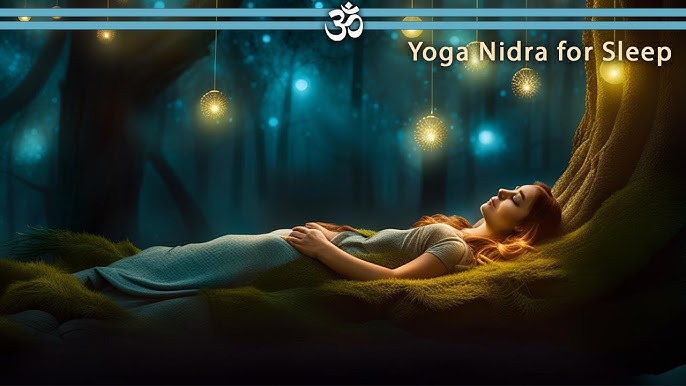
Highlights
- Deep Relaxation Technique: NSDR offers a state of profound relaxation while maintaining a level of wakeful awareness.
- Well-Being and Cognitive Benefits: The practice helps reduce stress, improve memory retention, and boost focus by shifting the nervous system from stress mode to a calming state.
- Accessible and Versatile: NSDR sessions can be easily incorporated into daily routines and provide a rejuvenating break without replacing actual sleep.
What is NSDR?
Non-Sleep Deep Rest (NSDR) is a structured relaxation technique primarily designed to induce a state of deep rest and mental rejuvenation without the need for actual sleep. Originating from practices rooted in ancient meditation traditions, such as yoga nidra and guided hypnosis, NSDR has been modernized and popularized by neuroscientists interested in leveraging its restorative benefits. It enables individuals to experience the calming effects typically associated with sleep—such as reduced heart rate and stress—while remaining consciously aware.
Core Principles of NSDR
The fundamental concept behind NSDR is to intentionally guide the body and mind into a state of relaxation that helps counterbalance the constant engagement of our daily lives. It is structured to shift the body from the sympathetic nervous system (commonly linked to the “fight-or-flight” response) toward the parasympathetic nervous system, which is responsible for rest, digestion, and recuperation. This transition is achieved through a combination of specific techniques that modulate brain wave activity and relax the physical body.
Techniques and Methodologies
NSDR includes several structured techniques that facilitate this process:
- Guided Meditation: Participants are led through a series of instructions that help focus their mind and slow down cognitive processes.
- Yoga Nidra: Often described as “yogic sleep,” this practice involves a deeply focused body scan and visualization to foster a sense of complete relaxation.
- Controlled Breathing: Specific breathing patterns are used to regulate the autonomic nervous system, reducing stress and promoting calmness.
- Body Scanning: This method involves moving one’s attention systematically through different parts of the body, inducing awareness and releasing tension.
- Visualization: Imagining soothing images or scenarios can help in deep relaxation and mental rest.
Benefits of Practicing NSDR
NSDR is recognized for its numerous benefits which have made it an appealing practice for people seeking relief from the relentless pace of modern life without compromising consciousness. Notably, NSDR is not designed to replace sleep, but rather to complement it—especially when circumstances limit the possibility of achieving a full night’s rest.
Physiological Advantages
One of the primary advantages of NSDR is its ability to invoke a healing and restorative state in the mind and body. When engaging in NSDR:
- Reduction in Stress Hormones: The practice facilitates lower levels of cortisol, a stress hormone, thereby reducing the overall stress load on the body.
- Enhanced Parasympathetic Activity: By switching the focus to the parasympathetic nervous system, NSDR contributes to a lower heart rate, decreased blood pressure, and overall body calmness.
- Improved Neurotransmitter Balance: NSDR can lead to elevated levels of dopamine which helps in improving mental clarity and focus.
Impact on Brain Activity
Scientifically, NSDR works by transitioning the brain from states characterized by high-frequency beta waves (indicative of active, stressed thinking) to more relaxed states dominated by alpha and theta waves. This shift not only grants immediate relaxation but also carries potential benefits for learning speed, memory consolidation, and emotional regulation.
Cognitive and Emotional Benefits
Beyond the physical relaxation, NSDR has a profound effect on cognitive functions and emotional resilience. Regular practice of NSDR has been associated with:
- Enhanced Focus and Mental Clarity: As the mind reaches a more restful state during NSDR, it becomes better equipped to concentrate and process information more efficiently.
- Improved Memory Retention: The conditions created by NSDR have been linked to improved consolidation of memories and learning outcomes.
- Emotional Stability: A reduction in stress and an increase in calm can contribute to better emotional regulation and decreased anxiety.
- Rejuvenation of Energy: Users often report feeling refreshed and recharged after a session, making it an excellent practice for mid-day breaks or post-exercise recovery.
Integrating NSDR into Daily Routine
NSDR is highly adaptable and can be easily incorporated into various lifestyles. Its sessions typically last between 10 and 30 minutes, making it a practical and accessible tool for achieving deep rest in schedules that do not always permit a long sleep or meditation session.
How to Practice NSDR
Implementing NSDR into your daily life does not require any specialized equipment or environment. A few simple steps can make it an effective practice:
Step-by-Step Approach
- Choose a Quiet Environment: Ideally in a dimly lit, comfortable space where distractions are minimized.
- Get Comfortable: Lie down or sit in a relaxed position with your body supported.
- Begin with Deep Breathing: Initiate your session by engaging in deep, slow breathing. Focus on your breath to begin disengaging from external stressors.
- Follow a Guided Session: It can be beneficial to use a pre-recorded guided meditation, yoga nidra script, or hypnosis session that leads you methodically through the relaxation process.
- Focus on Body Scans: Slowly move your attention through different parts of your body from head to toe, consciously releasing any tension.
- Maintain Awareness: Throughout the session, try to remain aware but relaxed, letting your mind drift in a controlled manner that is not quite sleep but not fully awake either.
Techniques to Enhance the NSDR Experience
While the basic framework of NSDR is straightforward, various techniques can enhance its effects:
- Consistent Timing: Practicing NSDR at the same time each day can help in conditioning your body and mind to recognize it as a signal for relaxation.
- Themed Guided Sessions: Some guided tracks include specific focus areas such as stress relief, emotional balance, or energy restoration, allowing you to tailor the practice to your current needs.
- Integration with Other Practices: Combining NSDR with light stretching or mindfulness exercises can provide a holistic approach to relaxation and rejuvenation.
- Breath Awareness: Paying close attention to the quality and rhythm of your breathing can amplify the calming effects and further facilitate the transition into a state of deep rest.
NSDR vs. Traditional Sleep
It's essential to understand that while NSDR mimics many of the restorative elements of sleep, it is not designed as a substitute for a regular, full night of sleep. However, for those moments when sleep is elusive or when a quick recovery is needed during the day, NSDR can serve as a valuable adjunct to your overall rest routines.
Key Differences
| Aspect | NSDR | Traditional Sleep |
|---|---|---|
| Conscious Awareness | Maintains a level of wakefulness while deeply relaxed | Unconscious, restorative process |
| Duration | Typically 10-30 minutes per session | Several hours per sleep cycle |
| Purpose | Immediate stress relief and cognitive reset | Comprehensive physical and neurological restoration |
| Brain Wave Activity | Induction of alpha and theta waves | Cycles through various sleep stages including REM and deep sleep |
| Practicality | Short sessions ideal for busy schedules | Requires dedicated sleep time |
As seen in the table, while both NSDR and traditional sleep share several restorative properties, the state induced by NSDR is best understood as a deliberate, conscious pause—a way to tap into deep relaxation amidst an often hectic lifestyle.
Scientific Insights into NSDR
Scientific research into NSDR has begun to validate many of the observed benefits of this practice. Neurobiological studies have shown that during NSDR, there is a marked decrease in cortical activity associated with high alertness, paired with an increased presence of brain wave patterns that are noted for their association with creativity and relaxation. The practice has sparked interest in its potential to enhance cognitive performance, particularly in enhancing memory consolidation and learning processes.
Research and Findings
Detailed investigations indicate that even brief sessions of NSDR can lead to significant improvements in mental clarity and emotional regulation. Participants who adopted the practice regularly reported improvements in their ability to manage stress, experience enhanced focus during challenging tasks, and retain newly acquired information more efficiently. This has led to NSDR becoming a recommended practice for those in high-stress careers, students, and anyone seeking a quick yet profound mental reset.
Neurotransmitter Balance
An important aspect of NSDR is its potential to augment the levels of particular neurotransmitters, notably dopamine. Elevated dopamine contributes to improved mood, sharper focus, and a heightened sense of well-being, which collectively support better cognitive performance and emotional stability.
Personalizing Your NSDR Experience
NSDR is highly adaptable to individual needs. Depending on your current lifestyle and stress levels, adapting the type, duration, and frequency of NSDR sessions can yield varied benefits. Many practitioners customize their NSDR sessions by selecting guided meditations that focus on specific goals, whether it is energy restoration after a long day or a calming session to curb anxiety before an important meeting.
Tailoring Sessions to Your Needs
To maximize the benefits, consider the following tips:
- Create a Routine: Establishing a regular time for NSDR can help your body and mind recognize the cues for deep rest, making it easier to transition into a state of relaxation.
- Experiment with Different Techniques: Try combining body scanning with visualization or focused deep breathing to see which approach works best for your situation.
- Monitor Your Response: Keep a journal to record how you feel before and after sessions. Over time, track changes in focus, energy levels, and emotional well-being to refine your practice.
- Supplement with Other Practices: Integrate NSDR with mindfulness exercises or light physical activity to create a comprehensive relaxation routine that addresses both body and mind.
Practical Applications and Use Cases
Given its flexibility and range of benefits, NSDR has found applications in various domains. Professionals facing high stress environments, students needing a mental reset, and individuals recovering from sleep deficits have all found NSDR to be an invaluable tool. Its use extends beyond personal well-being, with many organizations incorporating NSDR sessions into workplace wellness programs.
Everyday Use Scenarios
- Work Breaks: A brief NSDR session during work can greatly reduce accumulated stress, enhance creativity, and improve productivity during subsequent tasks.
- Pre- or Post-Exercise: Engaging in NSDR before or after physical activity can accelerate recovery by promoting relaxation and reducing muscle tension.
- Stress Management: In moments of acute stress or emotional turmoil, a short NSDR session can help recalibrate your emotional state, providing a quick path to calmness.
Integrative Health Approaches
Many health professionals advocate NSDR as part of an integrative approach to mental and physical well-being. Coupled with regular sleep, good nutrition, and physical exercise, NSDR can contribute significantly to a balanced lifestyle. Its emphasis on mental reset and stress reduction makes it particularly beneficial for those seeking a holistic method for maintaining optimal health.
Scientific Research and Future Directions
The ongoing scientific inquiry into NSDR is promising and may soon reveal deeper insights into the interplay between conscious relaxation states and overall brain health. Although research continues to evolve, early findings support the idea that NSDR could have larger implications in areas such as neuroplasticity (the brain's ability to reorganize itself), cognitive enhancement, and even in clinical settings for assisting in stress-related disorders.
Potential Research Avenues
- Neurophysiological Analysis: Future studies may explore the precise alterations in brain wave patterns during NSDR sessions and how these changes correlate with improved cognitive functions.
- Long-Term Benefits: Investigations into the long-term effects on memory consolidation, emotional regulation, and overall brain health can provide a more comprehensive view of NSDR’s benefits.
- Comparative Studies: Comparative research analyzing NSDR in conjunction with other relaxation practices and sleep modalities will help in understanding its unique characteristics and advantages.
Implementing NSDR: Tools and Resources
For those interested in incorporating NSDR into their daily routine, a variety of guided resources and apps are available. These tools often provide step-by-step recordings that help the practitioner achieve the desired state of deep rest effectively. Many guided sessions are designed to cater to various needs—whether you require a short session for quick relaxation or a more extended practice for deeper rejuvenation.
Resource Overview
Many online platforms, mobile applications, and audio resources are tailored to facilitate NSDR practices. This ease of access makes it convenient for beginners and seasoned practitioners alike to explore different techniques and find the specific approach that best aligns with their personal goals.
Using Technology to Enhance NSDR
Technological advancements have made it possible for individuals to integrate NSDR seamlessly into their daily routines. From smartphone apps that offer guided meditations to comprehensive online platforms detailing different techniques, there is a growing ecosystem of digital resources dedicated to promoting NSDR. These platforms provide structured programs that can help users track their progress, set reminders for regular sessions, and even adjust the guidance based on user feedback.
NSDR as a Lifestyle Enhancement
Incorporating NSDR into one’s lifestyle is not just about momentary relaxation—it is about cultivating a sustained approach to mental and physical well-being. Over time, regular practice has the potential to transform the way you manage stress, enhance mental agility, and foster overall emotional balance.
Holistic Impact on Well-Being
The benefits of NSDR extend far beyond the immediate feeling of relaxation. As the practice becomes a consistent part of your life, you may observe significant improvements in your ability to manage daily stress, an increased sense of mental clarity, and improved energy levels. This holistic impact underscores the value of integrating NSDR into your long-term wellness strategy.
Adapting the Practice to Individual Lifestyles
Whether you’re a busy professional, a student, or someone managing chronic stress, NSDR offers a flexible and effective way to reclaim moments of calm amidst potentially hectic schedules. Experimenting with session lengths, combining techniques, and utilizing available technology can help you customize NSDR to best serve your unique lifestyle needs.
References
- What is Non-Sleep Deep Rest? - Sleep Foundation
- NSDR Explanation - Whoop
- NSDR Benefits and Practice - BetterUp
- Introduction to NSDR - Positive Psychology
- NSDR, Meditation and Breathwork - Huberman Lab
- Non-Sleep Deep Rest - Neurolaunch
- Scientific Benefits of NSDR - Virtusan
- NSDR in Modern Life - Oura Ring
- Huberman Lab Insights on NSDR
-
Overview of NSDR Techniques and Uses
Recommended Queries for Further Exploration
Last updated March 4, 2025