
Current Nuclear Fuels Landscape
Understanding the Value and Market Dynamics of Physical Uranium
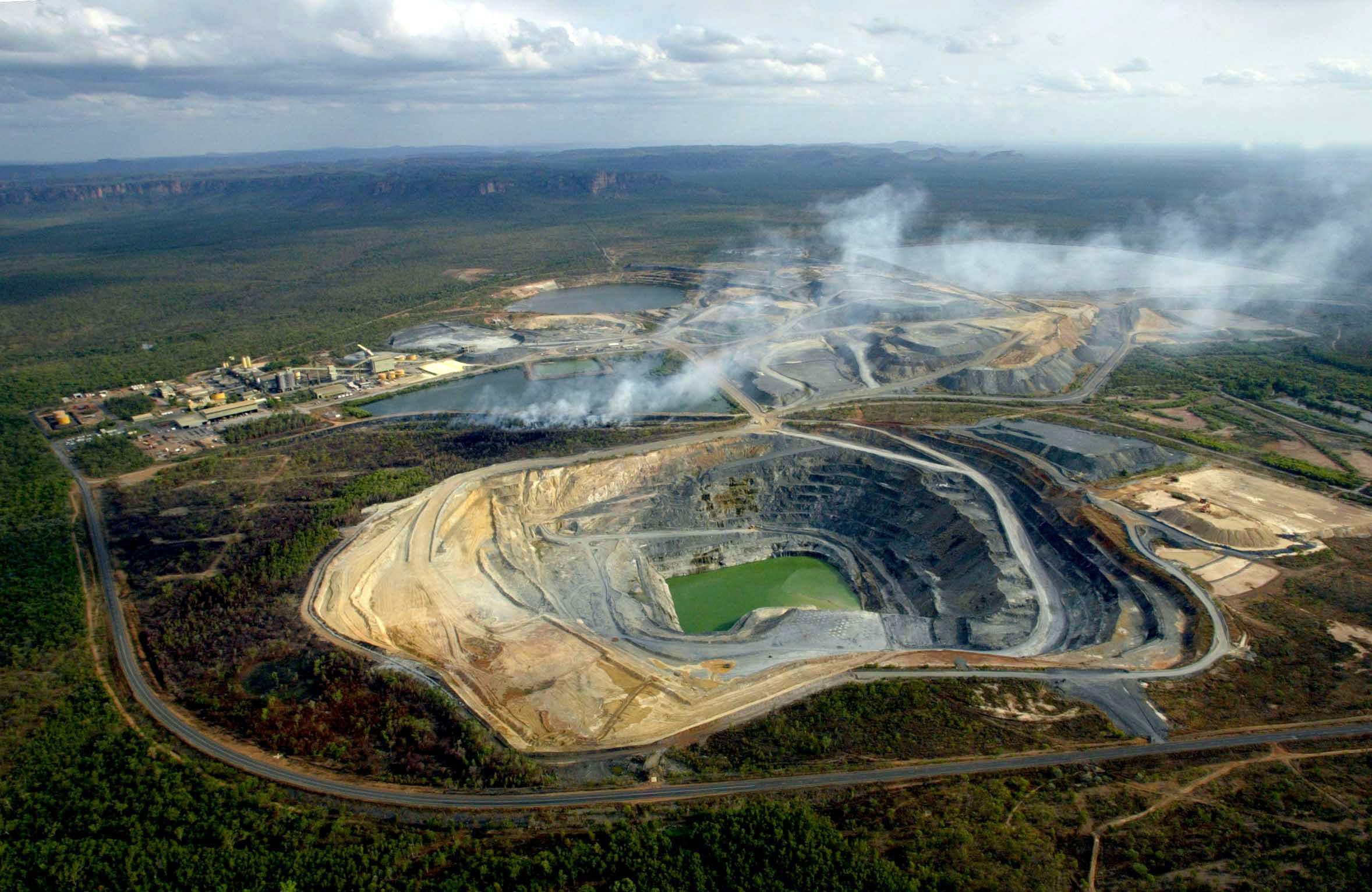
Highlights
- Market Volatility: Uranium prices exhibit significant fluctuations, influenced by supply constraints and geopolitical events.
- Growing Global Demand: Nuclear energy's role as a zero-carbon power solution is driving demand, particularly amid a global nuclear renaissance.
- Supply Challenges: Reduced production outputs, material shortages, and geopolitical tensions continue to shape the uranium supply chain.
Overview of the Nuclear Fuels Landscape
In the current era, the nuclear fuels landscape, particularly pertaining to the value of physical uranium, is characterized by a complex interplay of market dynamics, geopolitical influences, and technological advancements. With a growing global consensus on the need for low-carbon energy sources, nuclear power has witnessed a renewed interest. This resurgence has increased the demand for uranium – a critical component in nuclear fuel production – while supply constraints and volatile price movements underscore the challenges facing the industry.
Market Dynamics and Price Fluctuations
The price of physical uranium has experienced notable volatility over recent times. The market has seen a period of declining prices at the beginning of 2025, with reductions around 10% since the start of the year. Analysts predict that these lower levels, currently estimated at approximately $72 per pound, could rebound towards the $90–$100 range by mid-year. This forecast reflects a combination of rising demand, supply shortages, and strategic investments in the industry.
The volatile nature of uranium prices is influenced by several factors:
- Structural undersupply due to mine production lagging behind growing global demand.
- Cost pressures from extraction challenges, including the scarcity of key inputs like sulfuric acid.
- Fluctuations driven by wider economic trends and shifts in investor sentiment.
Due to these intricate dynamics, investors and policymakers continue to closely monitor trends in both spot and long-term markets, aiming to forecast and mitigate risks associated with sudden price shifts.
Global Demand and the Nuclear Renaissance
The renewed interest in nuclear energy serves as one of the main drivers of the uranium market. As governments around the world grapple with the challenge of reducing carbon emissions, nuclear power emerges as a reliable, low-carbon alternative to fossil fuels. This "nuclear renaissance" is bolstered not only by efforts to modernize and expand nuclear infrastructure but also by investments from non-traditional actors, including major technology companies.
Rising Need for Zero-Carbon Energy
A significant catalyst for increased demand is the global pursuit of decarbonization. Nuclear energy is seen as integral to this transition due to its ability to provide consistent, large-scale electricity generation without the direct emissions associated with fossil fuel combustion. Countries are thus planning new reactors and upgrading existing facilities, anticipating a heightened appetite for nuclear power.
Tech Sector Investments
In addition to traditional energy players, the tech industry is also stepping into the nuclear sector. Leading companies are exploring nuclear energy investments to secure sustainable power for data centers and other high-demand infrastructures. This strategic pivot not only stimulates market activity but also underscores the shifting paradigms of energy security and sustainability.
Supply Constraints and Geopolitical Influences
While the surge in demand provides an optimistic outlook, the physical uranium market is challenged by persistent supply constraints. Global uranium production is being hindered by several factors, including mine production lags, reduced operational targets, and the impact of geopolitical events.
Production Challenges and Material Shortages
Key uranium producers have reported difficulties in maintaining output targets. For example, some major mining operations have temporarily reduced production due to challenges in sourcing essential extraction materials such as sulfuric acid. These production slowdowns contribute to a stable undersupply at a time when demand is increasing due to new nuclear projects.
Impact of Mergers and Acquisitions
In response to these challenges, the sector has seen increased merger and acquisition activities. This consolidation trend is a strategic move by companies aiming to secure higher-grade uranium resources and optimize operational efficiencies. By acquiring or merging with well-positioned firms, industry players are better positioned to navigate supply issues and leverage economies of scale.
Geopolitical Dynamics
Geopolitical factors continue to play a significant role in shaping the uranium market. Conflicts and global tensions, such as those related to the situation in Ukraine and broader regional instabilities, have disrupted supply chains and intensified the scramble for stable uranium sources. Additionally, policies aimed at diversifying away from any single supplier or region further complicate the market dynamics.
Geopolitical uncertainties not only influence immediate spot prices but also affect long-term contracts and future supply forecasts. This uncertainty underlines the importance of strategic, diversified investments to protect against regional supply disruptions.
Investment Outlook and Strategic Trends
The investment outlook for physical uranium remains cautiously optimistic. With fundamental supply challenges juxtaposed against rising global demand, industry experts are anticipating a rebound in uranium prices. Several strategic trends are becoming apparent that are reshaping the market landscape:
Technological and Market Innovations
New technologies, particularly in nuclear reactor design such as small modular reactors (SMRs), are creating opportunities to enhance the efficiency and safety of nuclear power plants. These advancements not only improve the viability of nuclear energy but also increase the attractiveness of uranium as an investment. Enhanced exploration and mining techniques are being deployed to extract higher-grade uranium with greater precision, thereby potentially lowering production costs.
Strategic Company Initiatives
Certain companies are gaining particular attention due to their robust asset portfolios and experienced management teams. Firms that are actively involved in exploration and development projects, especially in high-potential geographical areas, are seen as key beneficiaries in a potentially tighter market. Strategic projects, such as those focusing on advanced exploration techniques and development projects in resource-rich areas, are expected to unlock significant shareholder value over the coming years.
Market Projections and Future Growth
The overall nuclear fuel market is forecast to expand moderately over the next few years. Current estimates suggest modest growth in market size, reflecting both the steady rise in nuclear demand and controlled expansion in uranium production capacity. Even with the uncertainty in short-term price movements, the long-term trend points toward increased uranium consumption as the global focus on clean energy continues to intensify.
Economic Impact and Global Investments
Global economic conditions, particularly those linked to energy security and investment trends, are influencing the nuclear fuel market. Increased governmental support for nuclear projects, along with private sector investments in uranium mining and fuel processing, lays a promising foundation for future growth. This environment is further enriched by the role of nuclear energy in reducing reliance on fossil fuels, ensuring a more resilient and diversified global energy mix.
Detailed Comparison of Market Indicators
To further elucidate the current dynamics of the uranium market, the following table provides a comparative summary of the key market indicators:
| Indicator | Current Value/Status | Key Influences |
|---|---|---|
| Spot Price | \( \$72 \)/lb (approximately) | Volatility, supply constraints, global demand |
| Mid-Year Forecast | \( \$90 - \$100 \)/lb | Rebound expectation, increased nuclear project investments |
| Supply | Undersupplied | Mined production lagging behind demand; material shortages |
| Global Demand Growth | Rising | Nuclear renaissance; decarbonization policies; tech sector investments |
| Market Size (Nuclear Fuel) | \( \$33.28 \) billion in 2024 to \( \$34.52 \) billion in 2025 | Overall industry growth, steady consumption increases |
This comparative summary outlines that while the market currently operates under tight supply conditions, the long-term forecast remains optimistic. The interplay between fluctuating uranium prices and steadily rising demand due to global nuclear energy initiatives is central to understanding the commodity’s value.
Investment Strategies in the Uranium Space
For investors considering exposure to the nuclear fuels market, it is crucial to approach the sector with a balanced view. Strategic investments generally focus on:
Diversified Asset Portfolios
Investors are advised to diversify their exposure across several well-managed companies. Firms with strong exploration projects, centralized mine operations, or novel technologies in reactor design are considered favorable investments. Moreover, strategic acquisitions and mergers within the sector help in stabilizing the supply chain, thereby mitigating risks in a volatile market.
Long-Term Contracting and Risk Mitigation
The use of long-term contracts is another popular strategy that helps buffer the impact of price fluctuations. Such contracts provide a predictable pricing model for nuclear fuel users and reduce exposure to daily spot market volatility. This approach aligns with the broader trend of securing stable, long-term supply agreements in volatile commodity markets.
Technological Integration and Efficiency Gains
Investment in companies that are leveraging technological innovations to enhance extraction efficiency and reduce production costs is also on the rise. The integration of advanced data analytics, automation in mining processes, and improvements in refining techniques are critical areas where cost savings could lead to better margins and increased market competitiveness.
Broader Implications for Energy Policy and Global Markets
The current state of the uranium market does not exist in isolation; it is part of a larger narrative in global energy policy and market infrastructure. As countries worldwide continue to embrace nuclear power as a strategic element of their energy mix, the trajectory of uranium prices and supply security remains tightly interwoven with broader geopolitical and economic agendas.
Energy Security and Decarbonization Efforts
With a sharp focus on reducing environmental footprints and achieving energy independence, many nations are exploring nuclear power upgrades as reliable alternatives to traditional fossil fuels. The inherent advantage of nuclear energy – its minimal carbon emissions and stable output – positions uranium as not only an economic commodity but also as a critical asset in the fight against climate change.
Global Market Integration
The uranium market is increasingly influenced by international market integration. As trade restrictions and geopolitical tensions affect traditional supply channels, market participants are compelled to diversify their sourcing and investing strategies. This integration is evident in the cross-border deals, import diversification efforts, and collaborations that seek to fair-share the risks and rewards in uranium supply dynamics.
Summary of Market Outlook and Strategic Considerations
In summary, the landscape for physical uranium is one of high complexity and dynamic shifts. While short-term volatility continues to be driven by supply constraints, geopolitical events, and market sentiment, the long-term outlook appears promising due to steady demand growth stemming from the nuclear renaissance and global decarbonization efforts.
Key Market Takeaways
Investors and policymakers should pay close attention to the following:
- Ongoing market volatility requires strategic maneuvering in both spot and long-term markets.
- The rising global demand for nuclear energy is expected to steadily elevate the value of physical uranium.
- Supply-side challenges, including production constraints and geopolitical risks, remain a crucial consideration for future market stability.
Navigating these factors effectively involves a balanced approach that accounts for both near-term fluctuations and long-term structural trends. Companies that embrace innovation, secure stable long-term contracts, and diversify their asset base are more likely to thrive in this challenging yet opportunity-rich environment.
References
- Uranium 2025 Opportunities - Hane ETF Insights
- 2025 Uranium Outlook - Carbon Credits
- Uranium Price Chart - Trading Economics
- Strategic Investment in Uranium - Crux Investor
- Uranium Outlook for 2025 - Sprott
- Uranium Market Forecast - Investing News
- 2025 Market Outlook - NAI 500
- Uranium Spot Price Analysis - ANS
- Uranium Forecast - Investing News
- Uranium Price Forecast - Techopedia
Recommended Related Queries
Last updated February 28, 2025