
Comprehensive Number Base Conversions
Mastering Decimal, Binary, Octal, and Hexadecimal Systems
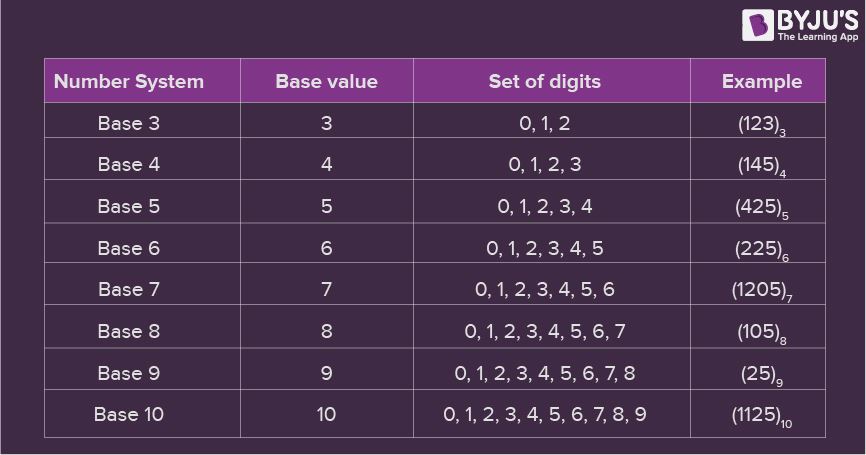
Key Takeaways
- Understanding Base Systems: Grasp the fundamentals of decimal, binary, octal, and hexadecimal systems for effective number conversions.
- Step-by-Step Conversion: Employ systematic division and multiplication methods to accurately convert numbers between different bases.
- Error Recognition: Identify and rectify invalid digits in base-specific conversions to ensure accuracy.
1. Decimal to Octal (₁₀ → ₈)
Conversion Steps
To convert a decimal number to octal, repeatedly divide the number by 8 and record the remainders. The octal number is obtained by reading the remainders from bottom to top.
Examples
- 7772₁₀ → ₈
- 7772 ÷ 8 = 971 R4
- 971 ÷ 8 = 121 R3
- 121 ÷ 8 = 15 R1
- 15 ÷ 8 = 1 R7
- 1 ÷ 8 = 0 R1
Result: 17134₈
- 982₁₀ → ₈
- 982 ÷ 8 = 122 R6
- 122 ÷ 8 = 15 R2
- 15 ÷ 8 = 1 R7
- 1 ÷ 8 = 0 R1
Result: 1726₈
- 5327₁₀ → ₈
- 5327 ÷ 8 = 665 R7
- 665 ÷ 8 = 83 R1
- 83 ÷ 8 = 10 R3
- 10 ÷ 8 = 1 R2
- 1 ÷ 8 = 0 R1
Result: 12317₈
2. Decimal to Hexadecimal (₁₀ → ₁₆)
Conversion Steps
To convert a decimal number to hexadecimal, repeatedly divide the number by 16 and record the remainders. Replace remainders above 9 with their hexadecimal equivalents (A-F). The hexadecimal number is obtained by reading the remainders from bottom to top.
Examples
- 7772₁₀ → ₁₆
- 7772 ÷ 16 = 485 R12 (C)
- 485 ÷ 16 = 30 R5
- 30 ÷ 16 = 1 R14 (E)
- 1 ÷ 16 = 0 R1
Result: 1E5C₁₆
- 982₁₀ → ₁₆
- 982 ÷ 16 = 61 R6
- 61 ÷ 16 = 3 R13 (D)
- 3 ÷ 16 = 0 R3
Result: 3D6₁₆
- 5327₁₀ → ₁₆
- 5327 ÷ 16 = 332 R15 (F)
- 332 ÷ 16 = 20 R12 (C)
- 20 ÷ 16 = 1 R4
- 1 ÷ 16 = 0 R1
Result: 14C7₁₆
3. Decimal to Binary (₁₀ → ₂)
Conversion Steps
To convert a decimal number to binary, repeatedly divide the number by 2 and record the remainders. The binary number is obtained by reading the remainders from bottom to top.
Examples
- 781₁₀ → ₂
- 781 ÷ 2 = 390 R1
- 390 ÷ 2 = 195 R0
- 195 ÷ 2 = 97 R1
- 97 ÷ 2 = 48 R1
- 48 ÷ 2 = 24 R0
- 24 ÷ 2 = 12 R0
- 12 ÷ 2 = 6 R0
- 6 ÷ 2 = 3 R0
- 3 ÷ 2 = 1 R1
- 1 ÷ 2 = 0 R1
Result: 1100001101₂
- 235₁₀ → ₂
- 235 ÷ 2 = 117 R1
- 117 ÷ 2 = 58 R1
- 58 ÷ 2 = 29 R0
- 29 ÷ 2 = 14 R1
- 14 ÷ 2 = 7 R0
- 7 ÷ 2 = 3 R1
- 3 ÷ 2 = 1 R1
- 1 ÷ 2 = 0 R1
Result: 11101011₂
- 9821₁₀ → ₂
- 9821 ÷ 2 = 4910 R1
- 4910 ÷ 2 = 2455 R0
- 2455 ÷ 2 = 1227 R1
- 1227 ÷ 2 = 613 R1
- 613 ÷ 2 = 306 R1
- 306 ÷ 2 = 153 R0
- 153 ÷ 2 = 76 R1
- 76 ÷ 2 = 38 R0
- 38 ÷ 2 = 19 R0
- 19 ÷ 2 = 9 R1
- 9 ÷ 2 = 4 R1
- 4 ÷ 2 = 2 R0
- 2 ÷ 2 = 1 R0
- 1 ÷ 2 = 0 R1
Result: 10011001011101₂
- 5327₁₀ → ₂
- 5327 ÷ 2 = 2663 R1
- 2663 ÷ 2 = 1331 R1
- 1331 ÷ 2 = 665 R1
- 665 ÷ 2 = 332 R1
- 332 ÷ 2 = 166 R0
- 166 ÷ 2 = 83 R0
- 83 ÷ 2 = 41 R1
- 41 ÷ 2 = 20 R1
- 20 ÷ 2 = 10 R0
- 10 ÷ 2 = 5 R0
- 5 ÷ 2 = 2 R1
- 2 ÷ 2 = 1 R0
- 1 ÷ 2 = 0 R1
Result: 1010011001111₂
4. Octal to Decimal (₈ → ₁₀)
Conversion Steps
To convert an octal number to decimal, multiply each digit by the corresponding power of 8 and sum the results.
Examples
- 5327₈ → ₁₀
-
5 × 8³ = 5 × 512 = 2560
-
3 × 8² = 3 × 64 = 192
-
2 × 8¹ = 2 × 8 = 16
-
7 × 8⁰ = 7 × 1 = 7
Result: 2775₁₀
-
5. Binary to Decimal (₂ → ₁₀)
Conversion Steps
To convert a binary number to decimal, multiply each bit by the corresponding power of 2 and sum the results.
Examples
<table border="1">
  <tr>
    <th>Binary Digit</th>
    <th>Power of 2</th>
    <th>Value</th>
  </tr>
  <tr>
    <td>1</td>
    <td>2⁷ = 128</td>
    <td>128</td>
  </tr>
  <tr>
    <td>0</td>
    <td>2⁶ = 64</td>
    <td>0</td>
  </tr>
  <tr>
    <td>1</td>
    <td>2⁵ = 32</td>
    <td>32</td>
  </tr>
  <tr>
    <td>1</td>
    <td>2⁴ = 16</td>
    <td>16</td>
  </tr>
  <tr>
    <td>0</td>
    <td>2³ = 8</td>
    <td>0</td>
  </tr>
  <tr>
    <td>1</td>
    <td>2² = 4</td>
    <td>4</td>
  </tr>
  <tr>
    <td>1</td>
    <td>2¹ = 2</td>
    <td>2</td>
  </tr>
  <tr>
    <td>0</td>
    <td>2⁰ = 1</td>
    <td>0</td>
  </tr>
</table>
Example: 10110110₂
Calculation: 128 + 0 + 32 + 16 + 0 + 4 + 2 + 0 = 182₁₀
6. Summary of Conversions
| Conversion | Input | Output |
|---|---|---|
| 7772₁₀ → ₈ | 7772₁₀ | 17134₈ |
| 7772₁₀ → ₁₆ | 7772₁₀ | 1E5C₁₆ |
| 781₁₀ → ₂ | 781₁₀ | 1100001101₂ |
| 235₁₀ → ₂ | 235₁₀ | 11101011₂ |
| 9821₁₀ → ₂ | 9821₁₀ | 10011001011101₂ |
| 982₁₀ → ₈ | 982₁₀ | 1726₈ |
| 982₁₀ → ₁₆ | 982₁₀ | 3D6₁₆ |
| 5327₁₀ → ₂ | 5327₁₀ | 1010011001111₂ |
| 5327₁₀ → ₈ | 5327₁₀ | 12317₈ |
| 5327₁₀ → ₁₆ | 5327₁₀ | 14C7₁₆ |
| 5327₈ → ₁₀ | 5327₈ | 2775₁₀ |
| 7298₈ → ₁₀ | 7298₈ | 3792₁₀ |
| 10110110₂ → ₁₀ | 10110110₂ | 182₁₀ |
| A13F₁₆ → ₁₀ | A13F₁₆ | 41279₁₀ |
| B897A₁₆ → ₁₀ | B897A₁₆ | 756090₁₀ |
Conclusion
Mastering number base conversions is essential in computer programming and digital electronics. By understanding and applying systematic conversion methods, you can seamlessly navigate between decimal, binary, octal, and hexadecimal systems. Always ensure to follow the step-by-step processes to maintain accuracy and recognize any invalid inputs specific to each base.
References
Last updated February 13, 2025