
Nurse Formation Impact on Nephrology Care Quality
Exploring how advanced education influences complications and infections
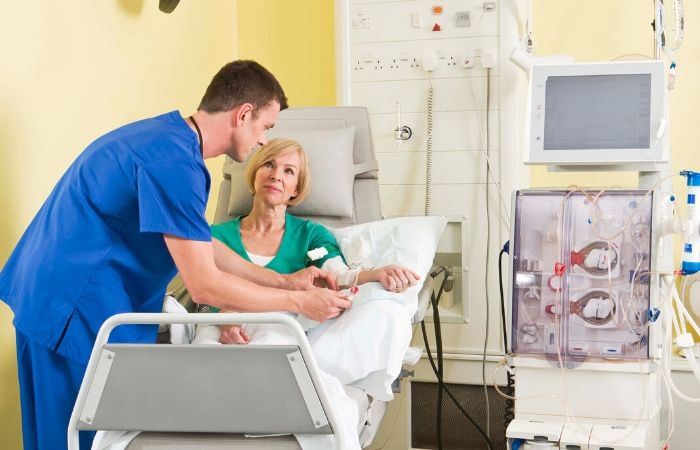
Key Highlights
- Specialized Training and Certification – Comprehensive training in nephrology nursing improves infection control protocols and patient safety.
- Enhanced Patient Care – Well-educated nurses are more effective in monitoring, early detection, and management of complications.
- Interdisciplinary Collaboration – Structured formation encourages teamwork and integration of evidence-based practices, reducing adverse events.
Introduction to Nurse Formation in Nephrology
Nurse formation, defined by the cumulative education, specialized training, and continuous professional development of nurses, plays an indispensable role in nephrology care. With the increasing complexity of patient needs — particularly in settings such as hemodialysis and renal care units — the relationship between nurse formation and the rates of complications and infections has become a subject of critical importance. This comprehensive discussion details the impact of education and training on such outcomes, emphasizing the need for quality nurse formation to ensure improved patient safety and healthcare performance.
The Role of Specialized Training and Education
Specialized Knowledge and Skill Acquisition
Nephrology nursing is a highly specialized field requiring an in-depth understanding of kidney diseases as well as the intricate procedures associated with dialysis treatment. Nurses in this field must be well-versed in the technical aspects of managing dialysis equipment, interpreting clinical assessments, and administering treatments efficiently. The advent of structured training programs and certification courses — such as those offered by the Nephrology Nursing Certification Commission (NNCC) and the American Nephrology Nurses Association (ANNA) — ensure nurses gain the necessary competencies. This specialized formation supports:
- Technical Proficiency: Mastery over dialysis machinery and understanding complications related to treatment such as hypotension, arrhythmia, or infection.
- Best Practices in Infection Control: Deep insights into strict adherence to sterile techniques, catheter care, and environmental hygiene protocols.
- Clinical Decision Making: Enhanced ability to detect early signs of complications and implement best-practice interventions.
Certification and Continuous Professional Development
Certification acts as a rigorous affirmation of a nurse's expertise in nephrology care. Beyond initial educational qualifications, maintaining certifications necessitates ongoing learning and participation in continuing education courses. This continual updating of skills ensures that nurses remain abreast of the latest protocols, guidelines, and technological advances that are pivotal in reducing complications and infections. Research suggests:
- Structured certification processes correlate with improved nursing practices, reflected in lower rates of healthcare-associated infections.
- Regular updates and professional courses foster patient education techniques that empower patients to participate in their care actively.
- Ongoing training leads to a stronger interdisciplinary collaboration, enhancing overall care coordination.
Impact on Infection Control and Complication Rates
Enhanced Infection Prevention Protocols
One of the most significant benefits derived from rigorous nurse formation is the marked improvement in infection prevention. Nephrology nurses receive extensive training on infection control practices, such as:
- Hand Hygiene and Aseptic Techniques: Fundamental skills that reduce the incidence of central line-associated bloodstream infections (CLABSIs) and other hospital-acquired infections.
- Cather Management: Proper maintenance and regular assessment of catheters used during dialysis are critical in preventing bacterial infections.
- Surveillance and Monitoring: Continuous monitoring allows for early detection of signs of infection, enabling prompt intervention before complications arise.
The emphasis on infection control within training curriculums has been reflected in clinical studies, where rigorous formation of nurses has directly correlated with decreased infection rates in nephrology units. The competency in infection control not only protects the patient but also enhances overall unit safety by establishing a culture of vigilance and proactive care.
Reduction in Complications Through Early Identification
The relationship between nurse formation and complication rates goes beyond infection control. Well-trained nephrology nurses are equipped to recognize early warning signs of various complications, thereby facilitating timely interventions. Some of these essential aspects include:
- Symptom Management: Specialized education in symptom recognition allows nurses to identify subtle changes in a patient’s condition, whether it be fluid overload, electrolyte imbalances, or hemodynamic instability.
- Risk Assessment: Through comprehensive physical, psychological, and social assessments, trained nurses can quickly gauge a patient’s risk levels and escalate care as needed.
- Patient Education: Educating patients about their condition, treatment modalities, and self-care practices can substantially reduce the likelihood of preventable complications, as informed patients are more likely to adhere to therapeutic guidelines.
In scenarios of hemodialysis, these competencies allow for swift adjustments to treatment regimens, minimizing adverse reactions and ensuring that complications are managed with a collaborative approach involving the entire healthcare team.
Role of Computer-Assisted Learning
Computer-assisted learning (CAL) modules have become increasingly important tools in the continuous education of nephrology nurses. These modules provide interactive, self-paced education that allows nurses to enhance their knowledge base and become familiar with new technologies and procedures in a safe virtual environment. CAL modules offer:
- Standardized training that ensures consistency in the delivery of key information.
- Flexible learning opportunities that can be adapted based on the nurse’s pace and prior experience.
- Integration of simulation-based practices that mimic real-life clinical scenarios, thereby preparing nurses for high-risk situations in nephrology care.
This training approach not only strengthens clinical skills but also builds confidence among practitioners, ultimately fostering a barrier-free environment where effective patient care can flourish.
Interdisciplinary Collaboration and Its Effects
Team Dynamics in Nephrology Units
The work environment in a nephrology unit is inherently complex, often involving a multidisciplinary team including physicians, dietitians, technicians, and specialized nurses. Effective nurse formation encourages teamwork by ensuring that all team members share a common foundation of knowledge and follow standardized protocols. This collaboration is crucial for:
- Consistent Communication: Frequent and precise communication between team members reduces redundancies and errors, especially when managing complications or adjusting treatment plans.
- Shared Decision Making: The integration of care strategies across specialties allows for a holistic approach to patient care, reducing the likelihood of fragmented treatment methodologies.
- Quality Improvement Initiatives: Teams that are engaged and well-informed are more likely to participate in continuous quality improvement projects, which are instrumental in lowering risks associated with complications and infections.
Nurse-Led Educational Interventions
Education does not stop at the bedside; it extends into active leadership roles where nurses initiate and oversee training sessions, quality improvement projects, and research initiatives. These nurse-led interventions are essential for:
- Updating Best Practices: Regularly reviewing and disseminating the latest evidence-based practices ensures that the entire team is aligned with current standards of care.
- Mentorship and Training: Experienced nephrology nurses often take on mentorship roles, guiding new nurses through real-world application of theoretical knowledge. This hands-on education reinforces learning and fosters a culture of continuous development.
- Collaborative Research: Participation in research projects not only improves clinical practices but also contributes to the growing body of evidence that correlates nurse formation with improved patient outcomes.
Practical Outcomes and Empirical Data
Insights from Clinical Studies and Observations
A multitude of clinical studies have provided empirical support for the significant relationship between nurse formation and patient outcomes in nephrology care. The data consistently demonstrates:
- Lower Infection Rates: Units with highly trained nurses report reduced incidences of central line-associated bloodstream infections (CLABSIs) and other dialysis-related infections.
- Decreased Complication Incidence: Advanced symptom management and early detection capabilities contribute to fewer occurrences of complications, including fluid overload, blood pressure irregularities, and electrolyte imbalances.
- Improved Patient Satisfaction: Patients under the care of well-educated nurses report better experiences due to the proactive engagement and clarity in communication regarding their treatments and care protocols.
Comparative Table of Key Outcomes
| Key Aspect | Impact of Nurse Formation | Observed Outcomes |
|---|---|---|
| Technical Proficiency | Enhanced equipment management and precision in treatments | Reduction in dialysis mishandling incidents |
| Infection Control | Thorough training in aseptic techniques and catheter care | Decreased rates of CLABSIs and other infections |
| Symptom Monitoring | Early identification of adverse signs through continuous assessment | Lower occurrences of severe complications |
| Patient Education | Empowering patients with knowledge about self-care and treatment adherence | Higher patient compliance and satisfaction |
| Team Collaboration | Improved multidisciplinary coordination through shared protocols | Integrated care leading to overall enhanced healthcare quality |
Beyond the Basics: Advancements in Nephrology Nursing
Emerging Technologies and Future Trends
The ongoing evolution within nephrology care is set to further improve the outcomes related to complications and infections. Innovations such as telemedicine, advanced diagnostic tools, and simulation-based training programs are being incorporated into nurse formation strategies. Such advancements include:
- Telemedicine and Remote Monitoring: These technologies enable continuous assessment of patients, facilitating rapid response in case of complications.
- Simulation Training: High-fidelity simulation scenarios allow nurses to practice managing rare or severe complications in a controlled environment.
- Data-Driven Decision Making: Advances in electronic health record (EHR) systems help in tracking infection trends and complications, thereby supporting evidence-based practice improvements.
These technological integrations into nurse formation not only refine clinical skills but also empower nurses with real-time data, thus enhancing their capacity to make informed decisions under pressure.
Linking Education to Practice Improvement
In addition to technological enhancements, structured nurse formation emphasizes continuous quality improvement, aligning educational programs with evolving clinical best practices. As hospitals and dialysis centers increasingly adopt standardized training modules, the correlation between thorough nurse formation and improved patient outcomes becomes more pronounced. These initiatives are often supported by rigorous audits, periodic re-certifications, and structured feedback mechanisms, which help maintain the quality and consistency of care.
Interrelated Factors Influencing Infection and Complication Rates
Environmental and Organizational Considerations
It is important to appreciate that the benefits of advanced nurse formation are interwoven with broader environmental and organizational factors. Elements such as staffing levels, work environment quality, and access to up-to-date resources all contribute significantly to patient outcomes. Key organizational strategies include:
- Staffing Ratios: Appropriate nurse-to-patient ratios ensure that each patient receives the attention needed for early detection and intervention.
- Continuous Quality Improvements: Regular training sessions combined with real-time performance audits help maintain high standards of care.
- Integrated Health Systems: Seamless coordination between various departments enhances the overall responsiveness to emerging infection risks and complications.
When these organizational strategies are paired with meticulous nurse formation, the resulting synergy significantly lowers complication and infection rates in nephrology care. Such a holistic approach underlines the necessity of investing in high-quality, continuous education and ensuring that all team members operate within an environment that fosters excellence.
Practical Applications and Recommendations
Best Practices for Reducing Risks
Drawing from empirical data and collective clinical experiences, several best practices have emerged that highlight the importance of nurse formation in managing nephrology care risks. These practices include:
- Regular Training Updates: Implement periodic refresher courses on infection control and complication management to keep nursing staff current with best practices.
- Simulation-Based Learning: Adopt simulation programs which mimic high-risk scenarios to ensure that nurses can effectively manage unforeseen complications.
- Mentor Programs: Develop mentorship initiatives that pair experienced nephrology nurses with new recruits, ensuring that crucial practical knowledge is passed along.
- Multidisciplinary Rounds: Encourage regular interdisciplinary team meetings to discuss patient outcomes and review updated protocols, ensuring cohesive patient care strategies.
- Data Analytics: Leverage data from patient outcomes to refine training programs and develop interventions that directly focus on lowering complication rates.
Institutional Support for Continuous Learning
Healthcare institutions are increasingly recognizing the need for supporting nurse formation through dedicated training budgets, solid infrastructure for continuing education, and fostering a culture of professional growth. These actions not only build a robust workforce but also establish a safety net that significantly mitigates complications and infections in high-risk nephrology settings.
References & Further Reading
- Nephrology Nursing Certification - NNCC
- Learning Modules for Nephrology Nurses - ANNA
- Complications in Nephrology and Training Impacts - PubMed
-
Peer Reviewed Articles on Nephrology Nursing - PMC
- Role of the Nephrology Nurse - RegisteredNursing.org
Recommended Queries for Deeper Insights
Last updated March 17, 2025