
Impact of Phosphorus and Nitrogen Addition on Plant Resource Allocation
Understanding how essential nutrients shape plant growth and ecosystem dynamics
Key Takeaways
- Nitrogen addition primarily enhances aboveground growth, altering plant biomass distribution.
- Phosphorus supplementation alleviates nutrient limitations, promoting efficient resource use.
- Combined nitrogen and phosphorus inputs can synergistically influence plant and ecosystem functions.
Effects of Nitrogen Addition on Resource Allocation
Biomass Allocation
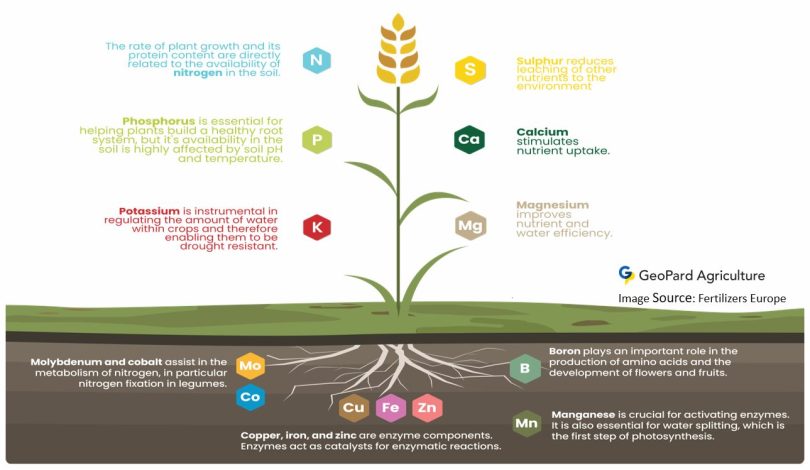
Nitrogen (N) is a critical nutrient for plant growth, significantly influencing biomass distribution within plant structures. The addition of nitrogen typically promotes an increase in aboveground biomass, particularly in leaves and stems. This shift is because nitrogen is essential for the synthesis of proteins involved in photosynthesis and other metabolic processes critical for vegetative growth. As a result, plants may allocate more resources towards these aboveground parts, enhancing their capacity for light capture and photosynthetic efficiency.
Physiological Changes
Beyond biomass allocation, nitrogen addition affects various physiological aspects of plants. Increased nitrogen availability can enhance photosynthetic capacity by boosting the production of chlorophyll and photosynthetic enzymes. Additionally, nitrogen influences the carbon-nitrogen-phosphorus (C:N:P) ratios within plant tissues, which are crucial for maintaining metabolic balance and growth processes. However, excessive nitrogen can lead to nutrient imbalances, particularly if phosphorus remains limited, potentially constraining further growth and altering metabolic pathways.
Long-term Ecosystem Responses
Over extended periods, continuous nitrogen addition can lead to significant changes in ecosystem dynamics. In nitrogen-saturated systems, the benefits of additional nitrogen may plateau, and plants may begin to exhibit phosphorus deficiencies. This shift results from the altered nutrient cycling and reduced carbon-to-nitrogen ratios in both plant tissues and soil organic matter. Consequently, plants may adjust their resource allocation strategies, potentially reducing root biomass investment if phosphorus becomes the new limiting factor.
Species-Specific Responses
Different plant species respond uniquely to nitrogen addition, influenced by their inherent traits and ecological strategies. Fast-growing, nitrophilous species often thrive with increased nitrogen availability, potentially outcompeting slower-growing or nitrogen-sensitive species. This shift can alter community composition and reduce biodiversity if dominant species monopolize the enhanced resources. Additionally, species that rely heavily on mycorrhizal associations for nutrient uptake may adjust their allocation towards root structures or symbiotic relationships in response to nitrogen enrichment.
Effects of Phosphorus Addition on Resource Allocation
Biomass Allocation
Phosphorus (P) plays a pivotal role in energy transfer, nucleic acid synthesis, and membrane structure within plants. The addition of phosphorus often leads to a reduction in the necessity for extensive root systems or specialized structures like cluster roots, which are typically developed to enhance phosphorus acquisition in deficient conditions. With alleviated phosphorus limitations, plants can reallocate resources from root growth towards aboveground structures, optimizing light capture and reproductive efforts.
Physiological Changes
Phosphorus supplementation enhances various physiological processes in plants. Improved phosphorus availability supports increased ATP production, vital for energy-dependent processes such as nutrient uptake and biosynthetic activities. This enhancement can lead to more robust growth and improved stress resistance. Additionally, phosphorus affects the C:N:P stoichiometry within plant tissues, optimizing metabolic functions and supporting sustainable growth patterns when balanced with other nutrients like nitrogen.
Soil Nutrient Cycling
Phosphorus addition significantly impacts soil nutrient cycling and microbial communities. Enhanced phosphorus availability can stimulate microbial activities involved in phosphorus transformation and mineralization, improving overall soil fertility. Moreover, increased phosphorus can influence the production of soil enzymes that facilitate nutrient breakdown and uptake, further supporting plant growth and ecosystem productivity. However, excessive phosphorus inputs may lead to environmental concerns such as eutrophication in adjacent water bodies.
Species-Specific Responses
Similar to nitrogen, phosphorus addition elicits varied responses across different plant species. Species that are inherently more efficient at phosphorus uptake or those adapted to phosphorus-rich environments may benefit more from supplementation, potentially altering competitive dynamics within plant communities. Additionally, the interaction between phosphorus availability and other nutrients, particularly nitrogen, can influence how individual species allocate resources to different plant parts, affecting overall community structure and diversity.
Combined Effects of Nitrogen and Phosphorus Additions
Synergistic Interactions
The simultaneous addition of nitrogen and phosphorus can lead to synergistic effects that are distinct from the impacts of each nutrient alone. When both nutrients are plentiful, plants can maximize their growth potential by simultaneously enhancing photosynthetic capacity and energy transfer mechanisms. This co-addition can result in more balanced C:N:P ratios within plant tissues, supporting both rapid biomass accumulation and efficient nutrient utilization.
Resource Allocation Patterns
Combined nitrogen and phosphorus inputs influence how plants distribute resources between roots and shoots. When both nutrients are readily available, plants may reduce investment in nutrient acquisition structures and allocate more resources to aboveground growth and reproductive structures. This shift can enhance competitive ability in environments where light capture and reproduction are advantageous, altering plant community dynamics and potentially favoring species that can capitalize on these changes.
Ecosystem and Microbial Implications
At the ecosystem level, the balanced addition of nitrogen and phosphorus can stabilize nutrient cycling processes and support diverse microbial communities. Microbes involved in nitrogen and phosphorus transformations can function more efficiently when nutrient supplies are balanced, promoting sustained soil fertility and ecosystem resilience. Additionally, balanced nutrient inputs can mitigate the risk of nutrient imbalances that might otherwise lead to reduced biodiversity or altered decomposition rates.
Ecological and Practical Implications
Impact on Biodiversity and Ecosystem Structure
Alterations in resource allocation due to nitrogen and phosphorus additions can have profound effects on biodiversity and ecosystem structure. Enhanced aboveground growth may favor species that can rapidly capitalize on increased light availability, potentially suppressing less competitive species and reducing overall plant diversity. Changes in root biomass and soil nutrient dynamics can also influence habitat structures and interactions with soil fauna, further impacting ecosystem complexity and resilience.
Management Practices
Understanding the effects of nutrient additions is essential for effective ecosystem management and agricultural practices. In agricultural settings, balanced fertilization with both nitrogen and phosphorus can optimize crop yields while minimizing environmental impacts such as nutrient runoff and soil degradation. In restoration ecology, targeted nutrient additions can facilitate the recovery of degraded ecosystems by promoting desired plant species and enhancing soil health. However, careful management is required to avoid unintended consequences such as nutrient imbalances or shifts in competitive dynamics that could undermine restoration goals.
Summary of Effects
| Nutrient Addition | Primary Effects on Resource Allocation | Long-term Implications |
|---|---|---|
| Nitrogen | Increases aboveground biomass, enhances photosynthesis, may reduce root investment | Potential phosphorus limitation, altered nutrient cycling, shifts in species competition |
| Phosphorus | Reduces need for extensive root systems, promotes energy transfer processes | Enhanced microbial activity, improved soil fertility, balanced nutrient ratios |
| Nitrogen + Phosphorus | Synergistic growth enhancement, balanced biomass distribution | Stable nutrient cycling, sustained ecosystem resilience, diversified plant communities |
Conclusion
The addition of nitrogen and phosphorus significantly influences plant resource allocation, with profound implications for plant growth, ecosystem dynamics, and biodiversity. Nitrogen primarily boosts aboveground growth and photosynthetic capacity, while phosphorus alleviates nutrient limitations and enhances energy transfer mechanisms. The combined addition of these nutrients can synergistically optimize plant growth and stabilize ecosystem functions, provided that nutrient balances are carefully managed. Understanding these interactions is crucial for informed ecosystem management, agricultural practices, and conservation efforts aimed at sustaining healthy and resilient ecosystems.
References
Last updated February 8, 2025