
Review Paper on Nutrient Use Efficiency and Plant Hormones
Comprehensive Sources for Nutrient Use Efficiency and Hormonal Regulation Research
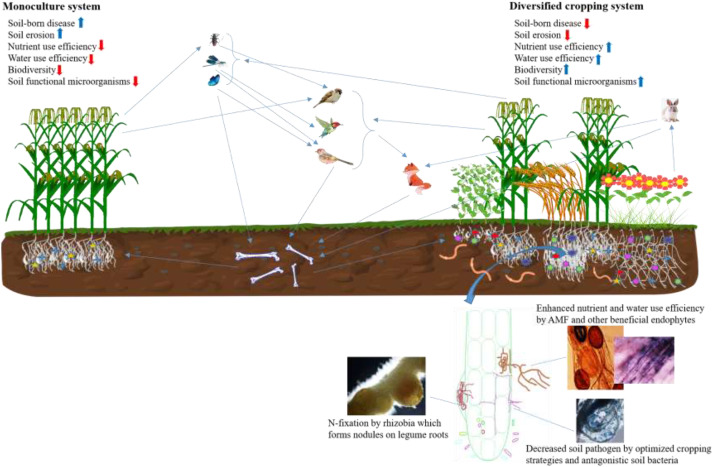
Highlights
- Key Roles of Plant Hormones: Detailed insights into how auxins, cytokinins, ABA, GAs, BRs, ethylene, JA, and SA affect nutrient uptake, root development, and stress responses.
- NUE Challenges & Environmental Influences: Extensive analysis of the difficulties in nutrient uptake and utilization amid variable environmental conditions and sustainable agriculture approaches.
- Hormonal Engineering Prospects: Exploration of advanced strategies to optimize plant hormone pathways for improved nutrient use efficiency and crop productivity.
1. Introduction
Importance of Nutrient Use Efficiency in Agriculture
Nutrient use efficiency (NUE) is critical for sustainable agriculture as it dictates how effectively crops utilize applied fertilizers. High NUE not only leads to improved yields but also minimizes environmental hazards such as nutrient runoff, soil degradation, and greenhouse gas emissions. Sustainable intensification and precision fertilization are strategies integral to enhancing NUE.
Challenges of Nutrient Uptake and Utilization Under Varying Environmental Conditions
Environmental variability, including extremes in soil pH, moisture, and temperature, poses significant challenges to nutrient uptake. Soil salinity, acidity, and alkalinity can limit nutrient availability and lead to toxic accumulations or severe deficiencies. The interplay between abiotic stresses and nutrient accessibility necessitates a deep understanding of plant physiology under natural field conditions. Recent literature emphasizes the need to adopt adaptive management practices that can mitigate these limitations via improved crop rotation, conservation tillage, and precision agriculture.
Role of Plant Hormones in Regulating Nutrient Acquisition, Transport, and Storage
Plant hormones act as pivotal signaling molecules mediating internal plant responses to external nutrient variations. Hormones such as auxins, cytokinins, and abscisic acid influence root architecture, nutrient mobilization, and stress responses. Their integrated actions ensure that nutrients are not only efficiently acquired but also appropriately allocated for growth and defense mechanisms. By modulating gene expression and enzyme activities, these hormones regulate processes such as nutrient transport, metabolite storage, and even senescence in leaves.
Concept of Hormonal Engineering for Improving NUE in Crops
Hormonal engineering entails the manipulation of plant hormone biosynthesis and signaling pathways to optimize nutrient uptake and utilization. Through targeted genetic modifications or exogenous application of hormones, researchers are exploring avenues to enhance crop resilience to environmental stressors while maximizing nutrient efficiency. Techniques in hormonal engineering aim to fine-tune the cross-talk between hormones, thereby offering promising avenues for breeding crops that can endure nutrient-poor conditions.
2. Overview of Plant Hormones in Nutrient Regulation
Auxins (IAA): Root Development and Nutrient Uptake Efficiency
Auxins, particularly indoleacetic acid (IAA), are central to promoting root elongation and lateral root formation, which is fundamental for optimizing nutrient uptake. Root architecture modifications enhance the ability of plants to explore the soil for nutrients, increasing overall absorption efficiency. Literature sources suggest robust correlations between auxin signaling pathways and improved nutrient accumulation.
Cytokinins (CKs): Nutrient Mobilization and Leaf Senescence Regulation
Cytokinins regulate nutrient allocation by delaying leaf senescence and maintaining the sink-source dynamics within plants. Their role in promoting chloroplast biogenesis also contributes to better photosynthetic performance, which reinforces the overall nutrient supply chain within the plant system. Cytokinin-mediated signaling helps in redistributing nutrients from aging leaves to emerging tissues, thereby ensuring sustained growth.
Abscisic Acid (ABA): Drought Response and Ion Homeostasis
ABA is predominantly known for its role in stress responses, particularly in drought conditions. Under water-deficit scenarios, ABA levels increase, triggering stomatal closure to conserve water and ensuring plants maintain ion balance. This hormone’s involvement in ion channel regulation also contributes to steady nutrient uptake even when external conditions are suboptimal.
Gibberellins (GAs): Root Growth and Nutrient Transport
Gibberellins (GAs) are essential for triggering cell elongation in roots, thereby enhancing the capabilities of the root system to absorb and transport nutrients. They are implicated in promoting meristematic activity, which facilitates a dynamic root growth response in varied soil environments. Recent studies have highlighted GA’s influential role in lateral root formation and nutrient transport efficiency.
Brassinosteroids (BRs): Enhanced Nutrient Acquisition Under Stress
Brassinosteroids serve as potent regulators that improve plant tolerance to various stressors while optimizing nutrient acquisition. They modulate antioxidant enzyme activity, which helps plants counteract oxidative stress during nutrient scarcity or imbalance, ultimately improving the plant's ability to absorb and assimilate nutrients under adverse conditions.
Ethylene (ET): Regulation of Nutrient Stress Responses
Ethylene is a gaseous hormone that plays a significant role in modulating plant responses to nutrient deficiencies, particularly under salinity and drought stress. Ethylene affects root hair elongation and activates numerous signaling pathways that adjust the metabolic processes associated with nutrient uptake. Its interaction with other hormones further fine-tunes the plant's adaptive response to stress.
Jasmonic Acid (JA) and Salicylic Acid (SA): Defense-Related Nutrient Allocation
Jasmonic acid and salicylic acid are primarily linked with the plant's defense mechanisms. During pathogen attack or pest infestation, these hormones help reprioritize nutrient allocation to bolster defense responses. They often work in synergy or antagonistically to regulate processes that not only defend the plant but also ensure that essential nutrients are directed towards immune responses, thus preserving overall plant vigor.
Compilation of Sources by Topic
Table of Key References
| Section | Source Description | Link |
|---|---|---|
| Introduction & NUE Overview | Overview on NUE significance and challenges in modern agriculture, discussing soil conditions and sustainable practices. | Springer - Plant and Soil |
| Introduction & Environmental Challenges | Article discussing nutrient uptake challenges under changing environmental factors and climate stress in plants. | Nature Plants |
| Auxins (IAA) | Research focusing on the role of auxins in root development and improving nutrient uptake efficiency. | Journal of Experimental Botany |
| Cytokinins (CKs) | Studies that demonstrate the role of cytokinins in nutrient mobilization and delaying senescence to maintain nutrient flow. | Frontiers in Plant Science |
| Abscisic Acid (ABA) | Publications detailing ABA's role in drought stress responses, ion homeostasis, and regulation of stomatal conductance. | Springer Chapter |
| Gibberellins (GAs) | Articles examining the effects of gibberellins on root meristem activity and nutrient transport enhancements. | PMC Article |
| Brassinosteroids (BRs) | Research discussing how brassinosteroids improve plants' nutrient acquisition under stress through enhanced antioxidant responses. | ScienceDirect |
| Ethylene (ET) | Publications focusing on ethylene-mediated regulation of nutrient stress, particularly in salinity and drought conditions. | ScienceDirect |
| Jasmonic Acid (JA) & Salicylic Acid (SA) | Studies highlighting the role of both JA and SA in defense-related nutrient allocation during biotic stresses. | PubMed |
| Hormonal Engineering | Articles exploring the potential of hormonal engineering to enhance crop NUE by modifying hormone biosynthesis and signaling pathways. | PubMed - Engineering Nutrient Efficiency |
Additional Comprehensive Sources by Section
Introduction and NUE Challenges
To gain deeper insights into the fundamental importance of nutrient use efficiency in modern agriculture, one should consult literature that discusses the interplay between sustainable practices and challenges posed by environmental stress. These sources offer detailed reviews on nutrient management strategies, precision agriculture techniques, and the socioeconomic aspects of fertilizer inputs. They also discuss how soil properties and climatic variables affect nutrient availability and crop yield.
- Impact of Nutrient Management - Springer
- Environmental Factors Influencing Nutrient Uptake - Nature Plants
- Nutrient Efficiency in Plant Biology - BMC Plant Biology
Overview of Plant Hormones
The role of plant hormones in regulating nutrient uptake is an area of active research. Foundational studies focus on the influence of auxins on root systems, the ability of cytokinins to delay senescence and optimize nutrient mobilization, and the function of ABA in stress responses. Additional reports expand on the role of gibberellins and brassinosteroids by linking their effects to improved nutrient transport. These sources are essential for understanding how individual hormones and their interactions contribute to overall plant health and productivity.
- Auxin and Root Development - Journal of Experimental Botany
- Cytokinin in Nutrient Mobilization - Frontiers in Plant Science
- ABA in Drought and Ion Homeostasis - Springer
Hormonal Engineering Approaches
Emerging research in hormonal engineering describes how manipulating hormone pathways can lead to enhanced NUE. These studies often combine molecular biology techniques with field trials to assess the effects of exogenous hormone application or genetic modification. They provide promising directions for future research aimed at reducing fertilizer dependency while maintaining high crop productivity.
- Hormonal Engineering and NUE - PubMed
- Engineering Crop Nutrient Efficiency - Frontiers in Agronomy
- Gibberellin Modulation for Enhanced Nutrient Transport - MDPI Plants
References
- Springer - Impact of Nutrient Management
- Nature Plants - Environmental Influences on Nutrient Uptake
- Journal of Experimental Botany - Auxin and Root Development
-
Frontiers in Plant Science - Cytokinin in Nutrient Mobilization
- Springer Chapter - ABA in Drought Stress Response
Recommended Further Queries
Last updated March 5, 2025