
Exploring the Impact of Nutrition on Athletic Performance
A Comprehensive Action Research on Diet’s Role in Enhancing Strength and Stamina
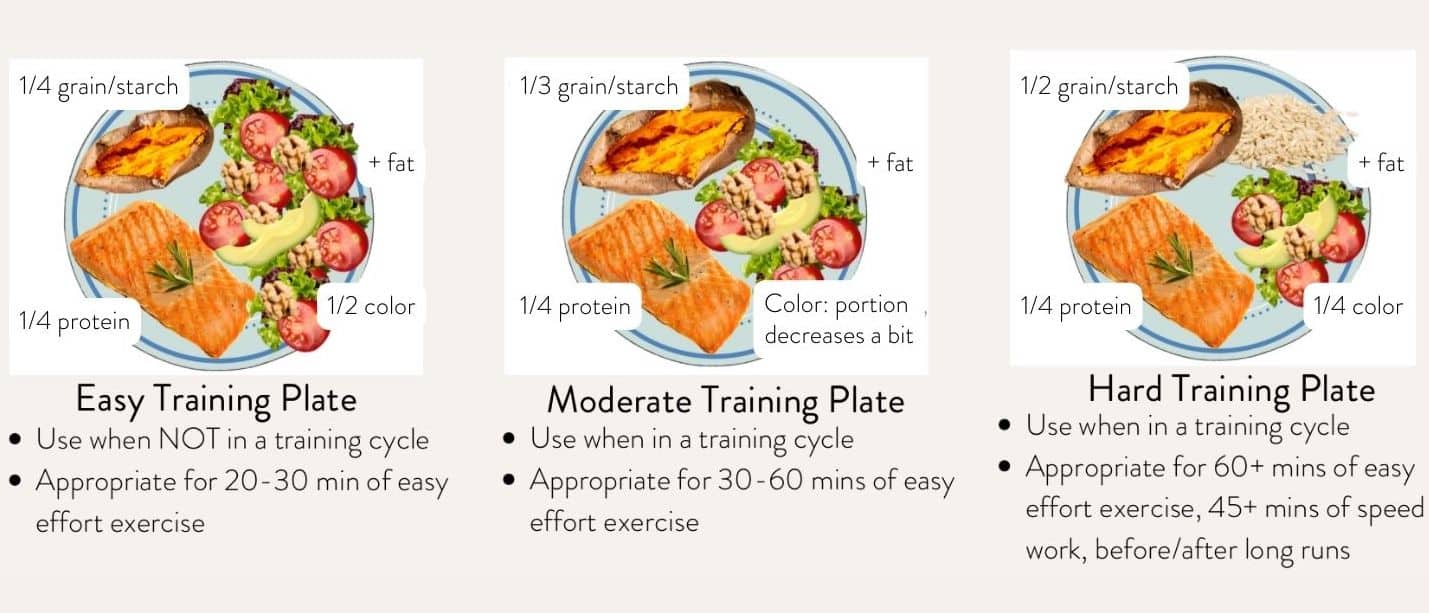
Key Highlights
- Holistic Nutritional Framework: Emphasizing the balance of macronutrients and micronutrients for energy, recovery, and overall health.
- Action Research Methodology: Active collaboration with athletes, coaches, and nutritionists to drive real-world nutritional intervention.
- Impact on Strength and Stamina: Strategic diet plans aimed at enhancing muscular strength, endurance, and recovery processes.
Introduction to the Research
This action research project investigates the profound impact of nutrition on athletic performance, with a focus on understanding how dietary habits contribute to enhanced strength and stamina. Recognizing that nutrition forms the foundation of athletic capability, the study integrates empirical evidence from the latest sports nutrition science with practical interventions tailored to the needs of athletes. Through this research, our goal is to outline a clear, systematic approach for optimizing nutritional strategies that not only fuel performance but also aid in recovery, support muscle growth, and promote overall well-being.
Research Objectives and Rationale
Objectives
The primary objectives of this research are:
- Identify Nutritional Needs: Explore the specific macronutrient and micronutrient requirements for various types of athletes engaged in different levels of physical activity.
- Assess Current Practices: Evaluate the existing dietary habits and nutritional status of athletes through surveys and dietary intake assessments.
- Design Tailored Interventions: Develop targeted nutritional plans that incorporate balanced macronutrient profiles, optimal nutrient timing, and hydration strategies.
- Measure Performance Outcomes: Utilize physical performance tests to assess improvements in strength, endurance, and recovery following nutritional interventions.
- Promote Educational Outreach: Enhance the knowledge of athletes and coaching staff regarding the role of nutrition in maximizing athletic performance.
Rationale
Nutrition is more than just a source of energy; it is a critical determinant of an athlete’s ability to perform at peak levels. A balanced dietary approach ensures that athletes have the right fuel to sustain long training sessions, overcome physical fatigue, and recover efficiently from intense workouts. Given the diversity in sports and training environments, personalized nutrition strategies have become essential. This research adopts an action-oriented methodology, emphasizing the practical application of nutritional science in real-world settings.
Research Methodology
Participatory Action Research (PAR)
At the core of this study is the Participatory Action Research (PAR) approach. This model actively involves athletes, coaches, and nutritionists in a cyclical process of planning, acting, observing, and reflecting:
Planning Phase
During the planning phase, baseline data on athletes’ nutritional status are collected through detailed surveys and dietary assessments. This involves:
- Implementing tools such as the Semi-Quantitative Food Frequency Questionnaire (SQ-FFQ) to record daily energy intake.
- Identifying nutrient deficiencies and areas for improvement based on individualized dietary habits.
Action Phase
The action phase involves the design and implementation of nutritional interventions:
- Developing personalized diet plans that emphasize a balanced intake of carbohydrates, proteins, and fats.
- Applying strategic nutrient timing to ensure optimal energy levels throughout training sessions.
- Introducing hydration protocols and, where necessary, targeted nutritional supplements to support recovery.
Observation and Reflection Phase
After the interventions are implemented, athletes’ performance is monitored using a variety of metrics:
- Physical performance tests, which measure strength, stamina, and recovery indicators.
- Regular dietary reassessments to compare baseline and post-intervention nutritional status.
- Feedback sessions with participants to evaluate the effectiveness of the implemented strategies.
Nutrition’s Role in Enhancing Athletic Performance
Macronutrients and Energy Provision
Carbohydrates, proteins, and fats are the building blocks of a high-performance diet. Each macronutrient plays a unique role:
- Carbohydrates: As the primary source of energy, carbohydrates are crucial for fueling high-intensity workouts. They can be categorized into simple carbohydrates for quick energy and complex carbohydrates for sustained energy release.
- Proteins: Proteins are vital for muscle repair and growth. They help recover muscle fibers that are stressed during exercise, thereby supporting muscular endurance and growth.
- Fats: Essential fats, especially omega-3 fatty acids, reduce inflammation and bolster cell recovery, contributing to overall stamina and performance.
Micronutrients and Metabolic Function
Micronutrients, including vitamins and minerals, are indispensable for metabolic processes that support energy production:
- Vitamins such as B-complex play a central role in energy metabolism.
- Minerals like iron and calcium assist in oxygen transport and bone health, respectively.
- Antioxidants help mitigate oxidative stress, a common consequence of intense physical activity.
Nutrient Timing and Hydration Strategies
The timing of nutrient intake is crucial to maximize performance:
- Pre-Workout Nutrition: Emphasizes carbohydrate-rich meals to build up glycogen stores.
- Post-Workout Recovery: Focuses on protein and carbohydrates to enhance muscle repair and replenish energy reserves.
- Hydration: Maintaining adequate hydration levels is essential to ensure proper physiological function and prevent fatigue during prolonged activity.
Practical Implementation of Nutritional Interventions
Designing the Nutritional Plan
The success of any nutritional intervention lies in its personalization. Diet plans are crafted based on individual nutritional requirements, taking into account factors such as the athlete’s sport, intensity of training, metabolic rate, and specific performance goals. The dietary plans focus on:
- Optimizing the ratio of carbohydrates, proteins, and fats.
- Integrating nutrient-dense foods that supply essential vitamins and minerals.
- Scheduling meal timing to align with training sessions, thereby maximizing energy utilization and recovery.
Use of Supplements
In some cases, nutritional supplements are introduced to complement the diet. These supplements are carefully chosen:
- Protein Supplements: Used to aid in muscle repair and synthesis after strenuous exercise sessions.
- Electrolyte Solutions: Assist in maintaining hydration levels and support muscle function, especially during prolonged or high-intensity workouts.
- Vitamins and Minerals: Provide an extra boost when dietary intake may not suffice for optimal performance.
Monitoring and Evaluation
To assess the effectiveness of the nutritional interventions, the research involves a series of performance tests and continuous monitoring:
- Pre and Post-Intervention Testing: Metrics include strength measurements, endurance tests, and recovery assessments.
- Dietary Assessment Tools: Repeated evaluations using tools like SQ-FFQ help verify improvements in nutritional intake.
- Feedback Mechanisms: Direct feedback from athletes and coaching staff guides the refinement of dietary plans and interventions.
Comparative Analysis: Nutritional Strategies and Athletic Outcomes
Performance Metrics
The relationship between tailored nutritional strategies and athletic performance is best understood through quantifiable metrics. The table below presents a comparative analysis of several performance indicators before and after implementing personalized nutritional interventions:
| Performance Indicator | Pre-Intervention Level | Post-Intervention Level |
|---|---|---|
| Energy Levels | Moderate to low endurance | High endurance and sustained energy |
| Strength Output | Average power and muscle strength | Notable increase in power and muscle recovery |
| Recovery Rate | Extended recovery time | Accelerated recovery and reduced injury risk |
| Overall Well-being | Occasional fatigue and performance dips | Consistent performance with improved well-being |
Long-Term Considerations and Educational Impact
Sustaining Athlete Health
Beyond immediate performance improvements, the long-term objective of this research is to instill sustainable nutritional habits among athletes. A comprehensive nutritional framework not only boosts performance but also plays a crucial role in injury prevention, bone health, cardiovascular support, and immune function. Educated athletes are more likely to continue with balanced dietary practices, thereby ensuring enduring physical and mental well-being.
Educational Outreach and Knowledge Dissemination
One of the significant outcomes anticipated from this research is the increased awareness among athletes, coaches, and sports nutrition professionals regarding the impact of tailored nutritional interventions. Workshops, seminars, and detailed dietary guidelines will be made available to promote this knowledge. By understanding the intricacies of nutrient timing, macronutrient balance, and hydration practices, participants gain the tools necessary to customize nutrition plans that align with their unique athletic demands.
Integration of Research Findings into Practice
Collaborative Implementation
A collaborative approach is fundamental to translating research findings into practice. Coaches, nutritionists, and athletes must work in tandem to ensure that nutritional interventions are practical, sustainable, and evidence-based. This research emphasizes the importance of an interdisciplinary approach, wherein insights from sports science, dietetics, and physiology merge to create a holistic performance enhancement strategy.
Framework for Continuous Improvement
The action research design fosters a continuous loop of assessment and improvement. This dynamic process allows for regular updates and fine-tuning of dietary plans based on real-time performance metrics. The iterative nature of the research means that strategies can be optimized further as new data emerges, ensuring that the nutritional plans remain relevant and effective amidst evolving athletic demands.
Additional Insights into Diet, Strength, and Stamina
Exploration of Dietary Patterns
Various dietary patterns, such as the Mediterranean diet, have been explored for their potential benefits in athletic performance. These diets, rich in whole foods, lean proteins, healthy fats, and complex carbohydrates, have shown promise in improving performance metrics such as oxygen uptake, muscle endurance, and overall physical resilience. The research draws on multiple case studies where athletes have demonstrated significant performance improvements following the adoption of structured nutritional regimes.
Customized Nutrition for Different Sports
It is imperative to recognize the nuances between different types of athletic disciplines. What works for endurance athletes may not apply to those engaged in explosive power sports. The research categorizes athletes based on their sport-specific demands and designs tailored interventions that consider:
- Energy expenditure rates specific to sport disciplines.
- Muscle group engagement and recovery needs.
- Timing and frequency of nutritional intake during training cycles.
Role of Behavioral Changes
Behavioral change is a cornerstone of successful nutritional interventions. By integrating education with practical diet modifications, the project seeks to instill long-lasting habits, replacing short-term fixes with sustainable lifestyle changes. Through continuous monitoring and support, athletes are more likely to adhere to their personalized diet plans, leading to improved athletic outcomes over time.
References
- How Does Nutrition Impact an Athlete's Performance? - American Sport & Fitness
- Nutrition and Athletic Performance - MedlinePlus
- Enhancing Athletic Performance - University of Idaho ATP Blog
-
Impact of Nutrition on Physical Performance - PMC
- Nutrients and Physical Performance - Mayo Clinic
Recommended Related Queries
Last updated March 4, 2025