
Annual Drowning Statistics in New Zealand (2020-2024)
A Comprehensive Overview of Drowning Fatalities and Trends
Key Takeaways
- Significant decrease in preventable drownings from 2023 to 2024.
- 2022 recorded the highest number of drowning fatalities in the past decade.
- Data for 2020 and 2021 are not publicly available.
Introduction
Drowning remains a critical public health issue in New Zealand, a country renowned for its stunning waterways and recreational water activities. Understanding the annual statistics of drowning fatalities is essential for developing effective water safety measures and prevention strategies. This comprehensive overview examines the available data on drowning incidents from 2020 to December 2024, highlighting trends, significant changes, and areas requiring attention.
Annual Drowning Statistics
Overview of Drowning Fatalities (2020-2024)
The following table presents the annual number of drowning fatalities in New Zealand from 2020 to December 2024. It is important to note that complete and specific data for the years 2020 and 2021 are not available in the provided sources. The available data indicates fluctuations in drowning incidents, with a noticeable decrease in preventable drownings in 2024.
| Year | Number of Drowning Fatalities |
|---|---|
| 2020 | Data Not Available |
| 2021 | Data Not Available |
| 2022 | 94 |
| 2023 | 90 (Preventable) |
| 2024 | 71 (Preventable) |
Detailed Yearly Breakdown
2020 and 2021: Data Unavailability
The years 2020 and 2021 do not have specific drowning statistics available within the provided sources. This lack of data could be attributed to the time required for thorough investigations and confirmations of such incidents by relevant authorities. For the most accurate and up-to-date information, consulting official reports from Water Safety New Zealand or the Accident Compensation Corporation (ACC) is recommended.
2022: Peak in Drowning Fatalities
In 2022, New Zealand recorded 94 drowning fatalities, marking the highest number in the past decade. This figure represents a 15% increase above the 10-year average of approximately 82.7 drownings per year. The significant rise in 2022 underscores the pressing need for enhanced water safety measures and public awareness campaigns.
2023: Transition Towards Preventability
The year 2023 saw a slight decline in drowning fatalities, with 90 preventable incidents reported. The classification of these drownings as preventable highlights the potential effectiveness of targeted interventions and safety protocols. Efforts to address factors contributing to these fatalities, such as swimming ability, supervision, and adherence to safety guidelines, are crucial.
2024: Significant Reduction in Preventable Drownings
Preliminary data for 2024 indicate a further reduction in preventable drownings, with 71 reported fatalities. This decline suggests improvements in water safety education, emergency response systems, and possibly changes in public behavior regarding water-related activities. Continued focus on these areas is essential to maintain and further this positive trend.
Demographic Analysis
Age and Gender Distribution
While specific demographic breakdowns are not provided in the sources, it is generally observed that males constitute the majority of drowning fatalities. Typically, males account for approximately 83-85% of such incidents. This trend may be influenced by higher participation rates in high-risk water activities among males and potentially less adherence to safety measures.
Geographical Distribution
Drowning incidents are not uniformly distributed across New Zealand. Certain regions with higher concentrations of water bodies, such as coastal areas and lakeside communities, may experience elevated risks. Urban centers with active recreational water use also contribute to the overall statistics. Understanding the geographical hotspots can aid in deploying targeted safety resources.
Factors Influencing Drowning Rates
Environmental Factors
Natural factors such as weather conditions, water currents, and water temperature play a significant role in drowning incidents. Extreme weather events, which may be influenced by climate change, can lead to sudden and hazardous water conditions, increasing the risk of drownings.
Behavioral and Social Factors
Human behavior, including risk-taking activities, alcohol consumption, and lack of swimming proficiency, greatly affects drowning rates. Public awareness and education programs aimed at promoting safe water practices are essential in mitigating these risks.
Safety Measures and Infrastructure
The presence and effectiveness of safety measures such as lifeguards, signage, and barriers can significantly influence drowning statistics. Investment in water safety infrastructure and the enforcement of safety regulations are critical components in preventing fatalities.
Prevention Efforts and Public Awareness
Water Safety Education
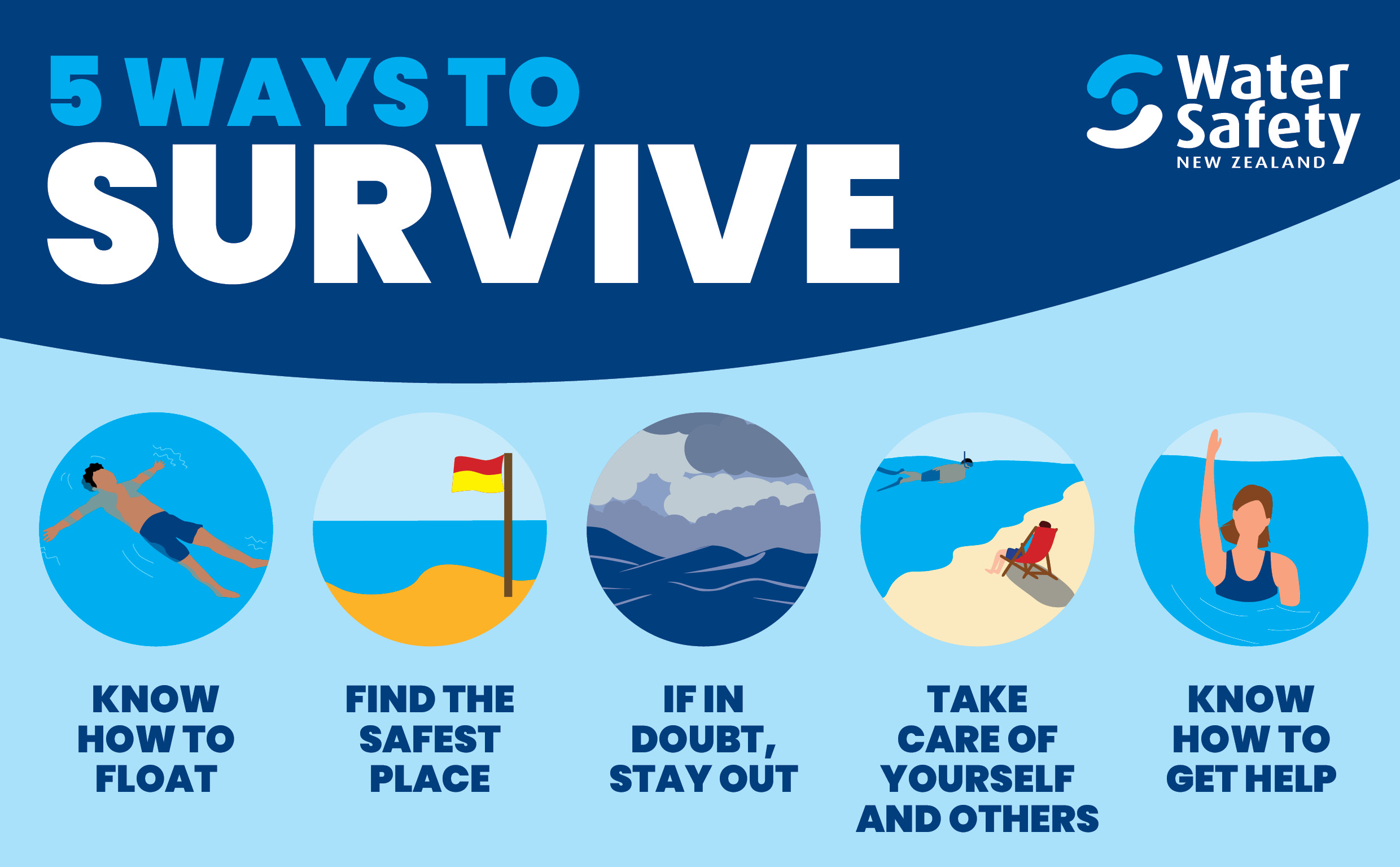
Comprehensive water safety education programs targeting all age groups can empower individuals with the knowledge and skills necessary to prevent drownings. Schools, community centers, and media campaigns play pivotal roles in disseminating this information.
Emergency Response Enhancements
Improving emergency response systems, including the availability of lifesaving equipment and trained responders, can reduce the fatality rate in drowning incidents. Quick and effective responses are crucial in life-threatening situations.
Policy and Regulation
Implementing and enforcing policies that mandate safety standards in public and private water facilities can significantly decrease drowning incidents. Regulatory measures ensure that safety practices are consistently applied and maintained.
Trends and Future Projections
Decreasing Drowning Rates
The observed decrease in drowning fatalities from 2022 to 2024 suggests that ongoing prevention efforts are yielding positive results. Continued focus on education, safety measures, and emergency response improvements is likely to sustain this downward trend.
Potential Challenges
Despite the positive trends, challenges such as climate change, increasing water recreational activities, and socio-economic disparities may impact future drowning rates. Addressing these challenges requires adaptive strategies and sustained commitment to water safety.
Technological Advancements
Advances in technology, including the development of wearable safety devices and improved surveillance systems, offer new avenues for preventing drownings. Leveraging these technologies can enhance both preventive measures and emergency responses.
Conclusion
Drowning continues to be a significant concern in New Zealand, with data from 2020 to 2024 highlighting both the challenges and progress in water safety. The notable reduction in preventable drownings by 2024 reflects the efficacy of targeted prevention strategies and enhanced safety measures. However, the absence of data for 2020 and 2021 underscores the need for more transparent and timely reporting mechanisms. Moving forward, sustained efforts in education, policy enforcement, and technological integration are essential to further reduce drowning fatalities and ensure water safety for all New Zealanders.
References
Last updated February 13, 2025