
OpenAI's o3 and o4-mini API Release Timeline
Exploring the release dates and features of OpenAI's reasoning AI models.
Key Highlights
- o3-mini Launch: The o3-mini model, optimized for science, math, and coding, was launched in January 2025.
- o4-mini Anticipation: OpenAI initially planned to release o3, followed by o4-mini, but timelines have shifted.
- Roadmap Changes: While o3 was expected to launch as a distinct model, plans evolved, impacting release expectations for both o3 and o4-mini.
Understanding OpenAI's o3 and o4-mini Models
OpenAI has been actively developing new AI models to enhance reasoning capabilities, particularly in specialized domains such as science, math, and coding. Two models that have garnered attention are o3 and o4-mini. Understanding their intended purposes and release timelines provides valuable insights into OpenAI's strategic direction.
o3-mini: A Focus on Reasoning
The o3-mini model is designed to excel in tasks requiring strong reasoning skills, specifically in science, math, and coding. It represents OpenAI's effort to create more efficient and capable AI models for specialized applications.
Release and Availability
o3-mini was officially launched in January 2025 and made available through the OpenAI API. This launch allowed developers and researchers to integrate the model into their projects and leverage its advanced reasoning capabilities. According to Sam Altman, the o3-mini launch occurred before Deepseek r1 was released, and its pricing was also revealed around the same time.
o4-mini: The Next-Generation Successor
o4-mini is positioned as the next-generation successor to o3. While specific details about its architecture and capabilities remain limited, it is expected to build upon the advancements of o3 and offer further improvements in reasoning and problem-solving.
Timeline Expectations
Initially, OpenAI planned to release o3, followed by o4-mini. However, the roadmap evolved. As of April 2025, OpenAI announced plans to release both o3 and o4-mini in the weeks following that announcement, with GPT-5 expected a few months later. This indicated a shift in priorities and a revised timeline for the release of these models.
The Evolving Roadmap: Delays and Adjustments
The development and release of AI models often involve adjustments and changes in timelines. Several factors can contribute to these shifts, including ongoing safety testing, refinements to the model's architecture, and strategic decisions based on market conditions and competitive landscape.
Initial Plans and Subsequent Changes
Initially, there was an expectation that o3 would launch as a distinct model. However, a February 12, 2025, update indicated a change in these plans. While the full o3 model was undergoing safety testing and refinements, the specific launch strategy appeared to be in flux. As of April 2025, the plan was to release both o3 and o4-mini in the coming weeks, pushing GPT-5 to a later date.
Factors Influencing Release Dates
Several factors can influence the release dates of AI models. These include:
- Safety Testing: Ensuring the safety and reliability of AI models is a critical step before release. OpenAI conducts thorough safety testing to identify and mitigate potential risks.
- Model Refinements: Ongoing refinements to the model's architecture and training data can lead to improved performance and capabilities. These refinements may require additional time and resources.
- Strategic Considerations: OpenAI's strategic decisions, such as prioritizing certain models or aligning releases with market demands, can also impact release timelines.
Comparing o3-mini and GPT-4o mini
To provide a clearer picture of the capabilities and positioning of o3-mini, it's helpful to compare it with another recent model from OpenAI: GPT-4o mini. This comparison highlights the different strengths and target applications of each model.
Key Characteristics of GPT-4o mini
GPT-4o mini is designed as a cost-effective solution, offering a balance between performance and affordability. Key characteristics include:
- Context Window: 128k tokens.
- Max Output Tokens: Supports up to 16,384 tokens per request.
- Knowledge Cut-off: October 2023.
- Multilingual and Multimodal: Capable of processing both text and vision inputs.
- Release Date: July 2024.
Comparative Analysis
The following table summarizes the key differences between o3-mini and GPT-4o mini:
| Feature | o3-mini | GPT-4o mini |
|---|---|---|
| Focus | Reasoning (Science, Math, Coding) | Cost-Effective General Purpose |
| Release Date | January 2025 | July 2024 |
| Multimodal | Likely Text-Based | Text and Vision |
| Intended Use | Specialized Reasoning Tasks | Broad Range of Applications |
This comparison illustrates that while GPT-4o mini is a versatile model suitable for a wide range of applications, o3-mini is specifically optimized for tasks requiring advanced reasoning skills in technical domains. The release of o3-mini reflects OpenAI's commitment to providing specialized models tailored to specific needs.
Visualizing the Impact of Mini PCs in IoT Solutions
The integration of AI models like o3-mini and GPT-4o mini often involves the use of powerful computing devices. Mini PCs are emerging as a crucial component in building smart IoT solutions, offering a compact yet robust platform for deploying AI-driven applications at the edge.
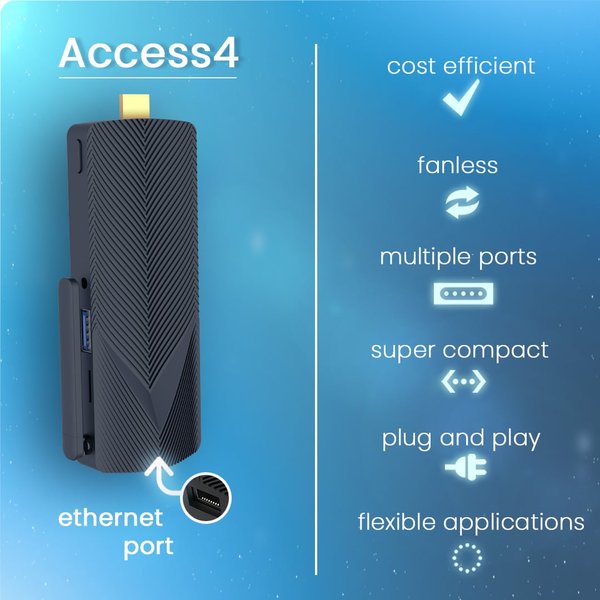

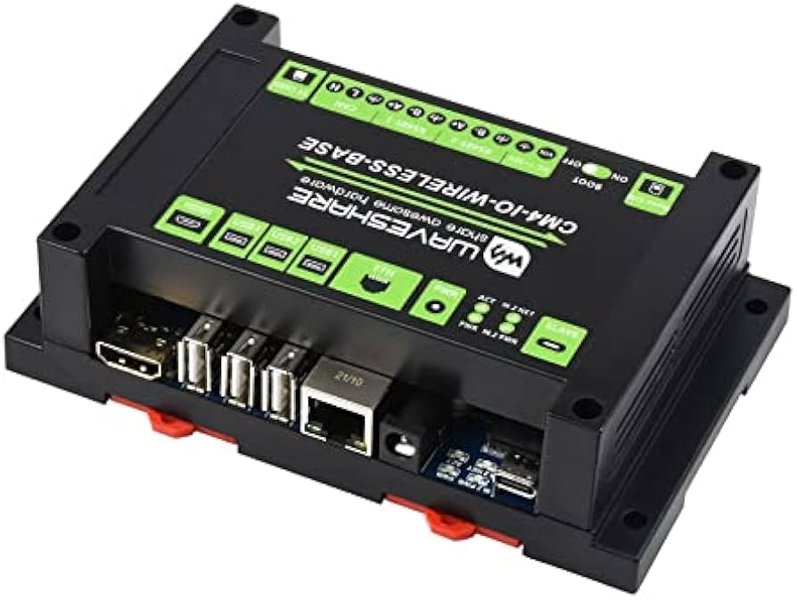
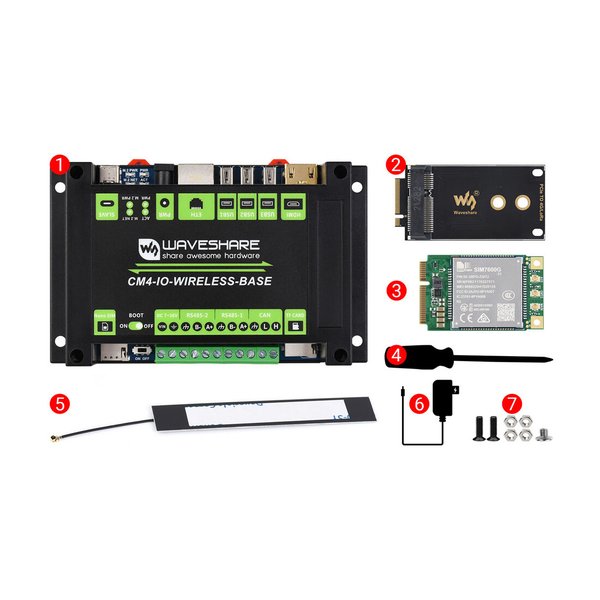
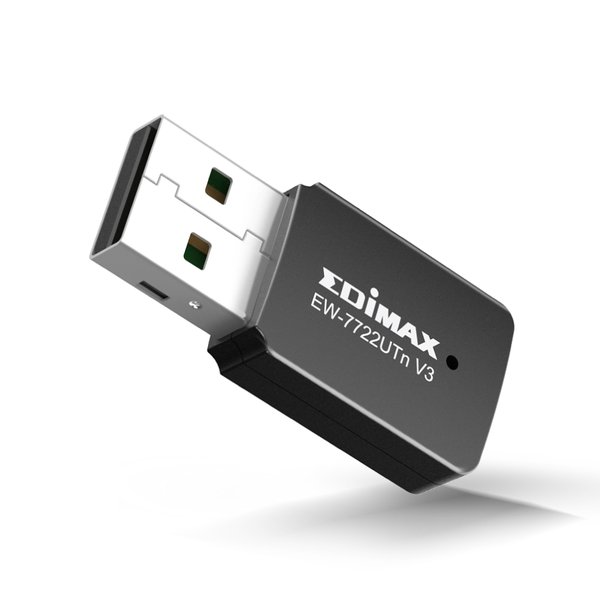
These images illustrate the versatility and compact design of mini PCs and related IoT components. From industrial-grade expansion modules to wireless adapters, these devices enable the deployment of AI-powered solutions in diverse environments.
OpenAI's Evolving Plans: A Broader Context
To fully understand the significance of the o3 and o4-mini releases, it's essential to consider the broader context of OpenAI's strategic plans and the competitive landscape in the AI industry.
Strategic Shifts and Competitive Pressures
The initial delay of GPT-5 and the subsequent focus on releasing o3 and o4-mini reflect a strategic shift within OpenAI. This adjustment may be driven by several factors, including:
-
Enhancing GPT-5: The delay of GPT-5 suggests that OpenAI is aiming to enhance its capabilities beyond initial plans. This could involve incorporating new architectural innovations, expanding the training dataset, or improving the model's reasoning and problem-solving abilities.
-
Competitive Pressures: The AI industry is highly competitive, with numerous companies and research organizations vying for leadership. OpenAI's decision to release o3 and o4-mini may be a response to competitive pressures, allowing the company to maintain a strong presence in the market while continuing to develop GPT-5.
-
Resource Allocation: Developing and deploying large AI models like GPT-5 requires significant resources. OpenAI may have chosen to allocate resources to o3 and o4-mini in the short term, allowing the company to deliver value to customers while continuing to invest in its flagship model.
Implications for the AI Community
OpenAI's evolving plans have significant implications for the broader AI community. The release of specialized models like o3-mini and GPT-4o mini provides developers and researchers with new tools for building AI-powered applications. Additionally, the strategic shifts within OpenAI highlight the dynamic nature of the AI industry and the importance of adapting to changing market conditions and technological advancements.
Understanding the Role of o3 and o4-mini
To further illustrate the strategic significance of o3 and o4-mini, consider the following video which discusses the models, their planned features, and OpenAI's roadmap:
This video, titled "OpenAI's Revised Roadmap: o3, o4-mini, and GPT-5 Release...", provides a comprehensive overview of OpenAI's strategic decisions regarding the release of o3 and o4-mini, as well as the delay of GPT-5. It explains that OpenAI aims to enhance the capabilities of GPT-5 beyond initial plans. This context helps in understanding why OpenAI chose to prioritize the release of these smaller, more specialized models.
Frequently Asked Questions
When was o3-mini launched?
o3-mini was launched in January 2025.
What are the key features of GPT-4o mini?
GPT-4o mini has a 128k context window, supports up to 16,384 tokens per request, and has a knowledge cut-off of October 2023. It is also a multilingual and multimodal model.
What is the primary focus of o3-mini?
o3-mini is optimized for reasoning tasks, particularly in science, math, and coding.
What was the initial plan for releasing o3?
Initially, o3 was expected to launch as a distinct model before plans evolved due to safety testing and other strategic considerations.
What factors influence the release dates of OpenAI models?
Safety testing, model refinements, and strategic considerations all play a role in determining the release dates of OpenAI's AI models.
References
Last updated April 11, 2025