
Understanding Ocean Circulation and Its Importance
Exploring the Dynamics and Impact of Ocean Currents
Key Takeaways
- Ocean circulation is vital for regulating Earth's climate, distributing heat, and supporting marine ecosystems.
- Attempting to stop ocean circulation is not only infeasible but could lead to catastrophic global consequences.
- The focus should be on mitigating factors that weaken ocean circulation, such as reducing greenhouse gas emissions and protecting ice sheets.
The Role of Ocean Circulation in Earth's Climate System
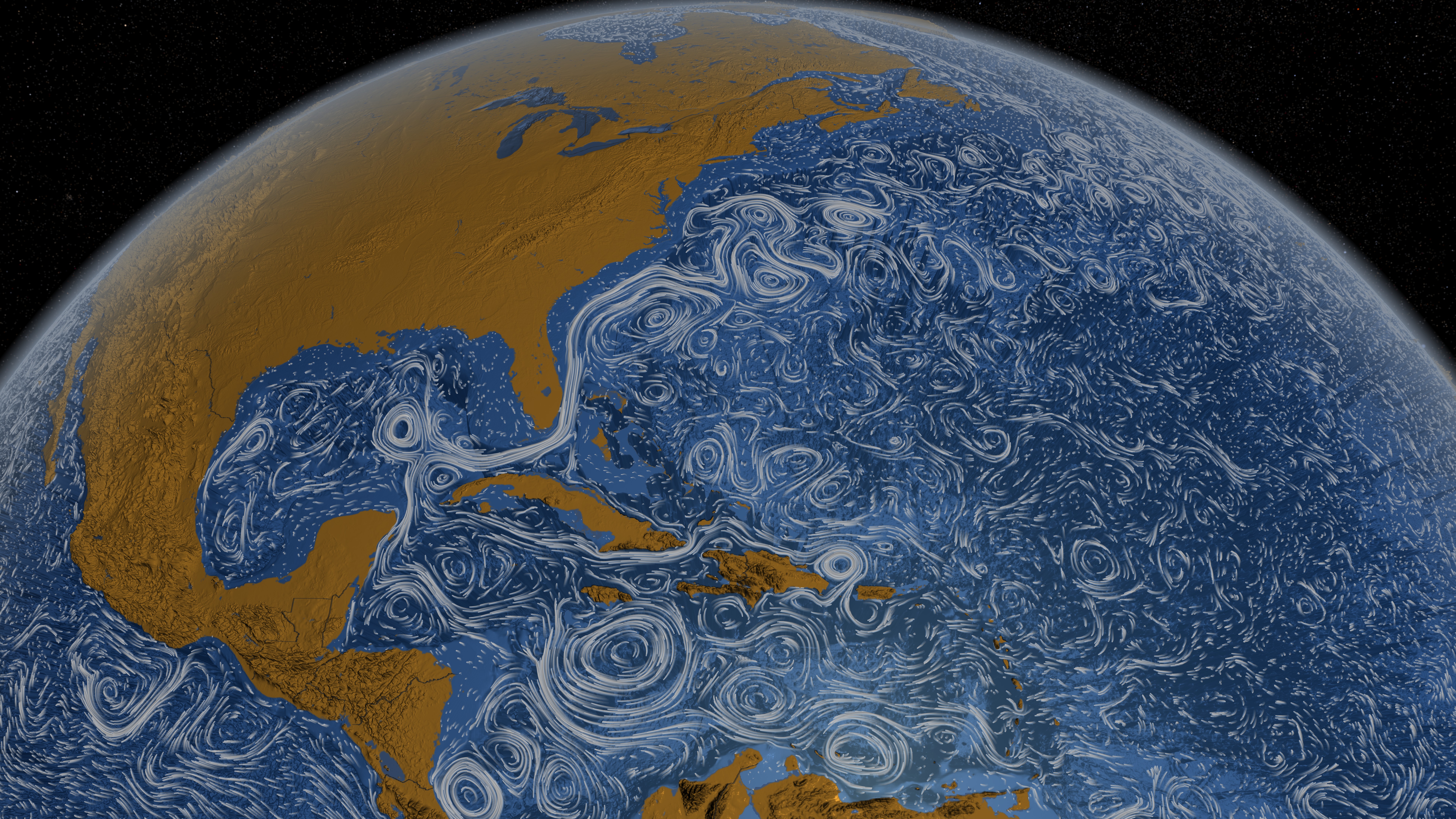
Ocean circulation plays an indispensable role in the Earth's climate system. It is responsible for distributing heat, nutrients, and oxygen across the globe, thereby regulating temperatures and supporting marine life. The circulation system includes major components like the thermohaline circulation, also known as the global ocean conveyor belt, which is driven by differences in water temperature and salinity, as well as by wind and the Earth's rotation. This system is crucial for maintaining the balance of heat and nutrients that sustains life in the oceans and moderates the climate on land.
Thermohaline Circulation
The thermohaline circulation is a key driver of ocean currents. It involves the sinking of cold, salty water at the poles, which then moves along the ocean floor towards the equator, where it rises to the surface and flows back towards the poles. This process creates a global conveyor belt of water movement, influencing climate patterns worldwide.
Impact on Climate Regulation
Ocean currents help to redistribute heat from the equator to the poles, moderating temperatures and creating more habitable conditions in regions that would otherwise be too cold or too hot. This heat distribution also influences weather patterns, affecting precipitation and storm tracks. Without ocean circulation, extreme temperature differences would exist between the equator and the poles, leading to severe climate disruptions.
Support for Marine Ecosystems
Ocean currents are vital for the health of marine ecosystems. They transport nutrients and oxygen to various parts of the ocean, supporting the growth of phytoplankton, which forms the base of the marine food chain. This nutrient transport also aids in the replenishment of fisheries and the overall biodiversity of the oceans.
The Infeasibility and Dangers of Stopping Ocean Circulation
Stopping ocean circulation is not a feasible or desirable goal. The complexity and interconnectedness of ocean currents make it impossible to halt them without causing widespread and potentially catastrophic effects on the global climate and marine ecosystems.
Why Stopping Ocean Circulation is Impossible
Ocean currents are driven by a combination of factors, including wind, temperature, salinity, and the Earth's rotation. These factors are deeply integrated into the Earth's climate system, and any attempt to stop them would require altering these fundamental forces, which is beyond current human capabilities. Moreover, even if it were possible, the consequences of stopping ocean circulation would be disastrous.
Potential Catastrophic Effects
Stopping ocean circulation would disrupt the distribution of heat and nutrients, leading to extreme temperature changes and the collapse of marine ecosystems. Regions that currently benefit from warm currents, like Western Europe, would experience severe cooling, while other areas might face extreme heat. The lack of nutrient distribution would cause widespread die-offs of marine life, severely impacting fisheries and the food chain.
Current Concerns: Weakening Ocean Circulation
While stopping ocean circulation is not feasible, there are concerns about its weakening due to human activities, particularly climate change. The melting of polar ice caps adds freshwater to the ocean, reducing its salinity and density, which can disrupt the thermohaline circulation. This weakening is already observed in systems like the Atlantic Meridional Overturning Circulation (AMOC) and the Southern Ocean circulation.
Mitigating Factors That Weaken Ocean Circulation
Instead of attempting to stop ocean circulation, efforts should focus on mitigating the factors that contribute to its weakening, primarily climate change. Here are some strategies to address these challenges:
Reducing Greenhouse Gas Emissions
Lowering CO2 emissions is crucial for slowing global warming, which in turn reduces the melting of ice caps and the input of freshwater into the oceans. By stabilizing the climate, we can help maintain the ocean's salinity and density, supporting the thermohaline circulation.
Protecting Ice Sheets
Preserving ice sheets through climate stabilization is essential for maintaining ocean circulation. Ice sheets contribute to the ocean's salinity, and their preservation helps to sustain the density differences that drive the thermohaline circulation.
Monitoring and Research
Continuous monitoring and research into ocean circulation dynamics are essential for understanding how to mitigate impacts and adapt to changes. This includes studying the effects of climate change on ocean currents and developing strategies to protect these vital systems.
Detailed Analysis of Ocean Circulation Components
Atlantic Meridional Overturning Circulation (AMOC)
The AMOC is a critical component of the global ocean conveyor belt. It transports warm surface water from the tropics to the North Atlantic, where it cools, sinks, and returns southward at depth. The AMOC plays a significant role in regulating the climate of Europe and North America. Recent studies have indicated that the AMOC is weakening due to the influx of freshwater from melting ice, which reduces the density of surface waters and inhibits their ability to sink.
Impact on Regional Climates
The weakening of the AMOC could lead to significant regional climate disruptions. For instance, a slowdown in the AMOC might cause cooling in parts of Europe, while other regions could experience increased storminess and changes in precipitation patterns. The potential for such changes underscores the importance of monitoring and understanding the AMOC's dynamics.
Southern Ocean Circulation
The Southern Ocean circulation, driven by winds and the unique geography of the region, is another vital component of the global ocean conveyor belt. It plays a crucial role in absorbing heat and carbon dioxide from the atmosphere, thereby mitigating global warming. However, like the AMOC, the Southern Ocean circulation is also susceptible to changes in temperature and salinity caused by climate change.
Role in Global Carbon Cycle
The Southern Ocean is a significant sink for atmospheric carbon dioxide. Its circulation patterns help to sequester carbon deep in the ocean, reducing its concentration in the atmosphere. Changes in the Southern Ocean circulation could disrupt this carbon sequestration, potentially accelerating global warming.
The Importance of International Cooperation
Addressing the challenges related to ocean circulation requires international cooperation. Climate change and its impacts on ocean currents are global issues that transcend national boundaries. Countries must work together to reduce greenhouse gas emissions, protect ice sheets, and conduct research into ocean circulation dynamics.
Global Agreements and Initiatives
International agreements like the Paris Agreement aim to limit global warming and its effects on the oceans. Initiatives such as the Intergovernmental Panel on Climate Change (IPCC) and the World Climate Research Programme (WCRP) play crucial roles in advancing our understanding of ocean circulation and its role in the climate system.
Role of Non-Governmental Organizations
Non-governmental organizations (NGOs) also contribute to ocean conservation efforts. Organizations like the Ocean Conservancy and the World Wildlife Fund (WWF) work to raise awareness about the importance of ocean circulation and advocate for policies that protect the oceans.
Technological Advances in Monitoring Ocean Circulation
Advances in technology have improved our ability to monitor and understand ocean circulation. Satellite observations, autonomous underwater vehicles, and advanced modeling techniques provide valuable data on ocean currents and their interactions with the climate system.
Satellite Observations
Satellites equipped with altimeters and radiometers can measure sea surface height and temperature, providing insights into ocean circulation patterns. For example, the Jason-3 satellite mission helps to track changes in ocean currents and their impacts on global climate.
Autonomous Underwater Vehicles
Autonomous underwater vehicles (AUVs) can collect data on ocean currents, temperature, and salinity at various depths. These vehicles provide detailed information on the dynamics of the thermohaline circulation and help to validate models of ocean circulation.
Modeling Techniques
Advanced modeling techniques, such as those used in the Coupled Model Intercomparison Project (CMIP), allow scientists to simulate ocean circulation and its interactions with the atmosphere. These models help to predict future changes in ocean currents and their impacts on the climate.
Public Engagement and Education
Public engagement and education are essential for raising awareness about the importance of ocean circulation and the need to mitigate its weakening. Educational programs and outreach initiatives can help to inform the public about the role of ocean currents in regulating the climate and supporting marine ecosystems.
Educational Programs
Schools and universities can incorporate ocean science into their curricula, teaching students about the dynamics of ocean circulation and its importance for the planet. Programs like the National Oceanic and Atmospheric Administration (NOAA) Ocean Exploration and Research provide resources for educators and students.
Outreach Initiatives
Outreach initiatives, such as public lectures, workshops, and media campaigns, can raise awareness about ocean circulation and its impacts. Organizations like the Ocean Exploration Trust and the Monterey Bay Aquarium Research Institute (MBARI) engage the public through educational programs and interactive exhibits.
Conclusion
Ocean circulation is a vital component of Earth's climate system, and stopping it is neither feasible nor desirable. Instead, efforts should focus on mitigating the factors that contribute to its weakening, such as reducing greenhouse gas emissions and protecting ice sheets. International cooperation, technological advances, and public engagement are crucial for addressing the challenges related to ocean circulation and ensuring the health of our planet's oceans.
References
| Component | Role | Impact of Weakening |
|---|---|---|
| Thermohaline Circulation | Drives global ocean conveyor belt | Disrupts heat distribution and nutrient transport |
| Atlantic Meridional Overturning Circulation (AMOC) | Transports warm water to North Atlantic | Causes regional climate disruptions, potential cooling in Europe |
| Southern Ocean Circulation | Absorbs heat and carbon dioxide | Disrupts carbon sequestration, accelerates global warming |
Last updated February 9, 2025