
Choosing the Vertical Lifelines: Key Factors for Selecting Office Building Rising Mains
Ensuring efficient, safe, and reliable power and water distribution throughout your multi-story office structure.
Selecting the right type of rising main – the critical vertical arteries distributing essential services like electricity and water throughout an office building – is a complex decision with significant implications for safety, efficiency, cost, and long-term operation. Careful consideration of various factors is crucial during the design phase to avoid future problems like inadequate supply, safety hazards, costly maintenance, or limitations on future expansion.
Essential Insights: Key Takeaways
- Distinguish Between Systems: Understand that "rising main" can refer to electrical power distribution (cables or busbars) or water/plumbing distribution (potable water, fire suppression), each with unique selection criteria.
- Core Factors Drive Decisions: Key considerations common to both types include the building's size and height, the required load (electrical demand or water flow), safety and regulatory compliance, material properties, overall cost, and maintenance needs.
- System Type Matters: For electrical systems, the choice between insulated cable risers and busbar trunking systems depends on factors like load capacity, space, cost, and flexibility. For water systems, material choices (like HDPE, copper, PEX) and system design (e.g., dry vs. wet for fire safety) are paramount.
Understanding Rising Mains in Office Buildings
Rising mains are the backbone of vertical service distribution in multi-story buildings. They transport essential resources from the main intake or distribution point at lower levels to various floors. In an office building context, two primary types of rising mains are critical:
Electrical Rising Mains
These systems distribute electrical power vertically from the main low-voltage (LV) switchgear or substation to distribution boards on each floor or zone. They power lighting, workstations, HVAC systems, elevators, and other essential building services. Common types include:
- Cable Risers: Utilize insulated electrical cables (typically copper or aluminum) run within dedicated vertical shafts or conduits. They offer flexibility and are common in many commercial settings.
- Busbar Trunking Systems (Bus Ducts): Employ prefabricated trunking containing insulated busbars (usually copper or aluminum). They are known for high current-carrying capacity, lower voltage drop over long runs, compact size, and ease of tapping off power on different floors, often favored in high-load or high-rise scenarios.
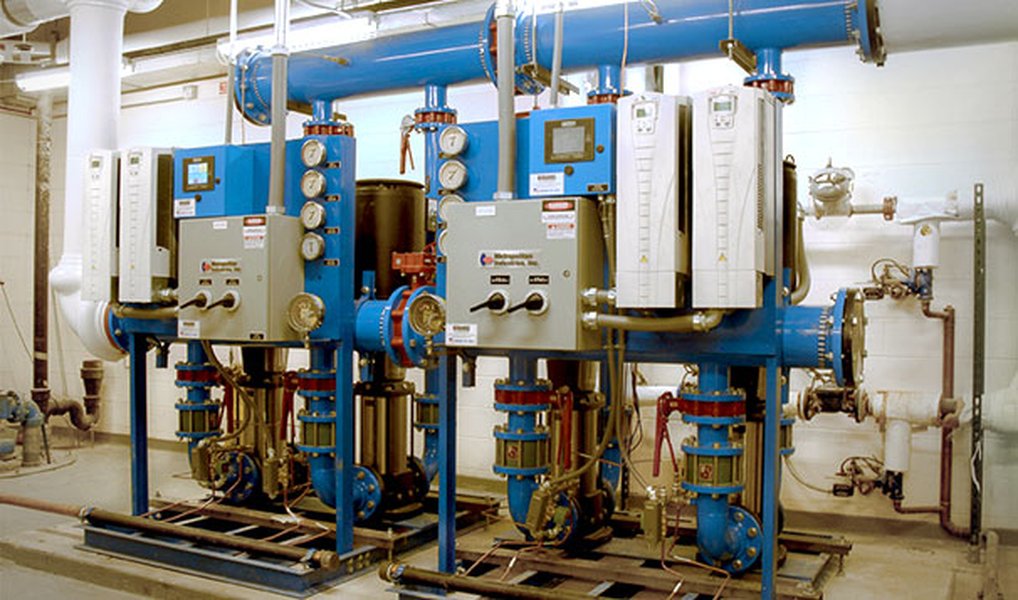
High-rise buildings require robust systems like pressure boosters to ensure adequate water supply via rising mains.
Water Rising Mains
These are vertical pipelines that transport water upwards. In office buildings, they serve several purposes:
- Potable Water Supply: Delivering drinking water to restrooms, kitchens, and break rooms on all floors.
- Fire Suppression Systems: Supplying water to fire hydrants, hose reels, or sprinkler systems. These can be:
- Wet Rising Mains: Constantly filled with water under pressure, providing immediate water access for firefighting. Typically required in taller buildings.
- Dry Rising Mains: Kept empty and rely on the fire service to pump water into them via ground-level inlets (breeching inlets) during an emergency. Often used in buildings up to a certain height (e.g., 60 meters, depending on local codes).
Core Selection Factors (Applicable to Both Types)
Regardless of whether you are selecting an electrical or water rising main, several fundamental factors must be evaluated:
Building Characteristics
The physical attributes of the office building are primary determinants. This includes the number of floors, overall height, floor area, and the layout. Taller buildings necessitate more complex systems, potentially multiple or segmented rising mains, to manage pressure loss (water) or voltage drop (electrical). The size and location of available vertical shafts must be coordinated early with the architectural design to ensure sufficient space for installation and maintenance.
Load Assessment
Accurate calculation of the demand is crucial.
- Electrical: This involves determining the total connected load (kVA or Amps), considering peak demand, diversity factors (not all loads operate simultaneously), and potential future increases. Sizing must prevent overloading and minimize voltage drop.
- Water: This requires calculating peak water flow rates (liters per second or gallons per minute) based on the number and type of fixtures (toilets, sinks, etc.) and fire suppression requirements. Adequate pressure must be maintained at the highest outlets.
Safety and Regulatory Compliance
Adherence to local building codes, electrical standards (e.g., IEC, NEC), plumbing codes, and fire safety regulations (e.g., NFPA, BS, SCDF codes) is non-negotiable. This encompasses material standards, insulation requirements, fire resistance ratings (especially for penetrations through fire-rated floors/walls), grounding/bonding (electrical), backflow prevention (water), and specific requirements for emergency systems.
Material Selection
The choice of materials impacts durability, lifespan, cost, and performance.
- Electrical: Copper and aluminum are the primary conductors, chosen based on conductivity, cost, and weight. Insulation materials must match voltage ratings and environmental conditions (e.g., fire-retardant, low smoke zero halogen - LSZH).
- Water: Common materials include copper (durable, corrosion-resistant, expensive), galvanized steel (strong, prone to corrosion over time), PEX (flexible, easier installation, potential temperature/pressure limits), PVC/CPVC (cost-effective, specific pressure/temperature ratings), and HDPE (flexible, corrosion-resistant, good for buried or demanding environments). Material choice depends on water type (potable vs. non-potable), pressure, temperature, and environmental factors like water chemistry or potential external corrosion.
Cost Considerations
A balance must be struck between initial capital costs (materials, installation labor) and long-term operational costs (energy losses, maintenance, potential replacement). While some options like busbars or copper pipes have higher upfront costs, they might offer lower lifetime costs due to better efficiency, lower maintenance, or longer lifespan compared to cables or plastic pipes in certain applications.
Installation, Access, and Maintenance
The ease of installation impacts project timelines and costs. The design must allow for adequate access for future inspection, testing, maintenance, and potential repairs or upgrades without significant disruption to building occupants. The environment within the riser shaft (temperature, humidity) can also influence system longevity and maintenance needs.
Coordination with Building Design
Effective integration is key. The routing and space requirements for rising mains must be coordinated with structural elements, architectural features, and other building services (HVAC ducts, communication cables, plumbing drains) running in the same vertical shafts to avoid conflicts and ensure efficient use of space.
Future Scalability and Flexibility
Office buildings often undergo changes in tenancy or layout, potentially increasing load demands. Selecting a system with inherent flexibility or oversizing slightly (within reasonable limits) can accommodate future growth or modifications more easily and cost-effectively than replacing an undersized system later.
Specific Considerations for Electrical Rising Mains
System Type: Cables vs. Busbars
- Cable Risers: Generally lower initial material cost, highly flexible for complex routes, familiar installation techniques. However, multiple large cables can consume significant shaft space, installation can be labor-intensive for high currents, and voltage drop might be higher over long distances compared to busbars.
- Busbar Trunking: Higher initial material cost, but potentially faster installation. Excellent current-carrying capacity in a compact form factor, lower voltage drop, high short-circuit withstand capability, and easy tap-off points for floor distribution. Less flexible for routing around obstructions. Often preferred for high-rise buildings or high-load applications.
Voltage Level and Distribution
Typically LV (e.g., 400V/230V or 480V/277V). The design must minimize voltage drop between the source and the furthest floor to ensure equipment operates correctly. For very tall buildings, Medium Voltage (MV) risers feeding transformers on intermediate technical floors might be considered to reduce conductor size and voltage drop.
Supply Security and Redundancy
How critical is uninterrupted power? A single rising main is simpler but offers low supply security – a fault affects all floors fed by it. For critical operations, dual rising mains (potentially fed from different sources or switchboards) provide redundancy, allowing one to remain operational if the other fails or requires maintenance.
Load Balancing
The system design should facilitate balancing the electrical loads across the different phases and among the various floors to prevent overloading parts of the system and ensure efficient use of the infrastructure.
Fault Level and Protection
The rising main system must be rated to safely withstand the maximum potential short-circuit current (fault level) at its location. Appropriate protective devices (circuit breakers, fuses) must be coordinated to isolate faults quickly and selectively, minimizing disruption.
Specific Considerations for Water Rising Mains
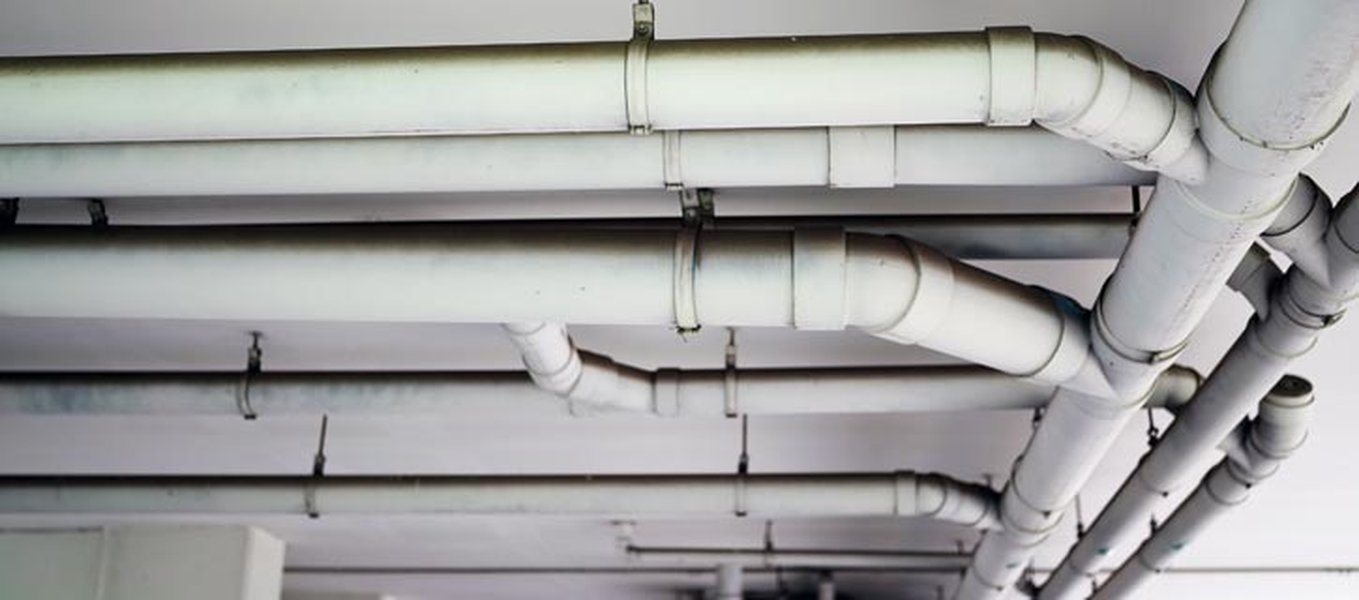
Plumbing design in high-rise buildings involves managing pressure and flow across multiple floors.
System Type: Dry vs. Wet (Fire Systems)
As mentioned earlier, the choice between dry and wet rising mains for fire suppression depends primarily on building height, local fire codes, and response strategies. Wet systems provide immediate water, while dry systems rely on fire service intervention.
Hydraulic Performance
This involves detailed calculations to ensure adequate water flow and pressure at all outlets, especially on the highest floors. Key aspects include:
- Pipe Sizing: Based on flow velocity (typically kept within limits like 0.75-2.5 m/s to balance friction loss, prevent noise, and avoid sediment deposition) and pressure drop calculations (e.g., using Hazen-Williams or Darcy-Weisbach formulas).
- Pressure Management: High-rise buildings often require booster pumps and potentially pressure-reducing valves (PRVs) on lower floors to manage static head pressure.
- Gradient and Air Management: Proper pipe slope (if applicable) and the strategic placement of air release valves at high points are crucial to prevent airlocks that can impede flow.
- Surge Analysis (Water Hammer): Especially important in pumped systems to prevent pressure surges caused by sudden valve closures or pump starts/stops, which can damage pipes and equipment. Surge vessels or other mitigation devices may be needed.
Water Quality and Treatment
For potable water rising mains, materials must be approved for drinking water contact and resistant to potential corrosion or leaching caused by water chemistry. The design should prevent stagnation and allow for flushing if necessary.
Noise Reduction
Water flow and pressure fluctuations (water hammer) can generate noise. Proper pipe sizing (avoiding excessive velocity), secure pipe supports, and potentially using noise-dampening materials or specific fittings can mitigate noise transmission in an office environment.
Thermal Efficiency and Insulation
Insulating hot water pipes reduces heat loss and saves energy. Insulating cold water pipes prevents condensation (sweating), which can cause water damage and mold growth in shafts and ceiling voids. This is particularly important in humid climates or where pipes pass through conditioned spaces.
Comparative Analysis: Key Decision Drivers
Selecting the optimal rising main involves balancing competing factors. The radar chart below offers a conceptual comparison of common rising main types across key decision drivers. Scores are illustrative (1=Low/Poor, 10=High/Excellent) and actual performance depends on specific project details.
This chart visually summarizes the trade-offs. For instance, Busbar Trunking scores high on capacity and safety but low on initial cost, whereas HDPE pipe scores well on cost and ease but might have performance limits compared to copper in some water applications.
Visualizing the Selection Process
The mindmap below provides a hierarchical overview of the factors involved in selecting a rising main system for an office building, branching from core considerations to system-specific details.
for Office Buildings"] id1["Core Factors (Both Types)"] id1a["Building Characteristics
(Height, Size, Shafts)"] id1b["Load Assessment
(Electrical kW/Amps or Water Flow/Pressure)"] id1c["Safety &
Regulatory Compliance"] id1d["Material Selection
(Durability, Cost, Performance)"] id1e["Cost Analysis
(Initial vs. Lifetime)"] id1f["Installation, Access,
& Maintenance"] id1g["Coordination with
Building Design"] id1h["Future Scalability
& Flexibility"] id2["Electrical Rising Mains"] id2a["System Type"] id2a1["Cable Risers"] id2a2["Busbar Trunking"] id2b["Voltage Level & Drop"] id2c["Supply Security
& Redundancy"] id2d["Load Balancing"] id2e["Fault Level & Protection"] id3["Water Rising Mains"] id3a["System Purpose"] id3a1["Potable Water"] id3a2["Fire Suppression (Wet/Dry)"] id3b["Hydraulic Performance"] id3b1["Pipe Sizing & Velocity"] id3b2["Pressure Management"] id3b3["Gradient & Air Valves"] id3b4["Surge Control"] id3c["Water Quality"] id3d["Noise Reduction"] id3e["Thermal Efficiency
& Insulation"]
This mindmap helps structure the decision-making process, ensuring all critical aspects are considered when evaluating different rising main options.
Illustrative Example: Water Supply Design Considerations
Understanding the complexities of water supply design is crucial when selecting water rising mains. The following video discusses source selection and general design criteria, which are foundational elements influencing the type and specification of the rising main system needed.
This video provides context on the broader water supply system, highlighting factors like source reliability, water quality, and pressure requirements that directly impact the design choices for the vertical distribution network (rising mains) within the building.
System Comparison Table
This table provides a simplified comparison of common rising main options:
| System Type | Key Features | Pros | Cons | Typical Application (Office Buildings) |
|---|---|---|---|---|
| Electrical: Cable Riser | Insulated cables in shafts/conduits | Flexible routing, lower material cost, familiar installation | Can be space-consuming, higher labor for high currents, potential for higher voltage drop | Low to high-rise buildings, moderate loads, where routing flexibility is needed |
| Electrical: Busbar Trunking | Prefabricated trunking with busbars | Compact, high capacity, low voltage drop, fast installation, easy tap-offs, high fault rating | Higher material cost, less flexible routing | High-rise buildings, high load densities, data centers, areas needing easy future connections |
| Water: HDPE Pipe | High-Density Polyethylene plastic pipe | Flexible, corrosion resistant, lower cost, easy jointing (fusion welding) | Lower pressure/temperature limits than metal, requires UV protection if exposed | Potable water distribution, buried lines, fire mains (check local codes) |
| Water: Copper Pipe | Rigid or flexible copper tubing | Durable, high corrosion resistance, high pressure/temp rating, biostatic properties | High material cost, more labor-intensive installation (soldering/brazing) | Potable water (hot & cold), fire suppression systems, where longevity is paramount |
Frequently Asked Questions (FAQ)
What's the main difference between electrical and water rising mains?
Electrical rising mains distribute electrical power vertically using cables or busbars to different floors of a building. Water rising mains distribute water (potable or for fire suppression) vertically using pipes. While both are vertical distribution systems, they handle different resources and have entirely different components, materials, design principles, and safety regulations.
Is busbar trunking always better than cables for electrical risers?
Not necessarily. Busbar trunking excels in high-current applications, high-rise buildings (due to lower voltage drop), and situations requiring easy tap-offs or limited shaft space. However, it has a higher initial cost and less routing flexibility than cables. Cable risers are often more cost-effective for lower loads or buildings where complex routing is required, though installation can be more labor-intensive for large capacities.
What are fire safety requirements for rising mains?
Fire safety is critical for both types. Electrical rising mains (cables and busbars) often need specific fire-resistant ratings or must be installed in fire-rated shafts to prevent the spread of fire between floors. Penetrations through fire barriers must be properly firestopped. Water rising mains for fire suppression (dry or wet) must comply with specific fire codes regarding size, pressure, outlet locations (hydrants/hose reels), signage, and access for fire service personnel (e.g., breeching inlets for dry risers).
How important is future expansion when selecting a rising main?
It's very important, especially in office buildings where tenant needs or space usage can change. Undersizing a rising main can severely limit future adaptability or require costly retrofits. It's prudent to factor in a reasonable margin for future load growth (both electrical and water demand). Systems like busbar trunking offer easier expansion via tap-off units compared to pulling new cables, while water systems might require ensuring the main pipe diameter can handle potential future increases in fixture counts or system extensions.
What are the most common materials used?
For electrical rising mains, conductors are almost exclusively copper or aluminum, chosen for their conductivity. Insulation materials vary widely (PVC, XLPE, LSZH). For water rising mains, common pipe materials include copper, galvanized steel (less common now due to corrosion), PEX (cross-linked polyethylene), PVC/CPVC (polyvinyl chloride/chlorinated polyvinyl chloride), and HDPE (high-density polyethylene). The choice depends on factors like cost, durability, water type (potable/fire), pressure/temperature ratings, and ease of installation.
Recommended Further Exploration
- How do busbar trunking and cable risers compare for electrical distribution in tall office buildings?
- What are the specific fire safety code requirements for dry vs. wet rising mains in commercial properties?
- How are water pressure and flow rate calculations performed for multi-story office plumbing systems?
- What are the pros and cons of different materials (Copper, PEX, HDPE) for potable water pipes in large buildings?
References
Last updated April 30, 2025