
Elevating Offset Printing Quality Through International Standards
Discover how integrated quality assurance systems ensure flawless commercial offset printing outcomes.
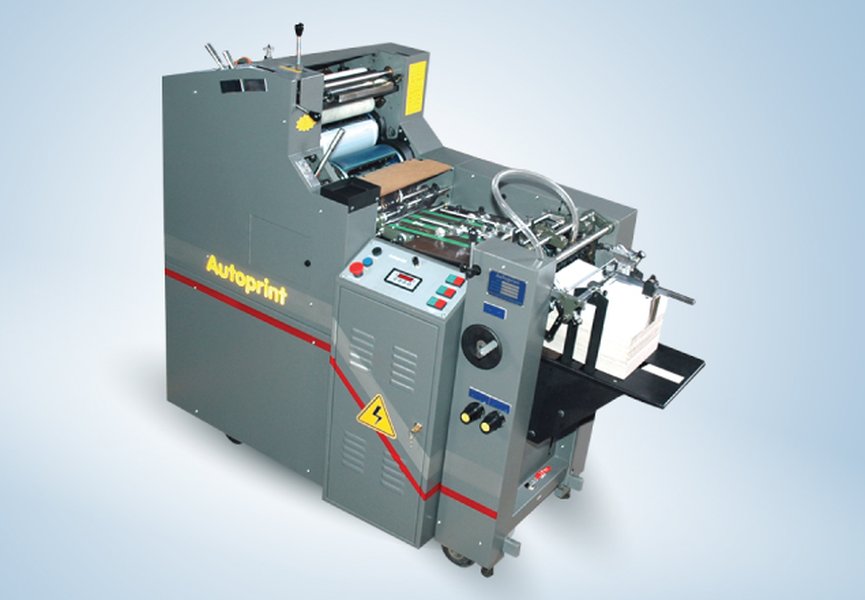
Highlights
- ISO and PSO Standards: Rigorous standards that guide every stage of the printing process.
- Comprehensive Quality Control: Prepress, in-process, and post-press measures ensure consistency.
- Advanced Technology Integration: Innovative inspection and process control systems enhance quality and efficiency.
Overview of Quality Assurance in Offset Printing
In the competitive world of commercial offset printing, ensuring high-quality deliverables is not optional. Establishing a robust quality assurance system based on international standards is essential to achieve uniformity in color reproduction, minimize waste, and reduce lead times. Central to this system are international frameworks such as the ISO 12647 series and certifications like ProcessStandard Offset (PSO) developed by Fogra, which provide the benchmarks and checkpoints necessary to maintain consistent product quality during every stage of the printing process.
A well-structured quality assurance system covers multiple aspects, from design file verification during the prepress phase to real-time monitoring during the printing process and diligent post-production inspections. These systems integrate advanced technologies such as spectrophotometers, print inspection systems, and automated quality control checklists, all of which play a pivotal role in reducing errors and optimizing production efficiency.
International Standards and Certifications
ISO 12647 Series
The ISO 12647 family of standards is the cornerstone for quality assurance in offset printing. These standards outline the parameters for color consistency, print process control, and environmental conditions under which printing should occur. ISO 12647-2 specifically addresses the offset printing process. By enforcing these standards, printing companies can ensure that the printed materials adhere to strict quality benchmarks, which is particularly crucial when dealing with branded materials that demand precision in color matching between digital files and printed outputs.
PSO Certification
PSO, or ProcessStandard Offset, is a certification process developed by Fogra, elevating printing practices by ensuring that all equipment is calibrated to meet international standards. PSO certification not only validates the quality of printed products but also enhances the credibility of printing companies in a market where reliability is key. Certified printers benefit from reduced production errors, consistent color reproduction, and improved overall output quality, making PSO certification a valuable asset in winning high-profile printing contracts.
Additional ISO Standards
Beyond ISO 12647, other ISO standards—such as ISO 9706 and ISO 15397—cover paper durability and graphic communication, ensuring that the substrates used in printing support both longevity and optimal visual performance. These standards help in selecting the appropriate materials for different printing applications, guaranteeing that the final product meets both aesthetic and functional requirements.
Components of a Comprehensive Quality Assurance System
Prepress Quality Control
The prepress phase sets the stage for a successful printing process. This stage involves:
- File Preflight Checks: Verification of artwork and design files to ensure proper color profiles, correct resolution, and adherence to layout requirements.
- Color Management: Calibrating digital displays with printing outputs to ensure that colors are consistent both on screen and on paper. This step may involve using a G7 Master Certified Printer system.
- Prepress Proofing: Generating test proofs to detect errors early and adjust key parameters prior to initiating large print runs.
In-process Quality Control
During the actual print run, continuous quality checks are critical. In-process quality control mechanisms include:
- Real-time Monitoring: Deployment of automated print inspection systems that utilize advanced imaging technology to detect defects such as color discrepancies, ink distribution issues, and registration problems.
- Quality Control Checkpoints: Strategic pauses within the printing process to inspect parent sheets and printed samples, allowing operators to catch and correct errors before they propagate through the print run.
- Advanced Software Integration: Utilizing software-driven solutions to record quality parameters and adjust machine settings in real-time, thus ensuring that every sheet printed meets quality benchmarks.
Post-press Inspection and Documentation
Post-press quality assurance is the final checkpoint to ensure customer satisfaction. Key processes include:
- Final Product Inspection: Systematic review of finished goods to confirm that binding, finishing, and overall appearance are defect-free.
- Documentation: Maintaining detailed records of quality checks and inspection outcomes, which can be crucial for both internal audits and external quality certifications.
- Feedback Loops: Using post-run data to inform continuous improvements in the prepress and in-process stages, reducing waste and optimizing production times.
Technological Integration in Quality Assurance
Advanced Inspection Systems
Integration of state-of-the-art inspection systems is integral to modern offset printing quality assurance. Such systems are engineered to scan and analyze printed sheets in real time, highlighting defects such as:
- Color Variations: Differences in hue, brightness, or saturation that can detract from the expected output.
- Physical Imperfections: Issues like smudging, streaking, or misregistration detected during the printing process.
- Surface Defects: Unwanted marks, creases, or irregularities resulting from paper movement or improper handling.
These systems are typically integrated with automated controls, allowing adjustments to be made swiftly to mitigate potential defects.
Digital Tools for Process Optimization
Complementing physical inspection systems are digital tools designed to manage and document the entire printing process. Through specialized software, operators can:
- Monitor Quality Trends: Analyze historical data to identify recurring problems and adjust processes accordingly.
- Calibrate Equipment: Use digital interfaces to fine-tune press settings, ensuring alignment with international specifications.
- Maintain Quality Passports: Record batch-specific quality data that can be referenced for future print runs and troubleshooting.
Training, Maintenance, and Continuous Improvement
Operator Training and Skill Development
Skilled operators form the backbone of any effective quality assurance system. Regular training sessions and workshops are essential to keep technical teams up-to-date with new printing technologies and emerging quality control methodologies. This training covers:
- Color Management Techniques: Ensuring that staff understand the nuances of digital-to-print color translation.
- Equipment Calibration: Hands-on training in using the latest calibration tools to maintain peak performance of printing presses.
- Quality Control Protocols: Mastering the use of checklists and digital tools to enforce quality standards consistently.
Regular Equipment Maintenance
Periodic maintenance of printing equipment is vital to sustain high printing quality. A disciplined maintenance schedule helps detect and prevent issues that could compromise print quality. Regular calibration of machines not only ensures alignment with ISO standards but also extends the lifespan of expensive printing equipment.
Implementing a Culture of Continuous Improvement
Successful printing companies invest in continuous improvement strategies by leveraging data from quality control processes. Regular review meetings and performance audits help identify inefficiencies and areas for enhancement. This culture of continual learning and adaptation ultimately results in improved product quality, reduced waste, and a more resilient printing operation.
Visualizing Quality Assurance Metrics
The following radar chart provides an overview of key quality assurance metrics within a commercial offset printing environment. Each dataset in the chart represents critical aspects such as ISO compliance, prepress quality checks, in-process control, post-press inspection, and technology integration.
Mindmap Diagram of the Quality Assurance System
The mindmap below summarizes the core aspects of a quality assurance system in offset printing. It visualizes the interconnections between international standards, quality control stages, technology integration, operator training, and process documentation.
Summary Table of Key Quality Assurance Components
The table below provides a concise overview of critical components integral to an effective quality assurance system in commercial offset printing.
| Component | Description | Key Benefits |
|---|---|---|
| ISO 12647 Standards | International guidelines ensuring consistent color reproduction and process control. | Uniformity, high quality, and reliability. |
| PSO Certification | Certification by Fogra to validate printing processes and equipment calibration. | Enhanced credibility and reduced errors. |
| Prepress QC | Comprehensive file checks and proofing to catch design issues early. | Minimized errors and waste reduction. |
| In-process Monitoring | Real-time inspection systems to detect defects during printing. | Continuous quality control and immediate corrections. |
| Post-press Inspection | Final evaluation of printed materials to ensure defect-free finished products. | Customer satisfaction and quality documentation. |
| Technology Integration | Use of spectrophotometers, automated checklists, and digital tools for process management. | Optimized production, improved efficiency, and data-driven improvements. |
Embedded Video: Process Control for Print and Packaging
Below is a video that demonstrates how process control technologies are implemented in offset printing, addressing both quality control and process optimization. This provides additional insights into the operational aspects of quality assurance systems.
Frequently Asked Questions (FAQ)
What is ISO 12647 and why is it important for offset printing?
ISO 12647 is an international standard that provides guidelines for color management and process control in offset printing. It ensures that colors are reproduced consistently across different print runs, thereby guaranteeing high quality and uniformity in the final printed product.
How does PSO certification benefit a printing company?
PSO certification validates that a printing company’s processes and equipment adhere to international quality standards. This certification enhances the company’s reputation, assures clients of their commitment to quality, and helps in reducing production errors and waste.
What technologies are commonly used in modern quality assurance systems for offset printing?
Modern quality assurance systems incorporate advanced inspection devices such as spectrophotometers, automated print inspection systems, and real-time digital monitoring tools. These technologies help in closely monitoring the quality of prints at various stages, ensuring any deviations are corrected promptly.
Why is continuous staff training crucial in offset printing quality assurance?
Continuous training ensures that operators and technicians are fully updated on the latest printing technologies, quality control protocols, and equipment maintenance procedures. This leads to improved operational efficiency and minimizes the risk of errors during production.
References
-
Quality Assurance Framework - ScienceDirect
- On-Site Quality Assurance - PrintNinja
- 20 Point Quality Checklist - PSPrint
- ISO 12647 Explanation - Prepressure
- PSO Certification - Fogra
Recommended Queries for Further Exploration
Last updated April 1, 2025