
Okra-Based Adhesives: A Natural Alternative
Exploring the Science, Applications, and Future of Okra as Glue
Highlights
- Natural Mucilaginous Properties: Okra's inherent mucilage makes it an effective natural adhesive.
- Eco-Friendly and Biodegradable: Its sustainable and non-toxic nature offers a safe alternative to synthetic glues.
- Diverse Applications: From crafts to pharmaceuticals, okra-based glue shows promise in multiple domains.
Understanding Okra Mucilage
Biological Composition and Extraction
Okra, scientifically known as Abelmoschus esculentus, contains a gel-like substance called mucilage. This mucilage is composed of polysaccharides including galacturonic acid, rhamnose, galactose, and arabinose. The structure of these sugars facilitates strong hydrogen bonding, endowing the mucilage with adhesive properties.
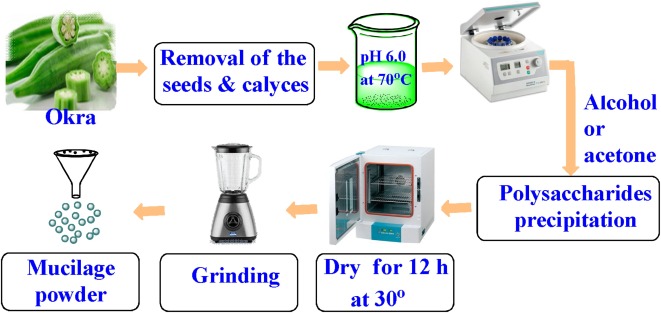
The extraction process typically involves an aqueous method where okra pods are boiled or heated, which allows the mucilage to be released into the water. After sufficient agitation, the mixture is filtered to separate the mucilage from the solid residues. Variables such as water temperature, pH levels, and the duration of boiling can influence the efficiency of extraction, thereby affecting the final adhesive quality.
Chemical and Physical Characteristics
The chemical composition of okra mucilage is crucial in determining its adhesive capability. The polysaccharides present facilitate bonding through intermolecular hydrogen bonds, which are essential for pelleting adhesion on substrates. Once applied, the glue dries by water evaporation, thereby increasing the concentration of the adhesive bonds. This process is particularly effective on porous materials such as paper and cardboard.
Furthermore, blending okra mucilage with other natural polymers like cassava starch can enhance its viscosity and bonding strength, making it more versatile for a range of applications.
Applications of Okra-Based Glue
Crafts and Paper Projects
One of the most accessible applications of okra-based adhesives is in the realm of crafts. For school projects, scrapbooking, and paper crafts, a non-toxic glue made from okra mucilage is both safe and effective. Its natural origin makes it especially suitable for children’s art projects and eco-conscious crafts. The glue’s ability to bond paper, cardboard, and even lightweight fabrics introduces a sustainable alternative to commercial adhesives.
Industrial and Packaging Uses
With further refinement, okra-based adhesives could find their way into industrial applications. The rapid drying properties noted in studies indicate that on thinner paper substrates, the adhesive quickly forms robust bonds that could benefit packaging materials. Such sustainable adhesives are particularly appealing in industries aiming to reduce volatile organic compounds (VOCs) and other toxic emissions associated with traditional synthetic glues.
A potential expansion of okra-based applications is seen in environmentally conscious construction methods where biodegradable and non-toxic materials are in demand. Although challenges such as moisture sensitivity persist, ongoing research continues to address these limitations by modifying the extraction process and combining okra mucilage with natural additives.
Pharmaceutical Applications
Beyond its use in crafts and packaging, okra mucilage has been explored as a pharmaceutical binder. In tablet formulations, this natural gum shows potential as an effective binding agent that can hold powdered active ingredients together. Its non-toxic, biocompatible properties are particularly valuable in scenarios where patient safety is paramount. Studies have compared okra-based binders with conventional pre-gelatinized starch, finding promising performance that could lead to more sustainable pharmaceutical manufacturing practices.
Wound Healing and Medical Adhesives
An innovative area of research is the medical application of okra-based adhesives. Owing to its non-toxic nature and unique mucilage composition, okra glue has been experimented with as an adhesive in wound healing. In such scenarios, the natural polymers help create a protective barrier, which can accelerate healing by keeping the wound site secure and promoting the natural repair process.
Environmental and Economic Benefits
Eco-Friendly Qualities
One of the most significant advantages of okra-based adhesives is their eco-friendly footprint. Unlike many synthetic adhesives derived from petrochemicals or containing volatile organic compounds (VOCs), okra glue is biodegradable and inherently non-toxic. This environmentally benign profile significantly reduces the potential for pollution, contributing to a healthier ecosystem. For consumers and manufacturers prioritizing green products, this natural adhesive represents a desirable alternative.
Reducing Dependency on Synthetic Materials
The widespread use of synthetic adhesives often comes with various side effects, including toxic emissions and hazards associated with waste disposal. By contrast, okra is a renewable resource that is readily available in many parts of the world. This accessibility can help reduce reliance on fossil-fuel-based products, leading to a more sustainable production chain. Furthermore, the cultivation of okra is cost-effective, augmenting its attractiveness for industrial scale applications especially in developing regions.
Economic Impact and Local Empowerment
Cultivating okra for adhesive production could have significant socio-economic benefits. It would offer local farmers an alternative market for their produce, thereby encouraging sustainable agricultural practices and boosting local economies. In regions with limited access to high-tech manufacturing facilities, turning agricultural resources into valuable industrial goods provides a pathway for economic self-sufficiency and resilience.
Overcoming Challenges in Okra-Based Adhesives
Moisture Sensitivity
One of the primary challenges associated with okra-based adhesives is their sensitivity to moisture. In humid or wet conditions, the adhesive properties can diminish, leading to weaker bonds. This limitation is significant in applications where the adhesive might be exposed to high levels of humidity. Ongoing research is focused on improving water resistance without compromising the natural and biodegradable qualities of the glue.
Consistency and Stability
Consistency in the extraction and preparation processes is another challenge. Variations in the mucilage's chemical composition due to differences in okra varieties, growth conditions, and processing methods can lead to inconsistent adhesive performance. Addressing these issues requires standardizing extraction methods and possibly supplementing the natural mucilage with other compatible substances to ensure uniform quality.
Scaling and Commercial Viability
While small-scale experiments have been promising, scaling up the production of okra-based adhesives for commercial use poses its own set of challenges. The efficiency of extraction and processing needs to be optimized to ensure that the final product can compete both in terms of performance and price against traditional adhesives. Collaborative efforts between researchers, industrial stakeholders, and agricultural experts are pivotal to addressing these scaling issues.
Comparative Analysis of Adhesive Properties
Okra-Based vs. Synthetic Adhesives
When comparing okra-based adhesives to conventional synthetic glues, several key factors emerge. Synthetic adhesives often provide quicker setting times and are engineered for maximum bond strength regardless of environmental conditions. However, they come at the cost of toxicity, environmental hazards, and dependence on non-renewable resources. In contrast, okra-based adhesives offer a more sustainable and non-toxic solution. Their adhesive properties, though sometimes variable under different conditions, are sufficient for many applications, particularly in crafts, packaging, and biodegradable products.
Table of Comparative Properties
| Property | Okra-Based Adhesive | Synthetic Adhesive |
|---|---|---|
| Mucilage Content | High, natural polysaccharides enabling bonding | Chemically engineered polymers |
| Toxicity | Non-toxic, biodegradable | Often contains VOCs and other chemicals |
| Environmental Impact | Low, renewable resource | High, dependent on non-renewable sources |
| Cost | Cost-effective, especially in local production | Higher, production and disposal costs |
| Moisture Sensitivity | Requires improvement for humid conditions | Engineered for performance in diverse environments |
Future Directions in Research and Applications
Innovations in Extraction and Formulation
Future research is focusing on enhancing the extraction techniques of okra mucilage to yield a more consistent adhesive product. Researchers are experimenting with various parameters such as water temperature, extraction time, and pH adjustments to maximize mucilage yield without degrading its natural properties. In addition, blending okra mucilage with other biodegradable polymers is being explored to improve water resistance and adhesive strength.
These innovations are critical for transforming okra-based adhesives from a niche, environmentally-friendly alternative to a mainstream solution. The ability to standardize production processes will be key in convincing industries to adopt these sustainable adhesives.
Cross-Sector Collaboration
Collaborative efforts among academic institutions, industry practitioners, and governmental agencies will play a crucial role in accelerating the development of okra-based adhesives. Through joint research projects and pilot programs, stakeholders can refine the adhesive’s properties and demonstrate its commercial viability. Such collaborations can also help address challenges such as moisture sensitivity and consistency, leading to improved formulations that meet industry standards.
Potential Industrial Applications
As advancements continue, the application fields for okra-based adhesives are expected to widen. With improved water resistance and enhanced bonding strength, these adhesives might soon be suitable for more demanding applications like construction, advanced packaging, and even electronics where biodegradable adhesives are in demand. Encouraging eco-friendly innovation is not only about reducing environmental harm but also about stimulating economic opportunities in sectors based on renewable resources.
References
- Okra Mucilage Research - Course Hero
- Okra as Alternative Adhesive - Studocu
- Okra Glue Research - Scribd
- Okra as an Alternative Ingredient for Glue - Prezi
-
Okra-Based Adhesives Study - ScienceDirect
Recommended Further Queries
Last updated March 19, 2025