
Exploring Okra-Based Glue
An in-depth look at okra’s adhesive potential and environmental benefits
Key Highlights
- Natural Adhesive Properties: Okra’s mucilage serves as a biodegradable, non-toxic alternative to synthetic adhesives.
- Extraction and Formulation: Simple extraction methods using boiling and filtration yield a natural glue that can be mixed with starches.
- Sustainability and Applications: Ideal for eco-friendly crafts, educational uses, packaging, and even pharmaceutical formulations.
Understanding Okra as a Natural Glue
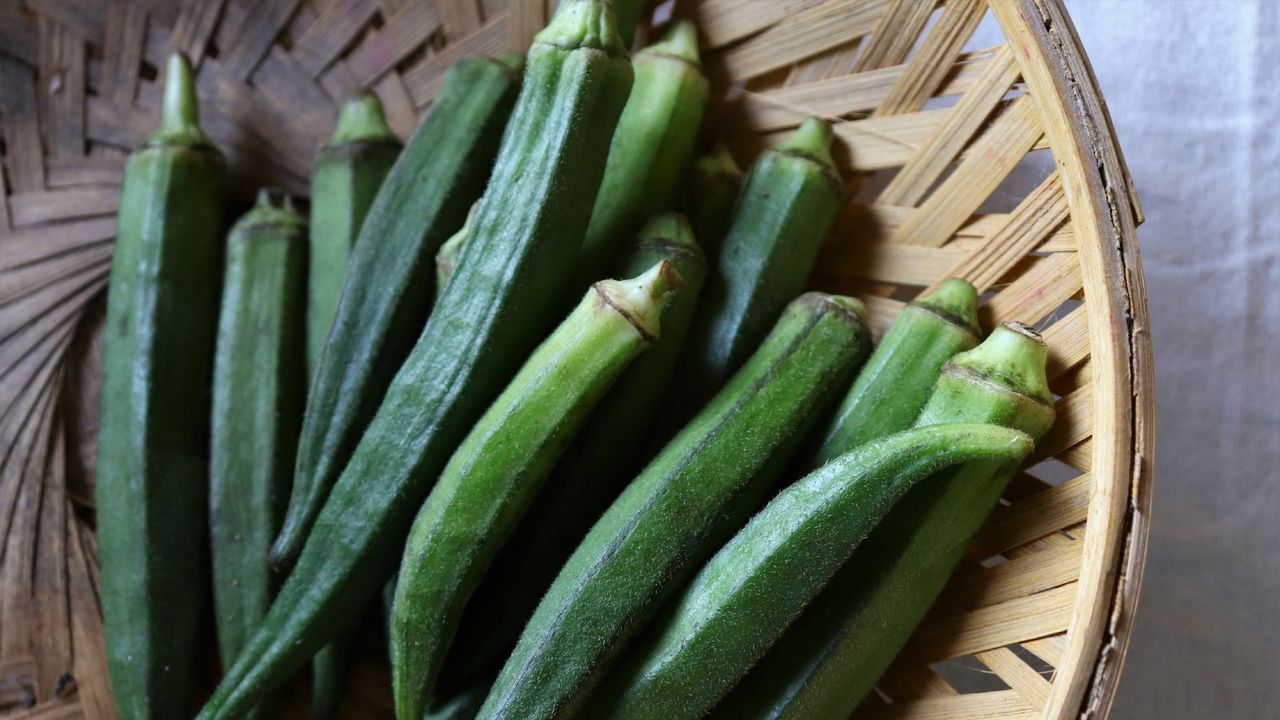
Okra (Abelmoschus esculentus) is a versatile plant celebrated for its culinary uses; however, recent research has uncovered its potential as a natural adhesive. The primary component responsible for its adhesive capabilities is the mucilage—a gelatinous, polysaccharide-rich substance present in the okra pods. This mucilage contains a mixture of complex sugars, including galacturonic acid, rhamnose, galactose, and arabinose, which contribute to its sticky, binding properties.
Extraction Methods and Formulation
Extraction Techniques
Extracting the mucilage from okra is a relatively straightforward process that relies on the aqueous properties of the substance:
- Boiling Process: The okra pods are typically boiled in water, a method that helps to release the mucilage from the plant tissues. The heat facilitates the gelatinization of the polysaccharides, making the substance more soluble.
- Filtration: Once the mucilage is loosened through boiling, the mixture is filtered or sieved to separate the liquid adhesive from the remaining solid plant material. This results in a viscous liquid that can be used directly or further processed.
- Combination with Other Ingredients: For improved adhesive properties or to cater to specific applications, the extracted mucilage is often blended with additional biopolymers such as cassava starch or flour. These additives enhance the thickness and drying characteristics of the resulting glue.
Formulation for Different Uses
The formulation of okra-based adhesive can be modified to suit a range of applications:
- Paper and Craft Adhesives: When blended with cassava starch or flour, okra glue dries with a firm bond suitable for lightweight materials like paper and crafts. Research indicates that the glue performs exceptionally well on thinner papers, where it dries faster.
- Eco-Friendly Packaging: Due to its biodegradable properties, okra-based glue presents an eco-friendly option for packaging materials. Its environmental friendliness makes it an appealing alternative to petroleum-based adhesives.
- Pharmaceutical Uses: Investigations in the pharmaceutical industry suggest that okra mucilage can serve as an effective binder for tablets, providing comparable binding strength to traditional agents like pre-gelatinized starch, while also being non-toxic.
Adhesive Properties and Scientific Insights
Adhesion Mechanism
The adhesive strength of okra mucilage is primarily derived from the hydrogen bonding capabilities of its polysaccharides. The hydroxyl groups present in the mucilage form bonds with the surfaces of the materials being adhered. This hydrogen bonding is crucial for developing a firm and durable adhesive matrix. The viscous nature of the mucilage ensures a good distribution over the substrates, enhancing the contact area and thereby influencing the bond strength.
Scientific Studies and Experimental Results
Several studies have been conducted to evaluate and optimize okra-based adhesives:
- Drying and Performance: Research has demonstrated that when used on paper substrates, okra-based glue tends to dry faster on thinner surfaces as compared to thicker materials like cardboard. This property makes it particularly suitable for applications where rapid setting is crucial.
- Environmental Impact: The non-toxic nature of okra mucilage positions it as an environmentally benign alternative to conventional adhesives that often contain harmful chemicals. The biodegradability of okra glue means that it breaks down naturally, reducing potential environmental hazards.
- Comparative Analysis: Studies comparing okra-based adhesives with synthetic glues have highlighted several advantages, such as cost-effectiveness, ease of preparation, and sustainable sourcing. This comparison underscores the potential for widespread industrial applications.
Applications and Future Directions
Current Applications of Okra-Based Adhesives
The innovative use of okra as an adhesive has several practical applications across various industries:
Crafting and Educational Materials
One of the most accessible applications of okra-based glue is in the realm of arts, crafts, and educational supplies. Its manufacturing process is simple enough for safe use in schools and home projects, providing an eco-friendly adhesive option that minimizes exposure to toxic substances. Its ease of use and cost-effectiveness are appealing factors for teachers and art enthusiasts seeking sustainable alternatives.
Packaging and Laminates
As industries shift towards environmentally-conscious practices, okra-based adhesives are being considered for use in packaging solutions. Paper laminates created using okra glue offer a biodegradable alternative, aligning with the increasing market demand for sustainable packaging materials. Such innovations support waste reduction and contribute to a circular economy.
Pharmaceutical and Industrial Binders
Beyond common household usage, the pharmaceutical industry has recognized the potential of okra mucilage as a binder in tablet formulation. Its equivalent binding strength to traditional agents, along with its inherent non-toxic qualities, suggests that okra-based binders could replace synthetic adhesives in some formulations. Similarly, other industrial applications, where biodegradable adhesives add value, also stand to benefit.
Future Research and Development
While okra-based glue shows considerable promise, several research avenues remain to fully harness its potential:
Enhancing Moisture Resistance
One of the critical challenges associated with using okra-based adhesive is its sensitivity to moisture. In humid environments, the adhesive bonds can weaken, reducing the overall effectiveness of the glue. Future research aims to explore:
- Cross-linking Agents: Integrating natural or synthetic cross-linkers could help stabilize the adhesive structure and improve its resistance to moisture.
- Blending with Other Biopolymers: Combining okra mucilage with other natural biopolymers may create synergistic effects that enhance durability and adhesive strength under variable environmental conditions.
Expanding Industrial Applications
With enhancing techniques, the scope of okra-based adhesives could expand to include:
- Construction Materials: Investigating the potential of okra glue in bonding wood or other construction materials could pave the way for sustainable building practices.
- Automotive and Aerospace Industries: Where stringent standards exist, further research could integrate okra-based adhesives as eco-friendly solutions in select applications.
Comparative Table of Adhesive Properties
| Property | Okra-Based Adhesive | Conventional Synthetic Adhesives |
|---|---|---|
| Mucilage Content | Rich in natural polysaccharides | Varies; often petrochemical-based |
| Environmental Impact | Biodegradable and non-toxic | Often contains harmful chemicals |
| Cost-Effectiveness | Low production cost using readily available materials | Usually higher due to chemical processing |
| Applications | Paper crafts, packaging, pharmaceuticals | Wide ranging; industrial, domestic, packaging |
| Moisture Sensitivity | Needs improvement in humid conditions | Varies, some formulations are moisture resistant |
Environmental and Economic Advantages
Using okra-based adhesive offers significant environmental and economic benefits:
Sustainability
One of the most compelling aspects of okra glue is its alignment with sustainable development principles. The raw materials used are both renewable and biodegradable, dramatically reducing the environmental footprint compared to synthetic adhesives derived from petroleum. Its non-toxic nature also means that it poses minimal health risks during manufacturing and use. This reduced toxicity is ideal for environments such as schools, homes, and industries moving toward greener production methods.
Economic Viability
From an economic perspective, the production costs associated with okra-based adhesives are relatively low, especially when compared to the expenses involved in conventional adhesive production. The ready availability of okra in many regions further drives down costs, making it an accessible solution for small-scale as well as industrial applications. Moreover, as research helps enhance its performance attributes, okra-based glues could see increased adoption, spurring innovation in related markets.
References
- Okra as Alternative Glue - Studocu
- Exploring Okra as an Eco-Friendly Alternative Glue - Course Hero
- Okra Glue Research - Scribd
- Okra Glue Research - EduCheer
- Research Paper on Okra Glue - Scribd
Recommended Queries
Last updated March 19, 2025