
Exploring Okra-Based Adhesives
An in-depth look at the science and application of okra as an eco-friendly glue
Key Insights
- Mucilage Composition: Okra pods contain natural polysaccharides that impart adhesive properties.
- Eco-friendly Alternative: The natural extraction process provides a non-toxic and biodegradable adhesive.
- Applications and Challenges: While suitable for light and medium adhesive tasks, limitations include lower strength and moisture sensitivity.
Understanding Okra as an Adhesive
Overview and Background
Okra (Abelmoschus esculentus) is much more than a culinary ingredient. Recent studies and innovative research projects have highlighted its potential as a natural adhesive. Its ability to function as glue comes from the mucilage, a thick, slimy substance rich in polysaccharides such as galacturonic acid, rhamnose, galactose, and arabinose. These compounds facilitate adhesion through hydrogen bonding, which is key in holding materials together.
Extraction Process
Step-by-Step Extraction
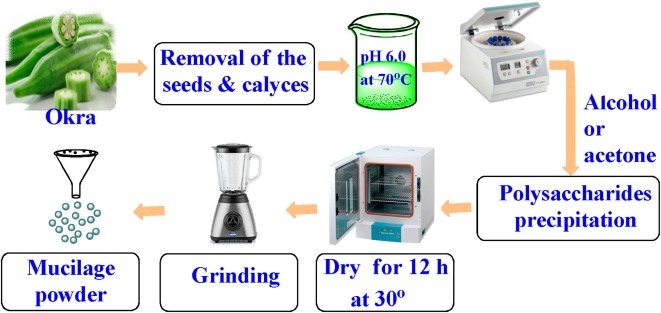
The extraction of okra mucilage is relatively simple and inherently sustainable. The process generally involves:
- Harvesting and Preparing: Okra pods are harvested and then washed to remove impurities.
- Boiling: The pods are sliced and boiled in water. This process encourages the mucilage to be released into the solution.
- Filtration: The resulting boiled mixture is filtered to separate the slimy mucilage from the solid plant matter.
- Blending with Other Substances: For improved adhesive qualities, the extracted mucilage is often mixed with additional natural ingredients such as cassava starch, glutinous rice, or other biopolymers. This blending optimizes consistency and adhesive strength.
Chemical Composition and Mechanism
The functionality of okra mucilage as a glue originates from its complex chemical composition. The high concentration of polysaccharides in the mucilage contributes to its thickening and binding abilities. When the mucilage is applied to surfaces, the network of polymer chains forms a cohesive matrix through hydrogen bonding, creating an adhesive layer between the substrates.
In more precise terms, the interaction can be represented scientifically as a formation of numerous hydrogen bonds connecting functional groups in the polysaccharides to polar groups on the surfaces, which offers the adhesive its binding capability.
Applications and Practical Use Cases
Usage in Everyday Tasks
Okra-based adhesives have potential uses in a range of environmentally sensitive and practical applications. They are particularly attractive for projects where typical chemical adhesives may pose health or environmental risks. Some notable applications include:
- Paper Bonding: Due to its moderate adhesive strength, okra-based glue is well suited for paper laminates and crafts, where the demands for high tensile strength are lower than in industrial settings.
- Eco-friendly Packaging: As an alternative in the production of biodegradable packaging materials, okra glue contributes to reducing environmental impact.
- Crafting and DIY Projects: Given its availability and ease of preparation, many hobbyists and artisans use okra glue for creative projects, especially where non-toxic materials are desired.
Industrial and Experimental Uses
Beyond everyday crafts, there is emerging research into utilizing okra-derived adhesives in more technical applications such as low-cost acoustic gels and paper laminates. However, the natural composition of okra glue means that while it offers initial adhesive strength, issues like moisture sensitivity and longer drying times sometimes restrict its use in demanding industrial contexts. Researchers are experimenting with formulations that blend okra mucilage with other biopolymers, cross-linking agents, or modifying the extraction process to enhance durability and resistance to humidity.
Advantages and Challenges
Advantages
The movement toward sustainable products has highlighted a number of benefits associated with okra-based adhesives:
- Non-Toxicity: Unlike many conventional synthetic glues that may contain harmful chemicals, okra-based adhesives are chemical-free and environmentally safe.
- Biodegradability: Being completely natural, these adhesives break down over time without leaving harmful residues, which significantly reduces environmental impact.
- Cost-Effectiveness: Easily sourced and processed, okra is an affordable component for adhesive production, especially suitable in resource-limited settings.
- Sustainability: The renewable nature of okra represents a trend toward using natural resources to mitigate reliance on petroleum-based products and reduce ecological footprints.
Challenges
Despite the many advantages, there are several challenges to consider for the widespread adoption of okra-based adhesives:
- Adhesive Strength: Although promising, the strength of okra glue generally does not match that of more sophisticated synthetic adhesives, which limits its application in high-demand scenarios.
- Drying Time: The natural composition often results in a longer drying period, which can be undesirable in many practical situations.
- Moisture Sensitivity: Okra-based adhesives tend to be more sensitive to moisture. In high-humidity conditions, the adhesive bonds can deteriorate faster, necessitating formulation tweaks or additional protective measures.
- Standardization: One of the key hurdles is the lack of standardized processes in extraction and formulation, which is crucial for consistent industrial-scale production.
Detailed Comparative Analysis
Comparison of Properties
| Feature | Okra-Based Adhesive | Commercial Synthetic Adhesive |
|---|---|---|
| Mucilage Composition | Rich in polysaccharides (galacturonic acid, rhamnose, arabinose) | Sophisticated polymer blends |
| Adhesive Strength | Sufficient for paper and light materials | Generally higher tensile strength |
| Drying Time | Longer drying period | Rapid set time |
| Environmental Impact | Biodegradable and non-toxic | Often non-biodegradable, chemical residues |
| Cost Effectiveness | Low-cost and renewable raw material | Higher production costs and environmental remediation |
| Moisture Sensitivity | More sensitive to moisture and humidity | Varies with formulation; typically more stable |
Future Prospects and Research Directions
Advancements in Formulation
Ongoing research is focused on improving the performance of okra-based adhesives to match industrial standards. Areas of interest include:
- Enhancing Adhesion: Researchers are experimenting with combining okra mucilage with other natural polymers or incorporating cross-linking agents to improve the adhesive bond strength and resistance to environmental stress.
- Optimizing Drying Times: Modifying the formulation to reduce drying periods without compromising its biodegradable benefits is another critical area of research.
- Multipurpose Formulations: Developing versatile adhesives that could be used not only in craft and paper applications but also in packaging, low-cost acoustic gels, and other niche industrial uses.
Economic and Environmental Impact
The benefits of moving towards natural adhesives like those derived from okra can have a broader impact on both the economy and the environment. With the growing global commitment to sustainability:
- Cost Reduction: Leveraging agricultural by-products such as okra increases resource efficiency and can lower the overall production cost for adhesives, especially in developing regions.
- Environmental Considerations: Transitioning from synthetic adhesives, which are often derived from non-renewable resources, to natural alternatives can significantly lower carbon footprints and reduce harmful environmental residues.
- Socio-Economic Benefits: The introduction of alternative adhesive production methods could boost local agriculture and small-scale industries by creating new market opportunities for farmers and artisans.
Practical Guidelines for DIY Applications
Creating Your Own Okra Glue
For those interested in experimenting with okra-based adhesives at home or in a small workshop, here are some practical guidelines:
- Ingredients:
- Fresh okra pods
- Water
- Optional: Cassava starch or glutinous rice powder to adjust consistency
- Procedure:
- Wash and slice the okra pods to increase the surface area.
- Boil the slices in a measured amount of water until the mucilage is visibly released into the water.
- Cool and filter the mixture to separate the mucilage from the solid parts.
- Optionally, mix in some cassava starch or glutinous rice powder to improve the texture and adhesion if required.
- Apply the mixture to your chosen surface, and allow it to dry thoroughly.
This DIY approach not only empowers enthusiasts to explore sustainable alternatives but also illustrates how traditional knowledge and modern research can come together to offer practical solutions with a reduced environmental impact.
References
- Okra Abelmoschus Esculentus as Alternative Glue - EduCheer!
- Okra Mucilage as Alternative Glue - Course Hero
- Okra Glue Research - Scribd
- Okra as an Alternative Ingredient for Glue - Prezi
- Utilization of Okra Mucilage as Fabric Adhesive - StuDocu
Recommended Related Queries
Last updated March 19, 2025