
Unlocking the Natural Power of Okra Glue
Discover how okra's mucilaginous magic is redefining eco-friendly adhesives
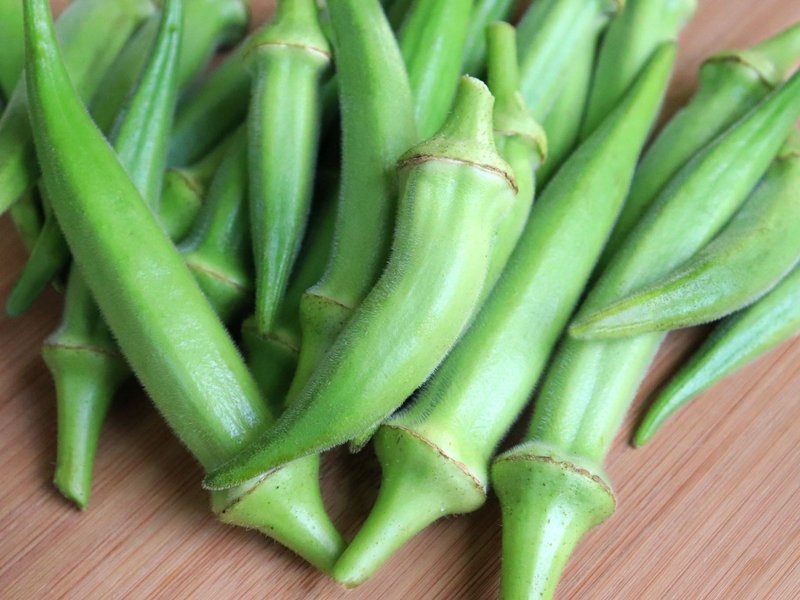
Highlights of Okra Glue
- Eco-Friendly Innovation: Okra glue offers sustainable and biodegradable alternatives to synthetic adhesives.
- Natural Extraction: Derived from okra mucilage through heating and blending, providing effective bonding.
- Versatile Applications: Suitable for arts and crafts, industrial light uses, and even biomedical fields.
Introduction to Okra Glue
Okra glue is a natural adhesive derived from the mucilage of the okra pod, scientifically known as Abelmoschus esculentus. This natural substance, known for its slimy consistency, is not only a culinary asset for thickening soups and sauces but also exhibits properties that are harnessed to create eco-friendly glue. Today, innovative applications and extensive research continue to reveal the potential of okra-based adhesives as a sustainable alternative to conventional synthetic glues. In this comprehensive guide, we explore the extraction techniques, properties, and applications of okra glue, highlighting its practical benefits and environmental advantages.
Extraction and Preparation of Okra Mucilage
The Extraction Process
At the heart of okra glue is the mucilage—a gelatinous, slimy substance found particularly in the upper portions of okra pods. Extraction typically involves:
- Selecting and slicing the upper part of the okra pods which normally contain the densest mucilage.
- Applying heat via pan-frying, simmering, or steaming to liberate the mucilage from the plant cells.
- Sieving or blending the heated okra to collect a viscous extract which is then used as the base for the glue.
This process not only ensures the highest yield of the adhesive component but also minimizes waste from the parts of the okra that are generally discarded before cooking.
Formulation and Optimization
The extracted mucilage can be mixed with water, flour, or even other natural starches such as cassava or glutinous rice powder to enhance its adhesive performance. The precise mixture depends on several factors:
- Consistency: The balance between mucilage and secondary ingredients determines the final texture and bonding strength.
- Drying Time: An optimal blend results in a glue that dries faster on thin surfaces like paper, while thicker materials such as cardboard require adjusted formulations.
- Odor Considerations: Although okra glue may emit a more distinct odor than commercial glues, it poses no toxicity risks.
Research investigations have demonstrated that blending these ingredients correctly can yield a natural adhesive that is both effective and environmentally responsible.
Properties and Benefits of Okra Glue
Chemical and Physical Attributes
The primary component, mucilage, is rich in polysaccharides—a complex carbohydrate that lends the glue its sticky and viscous properties. Its physical and chemical properties include:
- Biodegradability: Unlike synthetic adhesives, okra glue is biodegradable and helps reduce environmental pollution.
- Non-Toxicity: Being a natural product, it is particularly safe for classroom and household use.
- Versatility: It adheres to various substrates including paper, wood, and fabric, and has even been considered for biomedical applications due to its excellent biocompatibility.
- Hemostatic Potential: Studies have highlighted that okra mucilage can assist in blood clotting, suggesting applications in wound healing and other medical uses.
Environmental and Health Considerations
Okra glue not only promotes environmental sustainability but also offers benefits related to health:
- Eco-Friendly: Its natural origins make it an attractive option for reducing reliance on chemicals in adhesives.
- Reduced Risk Exposure: Particularly in educational settings, using a non-toxic adhesive minimizes exposure to harmful industrial compounds.
- Cost-Effectiveness: As okra is widely available and inexpensive, creating glue at home or on industrial scales may lower costs significantly.
Applications of Okra Glue
In Education and Crafts
One of the popular uses of okra glue is in the domain of arts and crafts. Many schools, especially in resource-limited settings, are turning to okra-based adhesives for tasks such as:
- Paper bonding for projects and handmade books.
- Craft projects including scrapbooking and card making.
- Creating biodegradable models or prototypes.
These applications benefit from okra glue's fast-drying quality on thin substrates, making it ideal for paper-based projects that require quick setting times.
Industrial and Biomedical Prospects
Recent research has explored the potential of okra glue in areas beyond traditional crafting. Its adhesive and hemostatic properties have sparked interest in:
- Sustainable Packaging: Utilizing natural adhesives in packaging to reduce the environmental footprint of disposable products.
- Light Industrial Uses: Bonding materials in woodwork and paper industries as an eco-friendly alternative to chemical glues.
- Biomedical Applications: Investigating the use of okra mucilage in wound dressings and as a bioadhesive that could promote faster healing.
Visual Data Representation
Radar Chart: Evaluating Key Properties
The following radar chart illustrates the comparative performance of okra glue across multiple dimensions such as Adhesive Strength, Biodegradability, Cost-Effectiveness, Versatility, and Drying Time. Each dataset represents a subjective evaluation based on extensive research and development feedback.
Mindmap of Okra Glue Concepts
Understanding the Connections
This mindmap outlines the primary components and relationships within the concept of okra glue. It connects extraction methods, key characteristics, and various applications into an integrated overview.
Comparative Overview Table
The table below summarizes the comparative characteristics of okra glue versus traditional synthetic adhesives. It provides a practical guide for users interested in the environmental and functional benefits of natural adhesives.
| Characteristic | Okra Glue | Synthetic Glue |
|---|---|---|
| Adhesive Strength | Comparable for light to medium bonding tasks | Highly effective for industrial-strength applications |
| Biodegradability | 100% biodegradable | Non-biodegradable, contributes to plastic pollution |
| Cost | Low cost; ingredients readily available | Higher production costs with chemical inputs |
| Safety & Toxicity | Non-toxic and safe for educational use | May contain harmful chemicals |
| Drying Time | Faster on thin substrates | Varies; often slower on porous materials |
| Environmental Impact | Highly sustainable and eco-friendly | Environmentally harmful over long-term use |
Multimedia Resources
Instructional Video: Making Glue from Okra
Explore a practical demonstration of how to create okra glue from scratch. This video guide provides step-by-step instructions on extracting mucilage, formulating the adhesive, and testing its effectiveness. It is especially useful for those new to natural adhesives and looking for a DIY approach.
In-Depth Analysis and Future Insights
Exploring the Statistical Performance
While research into okra glue is ongoing, studies have revealed promising results in terms of adhesion, drying time, and environmental benefits. Compared to commercial adhesives, okra glue may have a slight disadvantage in sheer bonding strength when used in heavy-duty applications. However, its significant ecological and health benefits provide a strong argument for its broader adoption.
Future research is expected to focus on:
- Optimizing Formulations: Finding the best combinations of okra mucilage with other natural ingredients to enhance its performance for various applications.
- Scaling Production: Developing methods to produce okra glue on an industrial scale while maintaining its eco-friendly characteristics.
- Expanding Usage: Investigating new applications, particularly in medical and packaging industries, where biodegradable adhesives are in high demand.
- Long-Term Durability: Conducting longitudinal studies to better understand the longevity and durability of okra glue in various environmental conditions.
Scientific and Practical Implications
Okra glue exemplifies how traditional natural resources can be reengineered to solve modern environmental challenges. Its transition from a culinary byproduct to a valuable adhesive highlights crucial insights:
- Sustainability: With increasing concerns about plastic pollution and chemical waste, natural adhesives like okra glue present a sustainable alternative.
- Innovation in Bioadhesives: The integration of traditional natural materials in new technologies points to a broader trend in sustainable product development.
- Practical Adaptations: From classroom projects to experimental industrial applications, adapting okra glue in various contexts promotes creative uses of what was once considered waste.
- Health and Safety: Its inherent non-toxicity makes it particularly suited for sensitive environments such as schools and hospitals.
Frequently Asked Questions
References
- Study on Okra Mucilage - Studocu
- Okra as Alternative Glue Essay - StudyMoose
- Research Paper on Okra Glue - Scribd
- Okra Glue Research - Scribd
- Okra and Its Mucilage Secrets - Wholistic Matters
Recommended Related Queries
Last updated March 31, 2025