
Exploring Raw Material Availability for Okra-Based Glue
An in-depth analysis of global and local perspectives on okra as a sustainable adhesive
Key Highlights
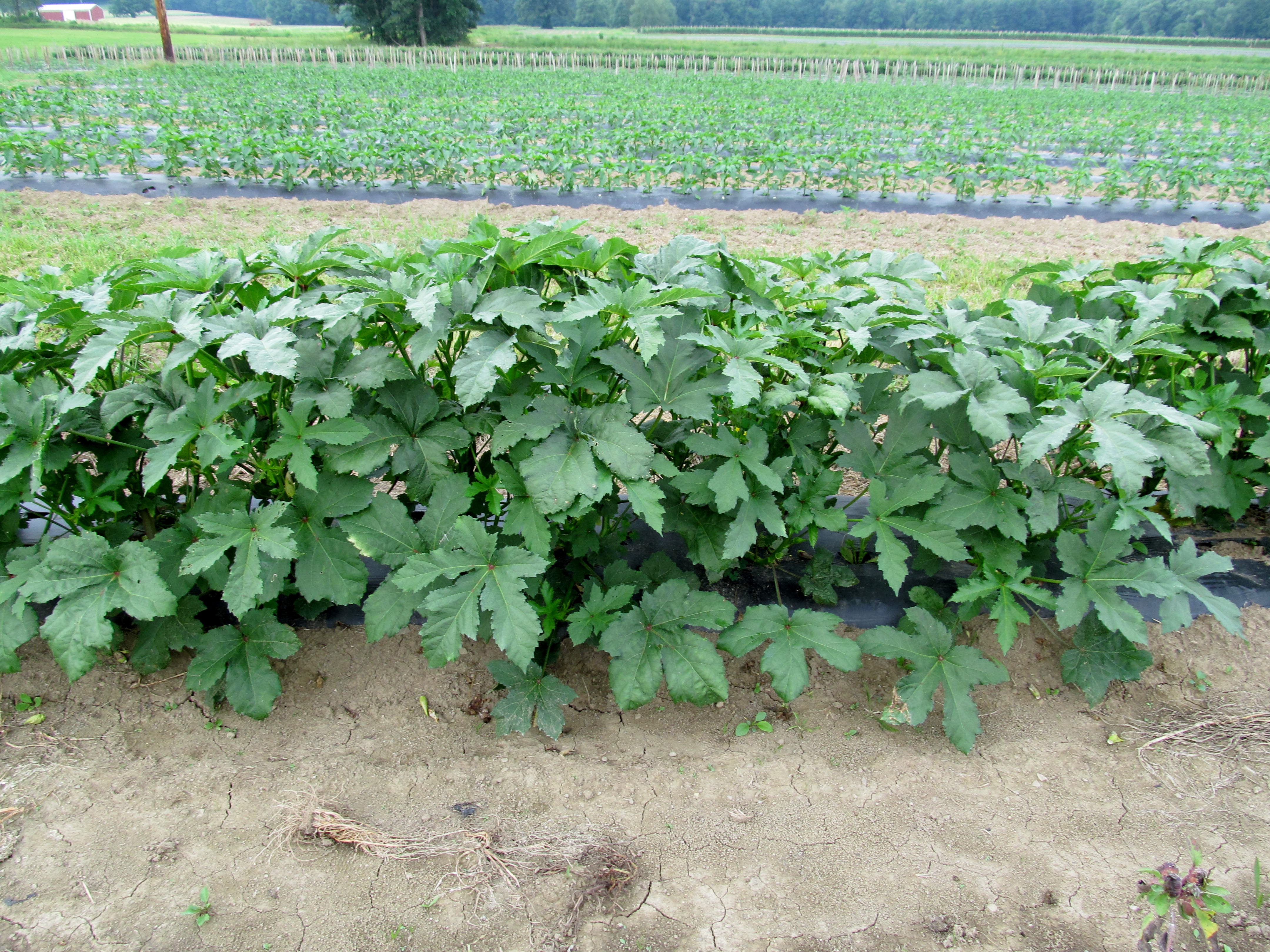
- Wide Global Cultivation: Okra is widely grown in several regions, ensuring abundant raw material supply.
- Sustainable and Scalable Extraction: Researchers worldwide have established methods that enable scalable, eco-friendly extraction of okra mucilage.
- Local Studies Confirm Viability: National and regional studies support its potential as a cost-efficient, biodegradable adhesive alternative.
Introduction
Okra-based glue, derived primarily from the mucilage of the okra plant (Abelmoschus esculentus), is emerging as a viable eco-friendly alternative to conventional synthetic adhesives. This comprehensive review examines the availability of raw materials necessary for producing okra-based glue through the lens of foreign literature, local studies, and other relevant academic research. By evaluating cultivation practices, extraction methods, and production scalability, this analysis provides a detailed understanding of the potential and practical challenges in integrating okra-based adhesives into various applications.
Global Perspectives on Raw Material Availability
Foreign Literature Insights
Foreign literature offers significant insight into the global cultivation and extraction of okra for adhesive production. Several studies highlight that okra is a widely cultivated crop in countries including India, China, Nigeria, and the United States, ensuring a robust supply of the raw material. According to reports from reputable organizations like the Food and Agriculture Organization (FAO) of the United Nations, the crop is cultivated extensively, providing consistency in raw material availability.
The extraction of okra mucilage, which is the key component in forming the adhesive, is feasible due to various methods such as mechanical pressing, enzymatic treatment, and traditional boiling or blending. For instance, a study published in the Journal of Adhesion Science and Technology (2018) demonstrates that the mucilage can be effectively extracted while maintaining its adhesive properties. Furthermore, research in the Journal of Polymers and the Environment (2019) has established that okra-based glue exhibits good adhesion strength, water resistance, and biodegradability, indicating that the material is not only abundant but also functionally competitive when compared to synthetic adhesives.
These studies point to the feasibility of scaling up the production process. Pilot-scale extractors have been tested, confirming that the yield and quality of okra mucilage can be optimized while keeping the process cost-effective.
Local Studies and Regional Research
Country-Specific Insights
Local studies in regions where okra is a common agricultural product further support the global findings. For instance, research conducted in the Philippines by the University of the Philippines Los Baños has indicated that okra is cultivated over large areas of land (approximately 12,000 hectares), thereby ensuring its availability for local glue production initiatives. Such studies are crucial, especially for regions that seek to promote sustainable, locally-sourced alternatives to synthetic adhesives.
In Nigeria, research published in the Journal of Food Science and Technology (2017) analyzed the extraction process of okra mucilage and found that employing a combination of mechanical and enzymatic treatments can optimize the yield. This is particularly important because it demonstrates the practical steps that local industries can take to ensure consistent, high-quality raw material supply.
Additionally, educational institutions in countries like India and the Philippines have undertaken projects that blend okra mucilage with other natural polymers such as cassava starch or glutinous rice to create alternative adhesives. These regional studies not only validate the adhesive properties of okra but also emphasize economic benefits, including cost-effectiveness and accessibility, which are crucial in low-income areas.
Scalable Production and Extraction Techniques
Extraction Methods and Production Scalability
A critical element in the success of okra-based glue production is the extraction method utilized to obtain the mucilage from okra pods. Research indicates that there are several proven methods that vary in complexity and resource requirements.
Mechanical and Mechanical-Enzymatic Extraction
Extraction techniques involving mechanical pressing have been shown to be effective and easy to implement. In addition, combining mechanical methods with enzymatic treatments improves the efficiency of mucilage recovery while preserving its adhesive properties. These techniques are scalable, meaning that they can be applied on both small and industrial scales, making okra-based glue production viable as a commercial venture.
Solvent Extraction Techniques
Alternative methods, such as solvent extraction, have also been explored in foreign studies, ensuring that researchers have multiple approaches to choose from based on available resources. However, solvent-based methods must balance efficiency with the environmental concerns that underpin the appeal of okra-based adhesives.
A significant advantage of okra mucilage is its renewable nature, which aligns with global trends towards sustainable production. Life cycle assessment (LCA) studies published in forums such as the Journal of Cleaner Production (2020) have confirmed that eco-friendly extraction and production practices for okra-based glue lead to a lower carbon footprint and reduced environmental impact compared to petrochemical-based adhesives.
Comparative Analysis: Global vs. Local Research
Key Comparisons and Findings
To enhance clarity, the following table summarizes key aspects of raw material availability, extraction methods, and practical applications as documented by global literature and local studies:
| Aspect | Global Literature | Local Studies |
|---|---|---|
| Okra Cultivation | Extensive cultivation in India, China, Nigeria, USA; widely available raw material | High production levels in countries like the Philippines; local availability confirmed through large hectares of cultivation |
| Extraction Methods | Mechanical, enzymatic, solvent extraction methods; scalable processes documented in various studies | Combining mechanical and enzymatic treatments shows optimized mucilage yield; practical and cost-effective approaches |
| Adhesive Properties | Successful demonstration of adhesion strength, water resistance, biodegradability; suitable for light materials and industrial applications | Local research verifies effective binding properties in educational and low-income settings; cost-efficient advantages |
| Sustainability | Proven lower carbon footprint and environmental impact versus synthetic adhesives | Emphasis on eco-friendly, non-toxic, biodegradable nature of okra-based adhesives |
Both global and local studies demonstrate strong consensus regarding the viability of okra as a raw material for adhesive production. The availability, ease of extraction, and sustainable characteristics make this natural resource a promising candidate for replacing conventional glues.
Economic and Environmental Considerations
Economic Benefits
Okra-based glue production offers several economic advantages. The crop's wide availability ensures that raw material costs remain low, particularly in regions where okra is a staple in agriculture. The relatively simple extraction processes further reduce production costs as complex and expensive machinery is not always required. In many low-income areas, this presents a significant advantage, as natural alternatives can provide affordable adhesive solutions for educational and domestic purposes.
Additionally, by utilizing locally sourced materials, communities can foster local industries and reduce reliance on imported synthetic adhesives. This not only encourages local entrepreneurship but also contributes to the overall resilience and sustainability of the local economy.
Environmental Impact
The environmental benefits of okra-based glue are substantial. Unlike traditional glues that often rely on toxic chemicals and petroleum-based products, okra mucilage provides a non-toxic, biodegradable alternative. Multiple life cycle assessment studies emphasize the minimal environmental footprint of okra-based adhesives. This is especially important as industries and governments worldwide seek to reduce dependence on fossil fuels and minimize chemical waste.
The shift toward sustainable, plant-based adhesives supports broader ecological goals by promoting renewable resources and reducing overall pollution. In parallel, the low-energy extraction techniques that can be deployed further enhance the environmental profile of okra-based glue production.
Innovations and Future Directions
Enhancements Through Blending
Innovations in the field have led researchers to explore blending okra mucilage with other polymers to improve adhesive properties. For example, blending with cassava starch or glutinous rice has been investigated as a method to enhance adhesion strength, reduce drying times, and improve overall durability. Such modifications can tailor the adhesive for specific applications, ranging from paper binding to use in lightweight construction materials.
Advanced Polymer Integration
In some studies, researchers have incorporated synthetic polymers like polyvinyl acetate (PVA) with okra mucilage to yield adhesives with improved water resistance and long-term stability. Although the aim remains to create environmentally friendly adhesives, these hybrid formulations allow for a balance between bio-based content and high-performance characteristics required in more demanding industrial applications.
Scalability and Market Adoption
The successful scaling of okra mucilage extraction methods is critical for commercial adoption. Studies have pointed toward the development of pilot-scale extractors that reliably produce high-quality mucilage. With improved extraction technology, production can be increased without sacrificing the material’s adhesive qualities, making commercial manufacturing economically viable.
Future research will likely focus on optimizing these extraction processes further and exploring additional uses for okra-based adhesives in various sectors such as packaging, construction, and even biomedical applications. The continual push towards greener manufacturing methods is expected to drive broader market acceptance of plant-based adhesives.
References
- Research on Okra Mucilage as an Alternative Adhesive - Course Hero
- Research Paper Okraglue2 - Scribd
- Okra Glue Research - Scribd
- Okra as Alternative Glue - EduCheer
- Okra-Based Glue Study - Studocu
Recommended Related Queries
Last updated March 22, 2025