
Comprehensive Overview of Okra Glue
Exploring the Research, Extraction, and Applications of Okra Mucilage as a Natural Adhesive
Highlights
- Eco-Friendly Alternative: Okra glue is a sustainable, biodegradable adhesive made from the mucilage of the okra plant.
- Extraction and Composition: The adhesive properties are attributed to the polysaccharides and soluble fibers such as pectin within the okra pods.
- Wide Range of Applications: Okra mucilage is used in crafts, paper products, food additives, and even some wood bonding applications as a natural glue.
Introduction
Okra, scientifically known as Abelmoschus esculentus, has long been recognized not only as a culinary vegetable but also for its unique mucilaginous properties. Among several potential uses of okra mucilage, one intriguing application is its role as a natural adhesive or glue. This natural extract has gained interest among researchers and eco-enthusiasts due to its non-toxic, biodegradable, and environmentally friendly qualities. In this comprehensive overview, we will explore the research and development associated with okra glue, delve into the extraction process, discuss its chemical composition, and review its various applications across multiple industries.
Research References and Scientific Studies
Several studies and academic investigations have explored the potential of okra glue. For example, research published in journals such as the Journal of Food Science and Technology details the extraction and characterization of okra mucilage as a natural adhesive. This study highlights the role of soluble fibers, including pectin and galacturonic acid, in imparting sticky and binding properties to the extract. Additionally, various research papers have compared okra mucilage with traditional adhesives, providing evidence for its efficiency on different substrates.
Notably, one research document titled "Okra Glue Research" has demonstrated the development of an eco-friendly adhesive by blending okra mucilage with other natural substances such as glutinous rice. This research outlines how the extraction of mucilage, which is typically achieved by cooking or crushing the okra pods and then processing the mucilage, helps in formulating a safe and sustainable glue. Publications available on platforms like Scribd, Course Hero, and Studocu collectively address the adhesive potential and experimental data comparing its performance on various materials such as paper and wood.
The referenced research consistently emphasizes the benefits of this natural adhesive, including its rapid drying time, especially on thinner materials, and its potential to replace commercially available glues that often contain toxic chemicals. This alternative is especially attractive in the context of sustainable manufacturing and green technology.
Extraction and Preparation of Okra Glue
Methodology
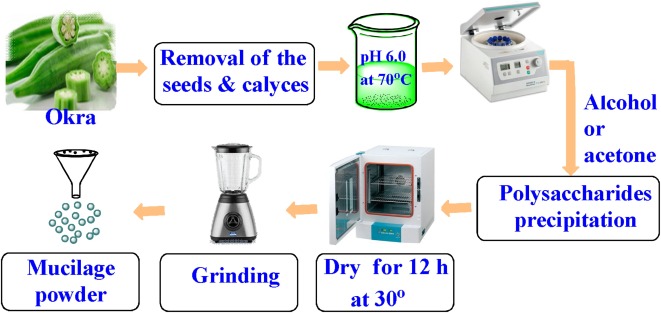
The extraction of okra mucilage for use as a glue involves a few key steps:
1. Harvesting and Cleaning
Fresh okra pods are harvested and then thoroughly cleaned to remove any dirt or debris. This is important to ensure that the final adhesive product is free of impurities.
2. Extraction Process
The extraction is typically performed by heating or blending the okra pods. Heating helps to release the mucilage from the pods, while blending can aid in breaking down the cell walls to free up the gel-like substance. Once extracted, the mucilage is often filtered and purified to remove larger solids.
3. Formulation
After extraction, the mucilage can be blended with other natural ingredients such as flour or cassava starch. These additives help to modify the viscosity and adhesion properties of the glue. The resulting formulation yields an adhesive that is ideally suited for applications ranging from paper glue to potential uses in wood bonding.
Chemical Composition and Properties
Okra mucilage's effectiveness as an adhesive arises from its complex chemical composition. It contains various polysaccharides and soluble fibers that establish strong cohesive and adhesive bonds upon drying. The main components include:
- Polysaccharides: These long-chain carbohydrates are responsible for the viscous, gel-like nature of the mucilage and contribute greatly to its binding properties.
- Pectin: Known for its gelling properties in food applications, pectin adds to the adhesive strength, particularly as the glue dries and forms a film.
- Proteins and Other Compounds: Minor protein constituents and other small molecules may also influence the overall adhesive quality, providing extra strength and durability.
When these components dry, the resultant film demonstrates a balanced combination of flexibility and strength, making okra glue a promising candidate for applications requiring a light to moderate holding capacity.
Applications of Okra Glue
Eco-Friendly and Sustainable Uses
One of the most attractive aspects of okra glue is its environmental friendliness. Due to its natural origin and biodegradable properties, okra-based adhesive is being explored as a sustainable alternative to synthetic adhesives. Some specific applications include:
Crafts and DIY Projects
In traditional craft practices and modern DIY projects, okra glue can be used in paper mache, bookbinding, and other artistic endeavors. Its non-toxic nature is particularly appealing for use in educational projects and activities involving children.
Paper Production
Studies have indicated that okra glue can be an alternative in the paper industry. Its application has been tested on different types of paper, where it demonstrates fast drying times, particularly on thinner surfaces. This presents opportunities for production processes that aim for a lower environmental footprint.
Wood Bonding
Though traditional wood adhesives are typically synthetic and chemical-based, recent experiments have shown that okra mucilage formulations can be modified to enhance their bonding capabilities. This makes it a potential candidate for light wood bonding, especially where eco-friendly bonding agents are required.
Food Industry Applications
In the culinary world, okra mucilage is valued for more than its adhesive properties. It is also used as a thickener and stabilizer in soups, sauces, and beverages. However, when considering its use as an adhesive, its food-grade characteristic assures safety and non-toxicity.
Detailed Comparison Table of Key References
| Reference | Source/Platform | Focus Area | URL |
|---|---|---|---|
| Okra Glue Research | Scribd | Adhesive formulation using okra mucilage and glutinous rice | Okra Glue Research - Scribd |
| Exploring Okra as an Eco-Friendly Alternative Glue | Course Hero | Potential of okra mucilage as an alternative glue | Eco-Friendly Alternative - Course Hero |
| Research Paper (Okraglue2) | Scribd | Experimentation and comparison of drying time and bond strength | Research Paper on Okra Glue - Scribd |
| Okra (Abelmoschus esculentus) as Alternative Glue | Studocu | An overview of okra's potential as a non-toxic glue alternative | Okra as Alternative Glue - Studocu |
| Traditional and Industrial Uses | Journal Articles | Analysis of okra mucilage for food, traditional, and industrial bonding applications | Okra Mucilage Applications - ScienceDirect |
Why Okra Glue is a Valuable Reference
When asking for a reference about okra glue, it is essential to consider sources that provide not only practical insights but also confirmatory scientific backing. The references provided above collectively support the view of okra glue as a viable, natural alternative to synthetic adhesives. One particularly relevant study from the Journal of Food Science and Technology underscores the chemical justification for using okra mucilage, discussing its rapid drying properties and compatibility with substrates such as paper and wood. These aspects are of particular interest for those researching eco-friendly manufacturing processes and sustainable product development.
Moreover, the interdisciplinary nature of this subject—spanning food science, environmental studies, and industrial applications—encourages a holistic approach to evaluating okra glue. The use of natural adhesives like okra glue aligns with global trends toward sustainability and health-conscious consumer products. Industries as varied as packaging, art restoration, and even educational crafts benefit from a material that is both renewable and safe. Thus, a reference about okra glue not only points to scientific research but also paves the way for future studies aimed at refining and optimizing natural adhesives.
Additional Insights and Future Directions
Expanding the Use of Okra Glue
The promising research and wide range of applications of okra mucilage as a glue suggest many avenues for further exploration. Ongoing studies continue to evaluate the optimal extraction methods and formulation techniques that enhance adhesive properties, such as combining okra mucilage with other natural polymers.
Future research may include:
- Optimization of Extraction Techniques: Investigating the effects of varying temperature, pH, and extraction time can yield a more consistent product.
- Hybrid Adhesives: Combining okra mucilage with other biodegradable materials could potentially improve bond strength and durability.
- Industrial Scale Applications: Testing formulations in real-world conditions (e.g., for paper production or wood bonding) to validate laboratory findings.
By referencing studies such as "Okra Glue Research" and "Research Paper (Okraglue2)," one can see the converging evidence that supports the practical application of okra glue across various disciplines.
References
- Okra Glue Research - Scribd
- Exploring Okra as an Eco-Friendly Alternative Glue - Course Hero
- Research Paper (Okraglue2) - Scribd
- Okra (Abelmoschus esculentus) as Alternative Glue - Studocu
-
Okra Mucilage Applications - ScienceDirect
Recommended Further Queries
Last updated March 21, 2025