
Exploring Okra as a Sustainable Alternative Glue
A comprehensive case study summary on okra-based adhesives
Key Insights
- Eco-Friendly Solution: Okra-based adhesives offer a biodegradable and non-toxic alternative to synthetic glues, reducing environmental harm.
- Cost-Efficiency & Accessibility: Derived from a common and renewable resource, okra provides a cost-effective solution that can be produced with simple processes.
- Versatility in Application: The adhesive properties are effective in various applications, ranging from paper bonding to construction materials, promising broad utility.
Executive Case Study Summary
Background
As environmental concerns and economic constraints drive innovation in materials science, research has focused on harnessing natural resources as alternatives to synthetic adhesives. Okra (Abelmoschus esculentus), widely known for its culinary uses, contains mucilage that exhibits sticky and adhesive properties. This case study investigates the potential of converting okra mucilage into an effective, eco-friendly glue.
Objectives
The primary goals of the study are:
- Examine the adhesive properties of okra mucilage compared to conventional adhesives.
- Assess the viability of okra glue as a cost-effective and accessible alternative.
- Determine the environmental benefits of utilizing a natural, biodegradable adhesive.
- Evaluate its performance across different materials including paper, fabric, wood, and even construction composites.
Methodology
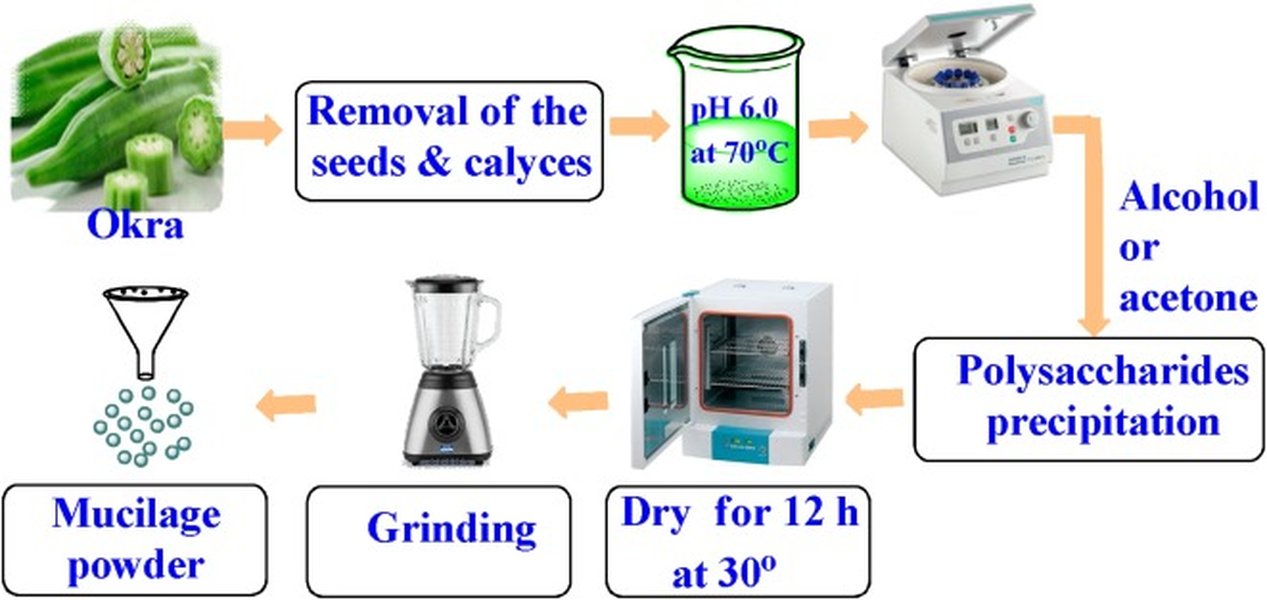
Material Extraction and Preparation
The study commenced by carefully selecting fresh okra pods and isolating the mucilage through a series of steps. After cleaning, the pods were cut longitudinally, and the mucilage was extracted by boiling them in water. The boiling process was optimized to ensure maximum extraction efficiency, and the solution was subsequently filtered to remove solid residues. In some experimental iterations, the mucilage was later combined with natural binders like cassava starch or flour to enhance the adhesive properties.
Laboratory Testing
A series of systematic tests were conducted to compare the performance of okra glue with traditional synthetic adhesives. Key parameters included:
- Tensile Strength: Measuring the bond strength on bonded materials such as paper, wood, and cardboard.
- Drying Time: Evaluating the duration required for the glue to set, particularly comparing thin and thick substrates.
- Durability: Assessing the resistance of the adhesive bond against moisture variations, temperature changes, and mechanical stress.
Field Trials and Comparative Analysis
Beyond laboratory settings, the adhesive was used in real-world scenarios including school projects and small-scale construction applications. Field trials were performed where okra glue was applied to bind wood panels, reinforce concrete, and secure paper-based documents. The performance was benchmarked against conventional adhesives like epoxy and synthetic polymer glues.
Results and Findings
The research yielded significant insights, confirming that okra-based adhesives possess practical potential:
- Adhesive Efficacy: Testing confirmed that the glue derived from okra mucilage forms a fairly robust bond similar to synthetic glues, although slight variations in consistency were noted depending on the additives and substrate types.
- Drying Characteristics: The glue displayed rapid drying times on thin paper while thicker materials such as cardboard demanded longer setting periods. This performance metric was seen as beneficial for quick applications on lighter materials.
- Environmental Impact: As a biodegradable and non-toxic adhesive, okra glue offers a significant ecological advantage over petroleum-based glues, making it attractive for educational and environmentally sensitive projects.
- Cost Efficiency: By utilizing a naturally abundant and inexpensive resource, the production cost of okra adhesive is considerably lower, a factor especially favorable in resource-constrained communities or academic settings.
Discussion
The case study illustrates that okra offers a promising alternative for adhesive applications by merging cost-effectiveness with environmental sustainability. Environmental benefits such as biodegradability minimize ecological footprints while also addressing health concerns associated with toxic chemical residues inherent in many synthetic glues. Moreover, the simplicity of the extraction process—despite some scalability challenges—opens avenues for local production and community-based applications. Yet, certain challenges remain:
- Scalability: Ensuring consistent extraction quality on a large scale requires further investigation and potential standardization of the process.
- Durability Issues: While effective for light-duty applications, the adhesion strength for heavy load-bearing applications warrants additional enhancements in formulation.
- Market Acceptance: Overcoming skepticism in traditional adhesive markets is critical for achieving wider adoption. Educational initiatives and demonstrative projects are recommended to build consumer confidence.
Implications for Future Research
The positive outcomes suggest a need for extended research and development:
- Optimization of the formulation by experimenting with varied ratios of mucilage and natural binders can further improve adhesive strength.
- Exploring additional applications in both construction and non-construction fields can broaden its utility.
- Collaboration with industry partners to pilot the technology at a larger scale will help validate its commercial viability.
- Investments in research to refine extraction and blending processes could lead to new preparatory methodologies that maximize performance while minimizing water and energy consumption.
Visual Enhancements and Data Presentation
Performance Metrics Visualization
The following radar chart represents a high-level analysis of key performance areas for okra-based adhesives, including tensile strength, drying time, environmental impact, cost efficiency, and versatility. Each dataset in the chart highlights a different performance metric determined during testing and field trials.
Conceptual Mindmap Overview
To further illustrate the interrelated aspects of okra-based adhesives, the mindmap below outlines the key components, benefits, challenges, and future opportunities presented in this study.
& Production Methods") Benefits("Eco-Friendly
Cost Savings") Testing("Laboratory Analysis
Field Trials") Challenges("Scalability
Durability
Market Acceptance") Future("Further Optimization
Industry Partnerships")
Comparative Data Table
The table below provides a comparative view of various adhesive properties of okra-based glue versus traditional synthetic adhesives and other natural alternatives. This table summarizes key performance parameters, addressing applicability across different use cases.
| Parameter | Okra-Based Glue | Synthetic Adhesives | Other Natural Alternatives |
|---|---|---|---|
| Tensile Strength | Moderate to High | High | Moderate |
| Drying Time | Fast on thin substrates; slower on thick materials | Consistent | Variable |
| Environmental Impact | Low (Biodegradable, Non-Toxic) | High (Chemical-based) | Low |
| Cost Effectiveness | High | Moderate to Low | High |
| Scalability | Requires process standardization | Well-established | Emerging |
Supplemental Media: Informative Video
For a detailed visual walkthrough of the extraction process and subsequent testing of okra-based adhesive properties, please view the embedded video. It provides an engaging overview of how okra can be transformed into an effective glue.
Frequently Asked Questions
What makes okra a viable alternative to synthetic glues?
How is the okra mucilage extracted and prepared for use?
In what applications has okra-based glue been tested?
What are the future challenges and research directions for okra glue?
References
- Studocu - Okra as Alternative Glue
- Studymoose - Okra Glue Essay
- EduCheer - Research Papers
- Scribd - Okra Alternative Glue
- Scribd - Research Paper on Okra Glue
Recommended Related Queries
Last updated March 30, 2025