
Exploring Okra Mucilage as a Natural Adhesive Alternative
Discover the innovative combination of okra mucilage with glutinous rice, baking soda, starch, okra extracts, and vinegar for eco-friendly glue
Key Takeaways
- Sustainable Adhesive Properties: The combination embraces natural, biodegradable components with excellent binding properties.
- Enhanced Viscosity and Strength: Each ingredient contributes uniquely to improve the overall texture, adhesion, and durability.
- Ecologically Friendly and Versatile: The mixture provides a non-toxic alternative for diverse applications ranging from crafts to light repairs.
Introduction to Okra Mucilage Glue
In recent years, researchers and DIY enthusiasts have explored the use of natural substances such as okra mucilage to create eco-friendly adhesives. The approach involves combining okra mucilage with complementary ingredients like glutinous rice, baking soda, starch, additional okra components, and vinegar to yield a glue that is both sustainable and versatile. The rationale behind this formulation lies in the unique chemical properties of these natural substances, particularly their ability to form strong bonds and maintain adhesive integrity under various conditions.
Component Analysis and Their Specific Roles
Okra Mucilage
Okra mucilage, extracted primarily from the pods of the okra plant (Abelmoschus esculentus), consists of a gelatinous complex of soluble fibers, including mucilages, pectins, and hemicellulose. This mucilaginous substance is inherently sticky, which makes it an excellent natural adhesive component. Its high viscosity and capacity to form gel-like networks create the base for the adhesive, ensuring the initial binding of materials.
Glutinous Rice Flour
Rich in starch, glutinous rice flour acts as a powerful thickening agent. When cooked and mixed with water, it transforms into a dense, sticky paste that enhances the structural matrix of the adhesive. The natural adhesive properties of glutinous rice complement the mucilage, contributing substantially to the overall binding strength. Furthermore, its tackiness facilitates cohesion over a broader surface area, enabling a more robust bond.
Baking Soda
Baking soda (sodium bicarbonate) is added mainly to modulate the pH of the adhesive mixture. Its mild alkaline properties can interact at the molecular level with the acidic components, slightly modifying the viscosity and contributing to a balanced adhesive consistency. In certain formulations, it can also improve water resistance by impacting the reaction mechanisms that govern the binding properties.
Starch
Starch, widely derived from corn, potatoes, or tapioca, lends additional bulk and thickness to the mixture. Its ability to absorb water and form gels makes it pivotal in stabilizing the texture and ensuring a cohesive paste, which enhances the adhesive’s overall strength. This ingredient works in tandem with both okra mucilage and glutinous rice, filling any gaps in texture and ensuring durability in the final product.
Additional Okra Components
In many formulations, extra okra (often from over-harvested or surplus pods) may be used to amplify the natural mucilaginous properties. By ensuring that a rich concentration of mucilage is present, these additional okra parts further enhance adhesive performance, particularly in creating a higher viscosity layer that contributes to superior binding.
Vinegar
Vinegar, a common household acid, plays a tuning role in this adhesive composite. Its weak acidic properties help to partially break down and release more mucilage from the okra pods. Moreover, vinegar adjusts the overall pH of the mixture, aiding the interaction between the starches and mucilage to enhance the adhesive effect. It also exhibits mild antimicrobial properties, potentially extending the shelf-life of the glue by reducing bacterial contamination.
Expected Results and Characteristics of the Adhesive
When combining these ingredients, the result is a complex adhesive that leverages both natural viscosity and diverse bonding mechanisms provided by each component. Below are the primary characteristics observed in this formulation:
Viscosity and Texture
The adhesive typically demonstrates a smooth, tacky, and thick consistency. The inherent gelatinous nature of okra mucilage, when boosted with glutinous rice and starch, creates a paste that exhibits high viscosity. This texture is essential for adhering to surfaces such as paper, wood, fabric, and other lightweight materials. Users often note that the adhesive forms a reliable bond upon drying, although moisture sensitivity might be an issue in extremely humid conditions.
Adhesive Strength
The synergy derived from combining viscous mucilage, the sticky paste of glutinous rice, and the thickening effect of starch yields an adhesive with notable binding strength suitable for many craft and repair applications. Microscopic interactions at the molecular level aid in forming strong interfacial bonds between the surfaces involved, ensuring that the resultant glue performs well under typical mechanical stress. The addition of baking soda subtly helps maintain this balance by ensuring an optimal pH, which indirectly enhances adhesion.
Durability and Shelf Life
While the glue is predominantly water-based and may be sensitive to prolonged moisture exposure, the inclusion of vinegar in the blend helps to moderate this issue by acting as an antimicrobial agent and by slightly cross-linking the components. However, it may not have the prolonged shelf-life of certain synthetic adhesives, so proper storage in airtight conditions is recommended. The glue's durability is often strong enough for temporary or light-duty applications but may require reapplication in environments exposed to continuous moisture.
Environmental Friendly Aspects
One of the most appealing features of this adhesive is its eco-friendly profile. Being derived entirely from natural, plant-based sources, the mixture is biodegradable and non-toxic. This makes it ideal for educational projects, crafts, and even some industrial applications where environmental sustainability is valued over industrial strength adhesives that may contain volatile organic compounds (VOCs) or other harmful chemicals.
Practical Considerations for Mixing and Application
Formulation Ratios and Mixing Process
While exact proportions can vary depending on the desired properties, a well-researched formulation suggests that a ratio close to 6:5:4:2 (glutinous rice flour, water, okra mucilage, and an antiseptic/antibacterial agent) has demonstrated good viscosity and adhesive characteristics. When incorporating baking soda, starch, and vinegar, additional fine-tuning may be necessary. Generally, the process involves:
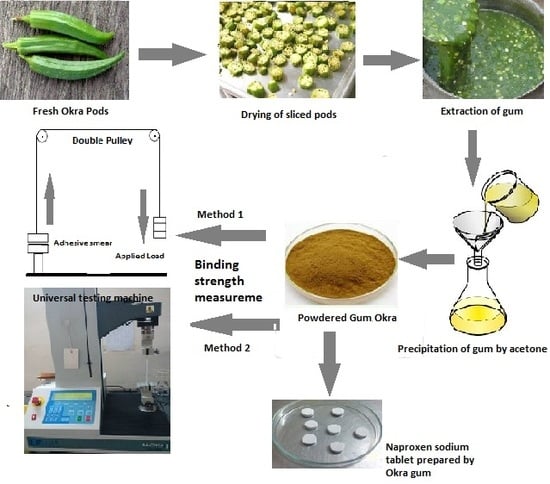
- Extracting the mucilage from fresh okra by boiling or soaking, optionally using vinegar to aid the extraction and reduce sliminess.
- Cooking glutinous rice to create a sticky paste which will serve as the primary thickening agent.
- Mixing the extracted okra mucilage with the rice paste in a controlled ratio to achieve a consistent viscous blend.
- Adding a measured amount of starch to further enhance the thickness and stability of the adhesive.
- Incorporating a small quantity of baking soda to balance the pH, which may subtly optimize the texture and durability.
- Optionally, a few drops of vinegar can be added at a later stage to improve mucilage breakdown and ensure even mixing.
Application and Usage
This homemade adhesive is most effective on materials such as paper, cardboard, and lightweight fabrics. Its non-toxic nature makes it suitable for use in classrooms and craft workshops. Users have found that it performs exceptionally in scenarios where the adhesive is required to be temporary yet strong enough to hold materials together for presentations or short-term projects. For applications that demand long-term water resistance, additional natural cross-linking agents or resealing methods might be necessary.
Summary of Ingredient Roles and Interactions
| Ingredient | Role in the Mixture | Main Effects on Adhesion |
|---|---|---|
| Okra Mucilage | Primary adhesive component | Provides high viscosity and natural stickiness |
| Glutinous Rice Flour | Starch-rich thickening agent | Creates a dense, sticky paste that enhances binding strength |
| Baking Soda | pH modifier | Balances acidity, potentially improving molecular binding and texture |
| Starch | Thickening and stabilizing agent | Improves the cohesiveness and durability of the adhesive |
| Additional Okra | Supplementary mucilage source | Enhances viscosity, further boosting adhesive strength |
| Vinegar | Acidic pH adjuster | Breaks down mucilage for better integration and offers mild antimicrobial properties |
Challenges and Practical Considerations
Consistency Issues
One of the crucial challenges in creating this natural adhesive involves achieving the right consistency. Variations in the quality of okra, differences in extraction methods, and slight alterations in ratios can all lead to changes in the final texture of the glue. It is important to experiment with proportions to maintain a balance where the glue remains viscous enough to adhere materials without being overly runny or excessively hard.
Moisture Sensitivity
Given that the adhesive is water-based, one of the inherent limitations is its sensitivity towards moisture. While starch and the rice paste contribute to the overall viscosity, they can also absorb moisture from the environment, potentially weakening the bond over time. Proper storage in airtight containers and application in controlled environments can mitigate this issue.
Shelf Life and Preservation
Although vinegar can act as a mild preservative by inhibiting microbial growth, natural adhesives typically do not have as long a shelf life as synthetic alternatives. It is recommended to prepare small batches as needed and store any excess in a cool, dry place to preserve its adhesive properties.
References
- Okra Glue Research | PDF | Adhesive - Scribd
- Okra (Abelmoschus esculentus) as Alternative Glue - Studocu
- Research Paper (Okraglue2) | PDF | Adhesive | Plants - Scribd
- Okra as an Alternative Ingredient for Glue - Prezi
- THE ENDLESS POSSIBILITIES OF GLUE - E-NNOVATE
Recommended Further Queries
Last updated March 25, 2025