
Comprehensive Guide on Handling Oleum 65 and Oleum 23
Essential safety procedures, properties, and handling techniques for lab-scale operations
Key Takeaways
- Distinct Concentrations: Oleum 23 and Oleum 65 differ primarily by their free SO₃ content—with 23% and 65% respectively—affecting reactivity and risk.
- Stringent Safety Measures: Laboratory handling demands specialized personal protective equipment (PPE) and engineering controls, emphasizing proper ventilation and spill management.
- Handling and Storage Protocols: Both variants require careful transfer, dilution (adding oleum to water, never vice versa), appropriate corrosive-resistant equipment, and strict adherence to waste disposal procedures.
Understanding Oleum: Composition and Nature
Oleum is a fuming form of sulfuric acid (H₂SO₄) with dissolved sulfur trioxide (SO₃). The percentages (23% and 65%) refer to the weight percentage of SO₃ present in the solution. Oleum 23, containing 23% free SO₃, is a less concentrated variant compared to Oleum 65, which contains 65% free SO₃. Despite the differences in concentration, both materials share several fundamental properties:
- Appearance: Typically clear to off-white, oleum is highly fuming, with visible acid mists, particularly in higher concentrations.
- Corrosiveness and Toxicity: Both grades are extremely corrosive, capable of causing severe burns on skin and eye contact. They are toxic if inhaled and can cause significant damage to organic tissue.
- Reactivity with Water: Oleum reacts violently with water; the exothermic nature of this reaction may produce hazardous conditions including splattering and the generation of sulfuric acid mist.
- Hygroscopic Nature: These substances readily absorb moisture from the atmosphere, which poses additional challenges during storage and handling.
- Industrial and Laboratory Use: Oleum is widely used as a sulfonating and dehydrating agent in chemical synthesis, production of dyes, explosives, and various industrial processes.
Laboratory Scale Handling of Oleum 23 and Oleum 65
Personal Protective Equipment (PPE) and Initial Safety Considerations
Working with any form of oleum is inherently dangerous. Both Oleum 23 and Oleum 65 require extensive use of personal protective equipment and strict adherence to laboratory safety protocols:
Essential PPE
- Gloves: Use chemical-resistant gloves (e.g., neoprene or specialized acid gloves) to protect hands from corrosive exposure.
- Eye and Face Protection: Wear safety goggles or a face shield along with a lab coat to shield facial skin and eyes from splashes.
- Respiratory Protection: In cases where salt fuming acid mists may be generated, use an appropriate respirator to reduce inhalation of hazardous fumes.
- Protective Clothing: Utilize acid-resistant lab coats or aprons. In high-risk exposures, consider wearing full-body suits designed for chemical spills.
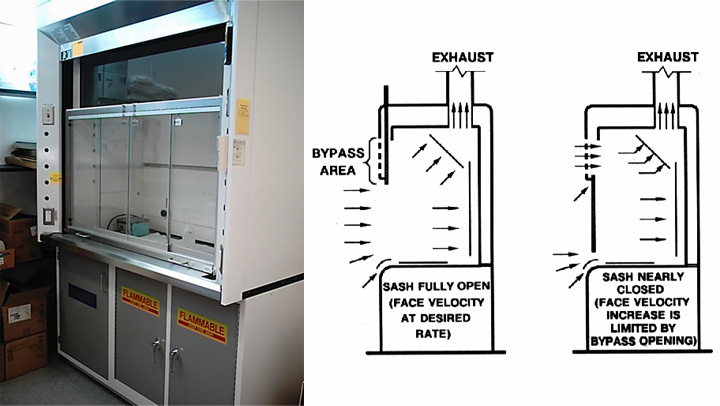
In addition to PPE, it is essential to ensure that the working area is well ventilated. Utilizing a dedicated fume hood minimizes the risk of inhaling acid mists that may be produced during handling.
Proper Ventilation and Engineering Controls
One of the most critical aspects of handling oleum is ensuring the work area is appropriately ventilated:
Fume Hoods and Ventilation Systems
- Certified Fume Hood: All handling procedures should take place under a properly certified fume hood to restrict the concentration of toxic fumes in the laboratory.
- Corrosion-resistant Surfaces: Ensure that work surfaces, utensils, and containers are made of materials resistant to both sulfuric acid and sulfur trioxide. Materials like borosilicate glass or Teflon-lined tools are preferable.
- Spill Kits: Keep spill kits specifically designed for strong acids within reach. Neutralizing agents (such as soda ash) and proper absorbents should be accessible in the event of accidental spills.
Handling Techniques and Procedures
The handling procedures for oleum 23 and oleum 65 emphasize extreme caution. The following practices are designed to reduce the risk of exposure and accidents:
Transfer and Sampling
- Gentle Transfer Protocol: When transferring oleum, use glass pipettes or other acid-resistant, non-reactive materials. The transfer should be done slowly to avoid splashing and excessive fume generation.
- Pre-conditioning Equipment: Rinse glassware with small amounts of oleum to remove residual water or contaminants before transfer.
Dilution Practices
Dilution of oleum is among the most hazardous steps in handling these chemicals. Due to the exothermic reaction that occurs when water and oleum combine, the procedure must be executed with utmost care:
- Always add oleum to water: Never add water to oleum, as the reverse process can provoke a violent reaction with splattering and rapid evolution of heat.
- Use ice-cooled water: To mitigate the extreme exothermic reaction, use a large volume of ice-cooled water and add oleum slowly while continuously stirring.
Spill Management and Emergency Procedures
A spill of oleum requires a rapid and well-coordinated response that has been pre-planned as part of your laboratory's safety protocols:
- Immediate Evacuation: In the event of a spill, evacuate the area immediately and notify designated emergency responders with expertise in handling corrosive chemicals.
- Neutralization: Only trained personnel should attempt to neutralize a spill using agents specified in the safety data sheets (SDS). The neutralization process must be carefully controlled to avoid further chemical reactions.
- Immediate First Aid: If oleum comes into contact with skin or eyes, flush with copious amounts of water for a minimum of 15 minutes. Seek immediate medical attention following any exposure.
Differences in Handling Oleum 23 vs. Oleum 65
While both oleum 23 and oleum 65 are fuming sulfuric acids, the differences in their concentration of free SO₃ influence their handling protocols:
Reactivity and Fuming Intensity
- Oleum 23: With 23% free SO₃, this variant is less reactive compared to its higher concentration counterpart, though it remains dangerously corrosive and must be handled with care.
- Oleum 65: Containing 65% free SO₃, this form is significantly more fuming and reactive. The higher concentration increases the risk of violent exothermic reactions, making it critical to use enhanced safety measures and work with smaller quantities when possible.
Material Compatibility
Given that both oleum grades can attack many common materials, ensure that all laboratory equipment, containers, and utensils are constructed from compatible, corrosion-resistant materials:
- Glassware and Teflon: These are generally preferred due to their resistance to corrosion by fuming acids.
- Avoid Metals: Many metals and some plastics can be degraded by these compounds; select materials explicitly tested and approved for use with concentrated sulfuric acid systems.
Storage and Waste Disposal Practices
Proper storage and disposal of oleum are as critical as safe handling during laboratory work:
Storage Requirements
- Sealed and Resistant Containers: Oleum must be stored in tightly sealed glass or compatible corrosion-resistant containers. This prevents moisture ingress, which can lead to uncontrolled reactions.
- Cool, Dry Environment: Store the chemicals in a dedicated, cool, and dry area away from any sources of water or heat. Label containers clearly with concentration and hazard warnings.
Waste Disposal
Disposal of oleum waste must comply with local, regional, and national guidelines:
- Regulatory Compliance: Always follow the material safety data sheet (MSDS) and local regulatory guidelines when disposing of oleum waste. Never dispose of oleum down the drain.
- Neutralization Before Disposal: In many cases, the oleum must be neutralized using suitable chemicals before it can be disposed of safely. This process should be carried out by trained personnel under strictly controlled conditions.
Additional Laboratory Safety Considerations
Apart from the aforementioned handling techniques and precautions, there are several additional safety measures to ensure overall laboratory safety:
Training and Standard Operating Procedures (SOPs)
Before conducting any experiments involving oleum, all personnel should undergo specialized training focused on the handling of corrosive and fuming acids. A detailed standard operating procedure (SOP) should be developed for experiments utilizing oleum.
- Personnel Training: Training should include emergency response techniques, proper use of PPE, spill containment, and first aid procedures specific to acid burns.
- Documented Procedures: Prepare and maintain detailed handling protocols, including procedures for dilution, transfer, storage, and waste disposal.
Chemical Compatibility and Reaction Planning
When planning laboratory experiments that involve oleum, it is critical to assess the reactivity of oleum with other reagents. Due to the highly exothermic reactions that may occur, particularly on contact with water or organic compounds, ensure that all reaction parameters are tightly controlled.
Reaction Quenching and Control
- Slow Addition: Add oleum slowly to the reaction mixture, ensuring that the reaction is diluted sufficiently in ice-cooled water where necessary.
- Temperature Monitoring: Continuously monitor the temperature during any dilution or reaction process. Use temperature probes and thermostatically controlled systems to prevent runaway reactions.
Emergency Response and First Aid
Immediate and effective response to accidental exposure is crucial:
First Aid Procedures
- Skin Exposure: Immediately flush affected areas with large quantities of water for at least 15 minutes. Remove contaminated clothing and seek medical help immediately.
- Eye Exposure: Rinse eyes under a gentle stream of water for at least 15 minutes and obtain immediate medical evaluation.
- Inhalation Exposure: Move the affected individual to fresh air immediately. If breathing difficulties persist, administer oxygen and call for emergency medical assistance.
Documentation and Risk Assessment
Keep a detailed record of oleum usage which includes quantities handled, storage conditions, disposal measures, and any incidents. Regular risk assessments help in identifying potential hazards and mitigating future risks.
- Incident Reporting: Document any accidental exposure or spill incidents immediately, and analyze them to improve future procedures.
- Regular Safety Audits: Conduct routine safety audits and review the SOPs to ensure all handling protocols remain compliant with current regulations.
Comparative Table for Quick Reference
The table below summarizes key physical properties and handling particulars of Oleum 23 and Oleum 65:
| Characteristic | Oleum 23 | Oleum 65 |
|---|---|---|
| Free SO₃ Content | Approximately 23% | Approximately 65% |
| Reactivity | Highly reactive; less fuming than Oleum 65 | Extremely reactive; significantly more fuming with violent exothermic tendencies |
| Corrosiveness | Severe corrosiveness, requires extensive PPE and resistance controls | Even higher corrosiveness; demands enhanced safety measures and smaller working volumes |
| Handling Precautions | Standard lab-scale acid handling protocols | Enhanced protocols with stricter dilution and treatment measures |
| Storage | Tightly sealed, non-reactive container in a cool, dry area | Tightly sealed, non-reactive container; additional precautions to avoid moisture ingress |
Conclusion
In conclusion, safe laboratory handling of Oleum 23 and Oleum 65 demands a comprehensive understanding of their chemical properties, rigorous safety protocols, and meticulously designed standard operating procedures. While both materials are fuming sulfuric acids, the increased SO₃ concentration in Oleum 65 requires heightened precautions regarding transfer, dilution, and emergency response. By adhering to established guidelines, utilizing proper PPE, and ensuring optimal engineering controls such as certified fume hoods and corrosion-resistant equipment, researchers can manage these hazardous substances effectively and safely. Consistent training, regular safety audits, and proper documentation further help minimize risks and maintain a safe working environment.
References
- Oleum 23 Product Details - Guljag
- Oleum 23 & 65 Overview - Sun Links India
- MSDS for Oleum 23 & 65 - Spectrum Chemical
- Oleum - Wikipedia
More
Last updated February 18, 2025