
Olympia: A Tale of Two Legacies
Exploring the Cultural and Historical Depths of Olympia
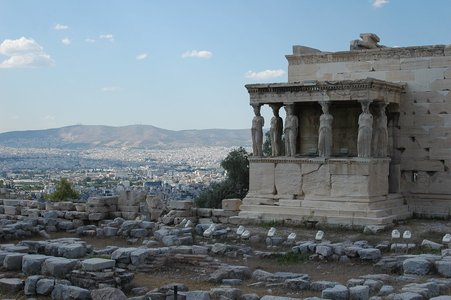
Highlights
- Dual Heritage: Olympia represents both an ancient Greek sanctuary and a vibrant American capital.
- Historical Significance: From the birthplace of the ancient Olympic Games to the state capital of Washington.
- Cultural & Natural Beauty: Each Olympia offers unique cultural events, historical sites, and stunning natural surroundings.
Understanding Olympia
Olympia, Greece
Olympia in Greece is celebrated as one of the most historically significant archaeological sites in the world. Located in the region of Elis on the Peloponnese peninsula, it was the renowned center for the ancient Olympic Games. These games began in 776 BC as a local festival to honor Zeus and evolved into a Panhellenic event that attracted athletes and spectators from across ancient Greece.
Cultural and Historical Background
The ancient site of Olympia was much more than a sporting venue. It was a major religious sanctuary that housed important temples, including the famous Temple of Zeus which was home to one of the Seven Wonders of the Ancient World. The site underwent multiple phases of development, with significant constructions dating back to the 10th century B.C. Over time, Olympia became a symbol of cultural unity and religious significance in ancient Greece. Today, as a UNESCO World Heritage site, the ruins and monuments continue to attract scholars, tourists, and history enthusiasts from around the globe.
Key Attractions and Insights
- Archaeological Ruins: Visitors can explore remnants of ancient temples, gymnasiums, and statues.
- Religious Sanctuary: The site remains a testament to ancient Greek religious practices and athletic competitions.
- UNESCO World Heritage Site: Recognized for its transformative influence on sports, culture, and architecture.
Olympia, Washington
Olympia, Washington, stands as the capital city of the state and is characterized by its blend of historical significance and a thriving modern culture. With a population of approximately 55,605 as of the 2020 census, this city is the county seat of Thurston County and serves as a hub for political, cultural, and artistic activities in the region.
Historical Origins and Development
Established as a town in 1859 and later incorporated as a city in 1882, Olympia grew rapidly due to immigration and its strategic importance in the region. It became the provisional capital of the Washington Territory in 1853 and retained its status as the state capital after Washington attained statehood in 1889. Olympia's history is intertwined with the local indigenous populations, notably the Squaxin and other Coast Salish peoples, as well as settlers who arrived via the Oregon Trail.
Cultural and Natural Landscape
Today, Olympia is known for its vibrant arts scene, eclectic community, and effortless access to nature. Visitors and locals alike enjoy exploring the Washington State Capitol's impressive architecture – notably, its towering masonry dome – and engaging with community initiatives that highlight local arts, music performances, and farmers' markets. The nearby parks and natural reserves also provide ample opportunities for outdoor activities such as hiking and wildlife watching, reflecting the intimate connection between urban culture and natural beauty.
Comparative Overview
Key Differences Between Olympia, Greece and Olympia, Washington
| Aspect | Olympia, Greece | Olympia, Washington |
|---|---|---|
| Historical Significance | Center of ancient Olympic Games; religious sanctuary dedicated to Zeus; home to structures like the Temple of Zeus. | Founded in the mid-19th century; capital of Washington; rich in pioneer and indigenous history. |
| Primary Attractions | Archaeological ruins, ancient temples, UNESCO World Heritage site. | Washington State Capitol, local museums, arts festivals, farmers markets. |
| Cultural Impact | Influenced the development of sports and cultural practices in ancient Greece. | Serves as a modern political and cultural hub with an emphasis on progressive arts and community events. |
| Geographical Setting | Located in the Peloponnese region, characterized by its ancient ruins and pastoral landscape. | Nestled at the southern end of Puget Sound with an environment that integrates urban life and natural parks. |
In-Depth Analysis
Cultural Layers and Continuity
Both Olympias – whether the ancient Greek sanctuary or the modern American city – represent rich cultural layers that have evolved over centuries. Olympia, Greece, serves as a bridge to the classical world, linking modern society with foundations laid down through religious and athletic legacies. The ancient Olympic Games, characterized by their athletic competitions and religious rituals, have provided enduring cultural symbols that continue to influence global sports and art. Artifacts and ruins at Olympia offer tangible insights into ancient construction techniques, religious practices, and societal organization.
Olympia, Washington, on the other hand, offers a contemporary narrative characterized by democratic governance, community-driven arts, and social activism. The city embodies a spirit of progress and environmental consciousness, often reflected in local festivals, arts performances, and initiatives aimed at sustainable living. Its evolution from a small frontier town into a bustling capital mirrors broader American historical trends, making it significant not only as a political center but also as a cultural melting pot.
Impact on Modern Perceptions
The dual identities of Olympia illustrate how historical narratives are preserved and reinterpreted over time. In Greece, the enduring legacy of the ancient Olympic Games continues to inspire initiatives in international sports and cultural exchanges. The mythos surrounding ancient Olympia reinforces global appreciation for classical art, philosophy, and the roots of Western civilization.
Meanwhile, Olympia, Washington, underscores how history can serve as a foundation for modern civic identity. The city proudly celebrates its roots by preserving historic architecture and promoting community events that highlight both artistic expression and civic engagement. Its role as the state capital further embeds it in the fabric of American political life, making it a symbol of governance, public service, and progressive cultural movements.
Tourism and Education Opportunities
Both sites are rich with tourism and educational opportunities, each appealing to diverse interests:
- Educational Insights: Archaeologists and historians can explore Olympia, Greece to study ancient construction techniques, religious practices, and cultural festivals that shaped the classical world.
- Political and Cultural Immersion: Olympia, Washington, provides visitors with guided tours of the state capitol, access to local history museums, and opportunities to engage with the local arts scene.
- Outdoor Activities: Both locations offer unique landscapes – the pastoral and archaeological settings in Greece contrast with the urban-natural mix in Washington, yet both provide enriching experiences for outdoor enthusiasts.
References
- Olympia, Washington - Wikipedia
- Olympia, Greece - Wikipedia
- Olympia: Ancient Site - Britannica
- History of Olympia, Washington - Olympia Historical Society
- Olympia Archaeological Site - UNESCO
Recommended Queries
Last updated March 27, 2025