
Comprehensive Analysis of Oncology and COVID-19 Studies
In-depth Insights into Recent Oncology Improvements and COVID-19 Impacts
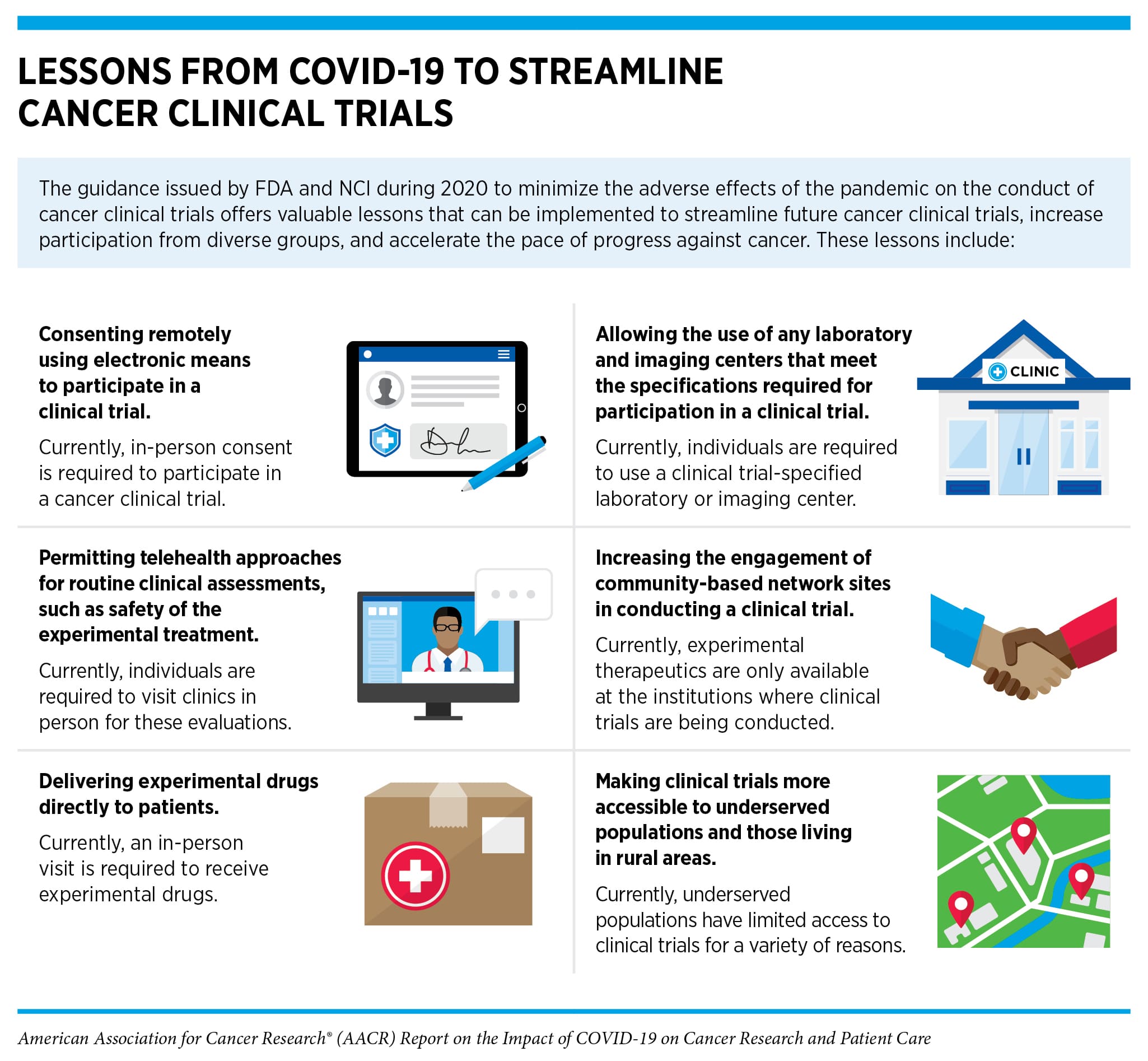
Key Takeaways
- Significant Improvement in Oncology Quality Scores: Implementation of standardized data collection and regular feedback cycles led to surpassing established quality thresholds.
- Adverse COVID-19 Outcomes Linked to Recent Cancer Treatments: Patients undergoing recent chemotherapy or chemoimmunotherapy faced higher risks of severe COVID-19 complications.
- Long-Term Effects of COVID-19 Persist: A substantial percentage of long-COVID symptoms continue into the second year, affecting patient quality of life.
Oncology Department Study: Enhancing Quality of Care
Study Objective and Background
The Oncology Department conducted a comprehensive study aimed at improving the quality of care provided to cancer patients. The primary goal was to enhance the Overall Quality Scores (OQS) to meet and exceed the American Society of Clinical Oncology's (ASCO) quality threshold of 75% for Quality Oncology Practice Initiative (QOPI) certification.
Methodology
Initial Assessment
Baseline measurements revealed that the OQS were significantly below the ASCO threshold, with QCP Track measures at 46% and combined measures at 58%. This indicated a pressing need for quality improvement initiatives within the department.
Intervention Strategy
The department implemented a multifaceted intervention strategy focusing on standardizing patient data collection. The key components of this strategy included:
- Educational sessions for oncologists to emphasize the importance of standardized data collection.
- Regular feedback sessions to monitor progress and address challenges promptly.
- Implementation of seven Plan-Do-Study-Act (PDSA) cycles from November 2021 to December 2022 to iteratively refine processes.
Results
Post-intervention, the OQS exhibited a remarkable improvement, consistently surpassing the ASCO quality threshold. The OQS ranged between 78–87% for QCP Track measures and 78–86% for combined measures, indicating sustained quality enhancements over time.
Implications
The successful improvement in OQS underscores the effectiveness of standardized data collection and continuous feedback mechanisms in elevating the quality of oncology care. Achieving and maintaining scores above the ASCO threshold not only enhances patient outcomes but also reinforces the department's commitment to excellence in clinical practice.
COVID-19 Study: Impact on Cancer Patients
Study Objective and Background
This study aimed to evaluate the outcomes of COVID-19 infections among cancer patients, particularly focusing on those who had undergone recent cancer treatments. Understanding the interplay between cancer treatments and COVID-19 outcomes is crucial for developing effective management strategies for this vulnerable population.
Methodology
Patient Groups
The study categorized patients into three distinct groups:
- Patients without cancer.
- Patients with cancer but no recent cancer treatment.
- Patients with cancer who received recent treatment (within three months before COVID-19 diagnosis).
Outcomes Measured
The primary outcomes assessed included the incidence of death, ICU admissions, and hospitalization rates among the different patient groups. Additionally, the study examined specific risk factors associated with adverse COVID-19 outcomes in cancer patients.
Results
| Patient Group | Risk of Death | ICU Admission | Hospitalization Rate |
|---|---|---|---|
| Without Cancer | Baseline Risk | Baseline Risk | Baseline Risk |
| With Cancer (No Recent Treatment) | Similar or Lower than Baseline | Similar or Lower than Baseline | Similar or Lower than Baseline |
| With Cancer (Recent Treatment) | Higher Risk | Higher Risk | Higher Risk |
Patients who had undergone recent cancer treatments, such as chemotherapy and chemoimmunotherapy, demonstrated a statistically significant increase in adverse outcomes compared to those who had not received recent treatments or those without cancer. Specifically, these patients faced higher risks of mortality, increased likelihood of ICU admissions, and elevated hospitalization rates.
Risk Factors Identified
The study identified several risk factors that exacerbated COVID-19 outcomes in cancer patients:
- Recent Chemotherapy and Chemoimmunotherapy: These treatments were strongly associated with worse COVID-19 outcomes.
- Metastatic Solid Tumors: Patients with metastatic cancer had an elevated risk of severe COVID-19 complications.
- Hematologic Malignant Neoplasms: Patients with blood cancers were particularly susceptible to adverse outcomes.
Implications
The findings highlight the critical need for enhanced protective measures and tailored treatment protocols for cancer patients undergoing recent therapies during the pandemic. Clinicians must weigh the risks of continued cancer treatment against the potential for severe COVID-19 complications, possibly adjusting treatment regimens or implementing additional support measures to mitigate risks.
Additional Insights from Related Studies
Long-COVID Persistence
Recent studies indicate that long-COVID symptoms persist into the second year for a significant proportion of patients. Specifically, 68% of German long-COVID patients continued to experience the same symptoms a second year after the initial infection. This persistence underscores the chronic nature of long-COVID and the ongoing challenges it poses to affected individuals.
Biological Impacts of COVID-19
Additional research has elucidated various biological impacts of COVID-19, including:
- Leukocyte Levels: Higher levels of white blood cells are linked to more severe long-COVID symptoms, particularly in older female patients.
- Reinfection Risks: Protection against COVID-19 reinfections has dramatically declined from 80% to 5% with the emergence of the Omicron variant.
- Neurological Changes: There's an association between COVID-19 infection and increased risk of brain changes related to Alzheimer's disease, characterized by elevated blood markers of amyloid proteins.
- Chronic Fatigue Syndrome: COVID-19 infection is associated with an nearly eightfold increase in the incidence of chronic fatigue syndrome.
- Cardiovascular Risks: Even mild COVID-19 infections can lead to clogged arteries, increasing the risk of heart attacks.
Advancements in Oncology Treatments
Parallel to quality improvements in oncology care, significant advancements in cancer treatments have been reported:
-
CAR T-cell Therapy for Lymphoma: A Phase 1 trial reported an 82% overall response rate and a 71% complete response rate in large B-cell lymphoma patients.
-
NK Cell Therapy for B-cell Lymphomas: Trials have shown promising results in treating relapsed or refractory B-cell lymphomas.
-
Tucatinib and Trastuzumab Combination: This combination therapy resulted in tumor reduction in 42% of women with HER2-mutant metastatic breast cancer.
-
HIF-2α Inhibitor in Renal Cell Carcinoma: Phase 1 trials demonstrated promising activity in clear cell renal cell carcinoma.
-
Predictive Blood Tests: KIM-1 blood tests may predict responses to nivolumab and ipilimumab in advanced renal cell carcinoma patients.
Conclusion
The comprehensive analyses of recent studies in oncology and COVID-19 provide critical insights into improving patient care and understanding the multifaceted impacts of the pandemic on vulnerable populations. The Oncology Department's successful enhancement of quality care through standardized data collection and iterative feedback mechanisms sets a benchmark for clinical excellence. Concurrently, the COVID-19 study underscores the heightened risks faced by cancer patients undergoing recent treatments, necessitating strategic adjustments in treatment protocols and protective measures. Additionally, the persistent nature of long-COVID symptoms and the broader biological impacts of the virus highlight the enduring challenges posed by the pandemic. Advances in oncology treatments further demonstrate the dynamic progress in cancer care, offering hope for improved patient outcomes. Together, these findings inform clinical practices and policy-making to better support patients navigating the complexities of cancer treatment amidst the ongoing COVID-19 landscape.
References
Last updated February 15, 2025