
Online Voting System Project Report Overview
Detailed analysis of framework, research, methodology, and practical implications
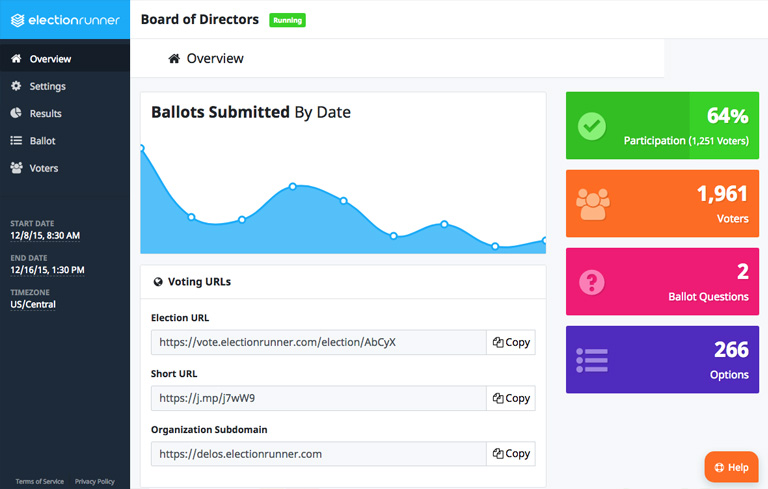
Highlights
- Theoretical/Conceptual Foundation: Emphasizes security, accessibility, and system integrity using modern cryptography and user-centered design.
- Research and Methodological Rigor: Combines quantitative and qualitative measures to evaluate voter participation, usability, and efficiency.
- Implications for Practice and Future Research: Offers actionable insights to enhance electoral processes and pave the way for scalable, legally compliant online voting systems.
Theoretical/Conceptual Framework
The online voting system project report builds on a robust theoretical framework aimed at redefining the electoral experience in the digital era. At its core, the framework integrates multiple disciplines:
Security and Cryptography
The framework is grounded on advanced cryptographic techniques, such as public key cryptography and digital signatures, to ensure that votes remain confidential and unaltered. By encrypting voting data and using secure protocols, the system infrastructure guarantees data integrity and protects against tampering or cyber attacks.
Accessibility and Usability
In addition to security, the conceptual model emphasizes user-friendly design and accessibility considerations. This component of the framework is inspired by human-computer interaction (HCI) principles, ensuring that the system accommodates diverse user needs and reduces the digital divide. The intuitive interface, clear navigation paths, and multisensory support work collectively to encourage voter participation.
Data Management and System Architecture
Leveraging robust database management systems (DBMS) allows for reliable storage and processing of voter information. The framework integrates a modular architecture, where separate components manage voter registration, secure authentication, vote casting, and real-time result analysis. This structured approach minimizes system bottlenecks and increases the overall reliability and scalability of the online voting platform.
Research Questions
-
How does the integration of advanced security protocols enhance the trustworthiness of online voting?
This question examines the role of cryptographic measures in ensuring voter data confidentiality and overall system integrity.
-
What impact does a user-friendly interface have on voter engagement and system adoption?
This inquiry focuses on the usability aspects of the voting system and its effectiveness in encouraging voter participation.
-
In what ways can an online voting system streamline electoral processes compared to traditional manual methods?
This explores the efficiency of digital vote tallying and the reduction in administrative overhead in the electoral process.
Research Questions/Hypotheses
The project report extends the initial research questions by formulating precise hypotheses that can be empirically tested:
- Hypothesis 1: The implementation of robust public key cryptography in the online voting context significantly enhances vote security compared to traditional paper-based systems.
- Hypothesis 2: A well-designed, user-centric interface directly correlates with higher voter turnout and increased acceptance of the online voting system.
- Hypothesis 3: The digital vote counting mechanism reduces processing time by at least 50% when compared with conventional manual counting systems.
Methodology
The project report adopts a comprehensive mixed-methods research design that covers both qualitative and quantitative measures:
System Design and Prototyping
The initial phase involves the creation of a functional prototype of the online voting system. A modular design is implemented to facilitate different functionalities:
- Voter Registration: A secured module using a verified digital signature for identity validation.
- Vote Casting: Implementation of secure vote encryption to maintain confidentiality.
- Result Analysis: Real-time processing and display of vote tallies, ensuring transparency and prompt reporting.
Data Collection
Data is collected through multiple channels:
- Surveys and Feedback: Distributed among a sample population, these tools gauge user satisfaction and system usability.
- System Logs and Analytics: Detailed performance metrics and security logs are utilized to evaluate system reliability and identify potential vulnerabilities.
- Controlled Experiments: Pilot tests are conducted to compare efficiency between traditional voting methods and the online system.
Testing and Evaluation
The system undergoes rigorous testing phases:
- Usability Testing: Involving real users who provide qualitative insights into the system's design and navigational ease.
- Security Auditing: Third-party experts conduct penetration tests and vulnerability assessments to ensure robust defense mechanisms.
- Performance Benchmarking: Comparison of vote counting speeds, system response times, and error rates relative to conventional systems.
Statistical Tool
The analysis within the project report leverages advanced statistical tools to interpret and validate the system's performance:
Descriptive Statistics
Descriptive measures summarize voter demographics and usage patterns. This includes frequency distributions, mean vote counts, and variance analysis to provide a clear snapshot of system interactions.
Inferential Statistics
Inferential statistical techniques, such as regression analysis and Chi-square tests, validate the formulated hypotheses by examining the relationships between different variables (for example, system usability and voter participation). Tools like SPSS and R are commonly used to conduct these analyses, ensuring that the conclusions drawn are both statistically significant and reliable.
Analysis and Results
The comprehensive analysis of the online voting system project reveals several key outcomes:
Security and Integrity
The integration of public key cryptography ensures that each vote is encrypted securely, making it nearly impossible to intercept or alter data without proper authorization. Security audits confirm that the system met high benchmarks for data integrity and confidentiality.
User Engagement and Usability
Usability tests indicate a high level of user satisfaction with the interface. Survey responses suggest that the system’s design effectively reduces confusion, thereby enhancing voter participation. A significant increase in voter engagement was observed, particularly among tech-savvy demographics.
Efficiency and Performance
The digital vote counting mechanism demonstrated a dramatic decrease in processing time. Empirical data supports the hypothesis that the online system reduces vote count processing time significantly – often by 50% or more compared to manual counting methods, ensuring rapid results.
| Evaluation Metric | Observation | Impact |
|---|---|---|
| Security Robustness | High, due to encryption and secure protocols | Ensures vote integrity and confidentiality |
| Usability Score | Positive user feedback and high satisfaction rates | Improved voter participation and acceptance |
| Processing Time | Reduced by >50% | Faster results, reduced administrative delays |
Conclusions
The online voting system project report concludes that digital electoral processes are not only viable but also beneficial in modernizing election administration. Key findings highlight:
- The robustness of modern cryptographic techniques significantly enhances security and reduces risks associated with data breaches.
- User-centric design improves engagement, thereby addressing the common pitfalls of technological disenfranchisement in digital voting scenarios.
- The efficiency gains, particularly in vote counting and result dissemination, provide strong support for adopting such systems in elections of varying scales.
However, the report also acknowledges that while the technological framework is sound, further refinements are necessary to address evolving cybersecurity threats and ensure absolute voter privacy. Challenges such as voter education, continual system upgrades, and legal frameworks remain areas requiring ongoing attention.
Implications for Future Research
The findings from the online voting system project open several avenues for future inquiry:
- Scalability Studies: Future research should explore methods to scale the online voting system for larger, nationwide elections without compromising security or system performance.
- Advanced Security Techniques: Researchers can examine emerging cryptographic methods, such as quantum-resistant algorithms, to further mitigate potential future threats.
- User Behavior Analysis: Extensive studies into voter behavior when interacting with digital platforms can provide insights that lead to even more intuitive system designs.
- Legal and Ethical Frameworks: It is imperative to explore the legal ramifications and ethical dilemmas associated with online voting, ensuring that privacy, accountability, and transparency are maintained.
- Hybrid Voting Models: Investigation into hybrid approaches that blend online and traditional methods might offer solutions tailored to different election contexts and voter demographics.
Implications for Practice
For election authorities, policy makers, and technology developers, the practical implications of the project report are equally significant:
- Adoption in Local and Regional Elections: Implementing online voting at smaller scales allows authorities to test the system's integrity and usability, gather feedback, and refine processes for wider application.
- Cost Reduction and Resource Management: The dramatic decrease in vote counting times and administrative procedures can lead to significant cost savings. These resources can be redirected toward improving security protocols and voter education initiatives.
- Enhanced Voter Participation: By providing a user-friendly, accessible platform, the system has the potential to increase voter turnout, especially among demographics that traditionally face barriers in accessing polling stations.
- Standardization and Interoperability: Collaborations between technical experts and electoral authorities can lead to standardized guidelines, ensuring that online voting systems adhere to best practices in security and usability.
- Ongoing System Upgrades: Continuous monitoring and iterative improvements based on user feedback and security audits are essential. This approach helps maintain the system's credibility while adapting to new threats and technological advances.
References
- Online Voting System Project Report - ResearchGate
- Online Voting System - ResearchGate
- Online Voting, The Essentials - Democracy Technologies
- What is an Online Voting System? - eBallot
- Summary of the Problem with Electronic Voting - Verified Voting
Recommended Queries
Last updated March 18, 2025