
Unlock Florida's Real Estate Market: Your Comprehensive Guide to Starting a Title Company
Navigate the essentials of launching a successful title insurance agency in the Sunshine State, from licensing to operations.
Opening a title company in Florida presents a significant opportunity within the state's dynamic real estate sector. Title companies are integral to property transactions, ensuring the legal transfer of ownership by verifying titles, issuing insurance policies, and facilitating closings. This guide provides a detailed roadmap, integrating regulatory requirements, financial considerations, and operational best practices to help you establish a compliant and successful title agency in Florida.
Key Highlights for Aspiring Florida Title Agency Owners
- Strict Licensing & Education is Mandatory: Florida requires completion of a 40-hour pre-licensing course, passing a state exam, undergoing a background check, and designating a qualified Agent-in-Charge (either a licensed title agent or a Florida Bar attorney).
- Significant Financial Safeguards Required: You must secure substantial bonding (minimum $50,000 Fidelity Bond, $35,000 Surety Bond) and Errors & Omissions insurance (minimum $250,000 per claim) before being appointed by an underwriter.
- Underwriter Partnerships are Non-Negotiable: Your agency cannot issue title insurance policies without first securing appointments from one or more title insurance underwriters licensed to operate in Florida.
Phase 1: Laying the Groundwork - Research and Planning
Thorough preparation is the cornerstone of a successful venture. Before initiating the formal process, invest time in understanding the market and regulatory environment.
Develop a Comprehensive Business Plan
Charting Your Course
A robust business plan is essential. It should detail your company's mission, the specific services you'll offer (title searches, examinations, closings, insurance issuance), your target market (geographic area, types of clients), marketing strategies, operational procedures, and detailed financial projections. Critically, your plan must budget for both startup and ongoing costs. Initial estimates place average startup costs around $19,000 in Florida, covering:
- Licensing fees
- Bond premiums (Fidelity, Surety)
- Errors & Omissions insurance premiums
- Office space and equipment
- Technology (software, IT infrastructure)
- Website development and marketing materials
- Salaries (if applicable)
Understand Florida's Regulatory Landscape
Navigating State Rules
Title insurance agencies in Florida are regulated by the Florida Department of Financial Services (DFS). Familiarize yourself with the relevant Florida Statutes and Administrative Code sections, particularly those governing title insurance agents and agencies (e.g., Chapter 626, Part XV; Florida Administrative Code Rules 69B-186 and 69O-186). Key eligibility requirements for individuals seeking a title agent license include being at least 18 years old, a resident of Florida, and proficient in English. Understanding these rules from the outset prevents costly compliance errors.
Phase 2: Formalizing Your Business - Legal Structure and Registration
Establishing the correct legal framework protects you and ensures compliance with state requirements.
Choose Your Business Entity
Selecting the Right Structure
Decide on the legal structure for your title company. Common options include Limited Liability Company (LLC), S-Corporation, or Partnership. Each has different implications for liability, taxation, and administration. It is highly recommended to consult with legal and accounting professionals to determine the structure best suited to your financial situation and risk tolerance.
Register Your Business Name and Entity
Making it Official
Your chosen business name must comply with Florida regulations – it cannot be misleading or imply affiliation with government agencies or insurance underwriters unless true. Check for name availability and register your business entity through the Florida Division of Corporations website (Sunbiz.org). This process involves filing the necessary formation documents for your chosen structure (e.g., Articles of Incorporation or Articles of Organization).
Obtain Necessary Identifiers
Getting Your Numbers
After registering your entity, you must obtain a Federal Employer Identification Number (EIN) from the Internal Revenue Service (IRS). This is required for tax purposes and opening business bank accounts. Depending on your operations, you may also need to register for a Florida Taxpayer ID.
Phase 3: Meeting State Mandates - Licensing and Qualifications
Florida mandates specific educational and licensing steps to ensure competence and consumer protection in the title industry.
Complete Pre-Licensing Education
Building Foundational Knowledge
Prospective title insurance agents must complete a minimum of 40 hours of state-approved pre-licensing classroom education. This course covers title insurance principles, Florida real estate laws, ethics, and procedures. The course must be completed within the four years immediately preceding your license application date.
Pass the State Title Insurance Examination
Demonstrating Competency
After completing the required education, you must pass the Florida Title Insurance Agent examination administered by the state. This exam tests your understanding of the material covered in the pre-licensing course. Passing this exam is a prerequisite for obtaining your individual title agent license.
Obtain Your Title Insurance Agency License
Securing Agency Authorization
Apply for the Title Insurance Agency license through the Florida Department of Financial Services online portal (MyFloridaCFO). The application requires proof of meeting eligibility requirements, passing the exam (for individual agents involved), and undergoing a criminal background check via fingerprint submission.
Designate an Agent-in-Charge (AIC)
Ensuring Qualified Oversight
Every licensed title insurance agency in Florida must designate an Agent-in-Charge (AIC). This individual is responsible for the supervision of all agency operations. The AIC must be either:
- A Florida-licensed and appointed title insurance agent, OR
- An attorney in good standing with The Florida Bar.
The AIC must be physically present at the agency location and oversee its activities.
Understanding the Licensing Process
The following video provides helpful insights into becoming a title agent in Florida, which is a crucial step for the Agent-in-Charge and potentially other staff members.
Phase 4: Protecting Stakeholders - Bonds and Insurance
Florida requires specific financial assurances to protect consumers and underwriters from potential errors or misconduct.
Secure Mandatory Bonds
Fidelity and Surety Requirements
Before a title insurance underwriter can appoint your agency, you must obtain the following bonds:
- Fidelity Bond: A minimum coverage amount of $50,000. This bond protects the underwriter against losses caused by employee dishonesty or fraud within your agency. It must be payable to the appointing title insurer(s).
- Surety Bond: A minimum coverage amount of $35,000. This bond guarantees that your agency will comply with state laws and regulations and fulfill its financial obligations. It must also be payable to the appointing title insurer(s).
Obtain Errors & Omissions (E&O) Insurance
Coverage for Professional Liability
You must also secure E&O insurance, often called professional liability insurance. This covers losses arising from negligence, errors, or omissions in the professional services provided by your agency. Florida mandates minimum coverage of:
- $250,000 per claim
- An aggregate limit (typically also $250,000 or higher)
- A deductible no greater than $10,000
Summary of Financial Requirements
This table summarizes the minimum financial safeguards required before underwriter appointment:
| Requirement | Minimum Amount/Limit | Purpose | Payable To |
|---|---|---|---|
| Fidelity Bond | $50,000 | Protects against employee dishonesty/fraud | Appointing Title Insurer(s) |
| Surety Bond | $35,000 | Guarantees compliance and financial obligations | Appointing Title Insurer(s) |
| Errors & Omissions (E&O) Insurance | $250,000 per claim / aggregate | Covers professional negligence, errors, omissions | (Policy specific) |
| E&O Deductible | Max $10,000 | Maximum out-of-pocket per claim | (Policy specific) |
Note: Underwriters may require higher bond or insurance limits as part of their appointment criteria.
Phase 5: Enabling Operations - Underwriting Partnerships
A title agency cannot function without the ability to issue title insurance policies. This requires formal agreements with underwriters.
Select and Partner with Licensed Underwriters
Choosing Your Insurance Backers
Identify and establish relationships with title insurance underwriting companies licensed to operate in Florida. Major national underwriters active in Florida include Fidelity National Financial, First American Title Insurance Company, Old Republic National Title Insurance Company, and Stewart Title Guaranty Company. You must meet their specific appointment requirements, which always include verification of your agency license, bonds, and E&O insurance.

Establishing partnerships with underwriters is essential for issuing title insurance policies.
Securing Agency Appointments
Once you meet an underwriter's criteria, you will enter into an agency agreement. This contract outlines the terms of your relationship, including underwriting guidelines, commission structures, reporting requirements, and the formal authority granted to your agency to issue their policies (the "appointment"). You must secure at least one underwriter appointment to operate.
Phase 6: Building Your Agency - Operational Setup
With the legal and financial framework in place, focus on establishing the physical and technological infrastructure for your agency.
Establish Your Office and Infrastructure
Physical and Technological Foundations
Secure a suitable office location. Whether it's a commercial space or a compliant home office, ensure it meets any state requirements for accessibility and security. Invest in essential technology, including:
- Reliable computers and network infrastructure.
- Secure IT systems to protect sensitive client data (cybersecurity is critical).
- Specialized title and escrow software for managing searches, document preparation, closings, and accounting (e.g., Qualia, SoftPro, RamQuest).

Setting up a professional and technologically equipped office space is key for operations.
Hire Qualified Staff
Building Your Team
Depending on your projected volume and structure, you may need to hire staff. Key roles can include licensed title agents (closers), title examiners/abstractors, escrow officers, processors, and administrative support. Ensure staff members are knowledgeable about Florida real estate practices and receive appropriate training on compliance and software systems.
Phase 7: Ensuring Longevity - Compliance and Best Practices
Ongoing adherence to regulations and industry best practices is crucial for sustained success and avoiding penalties.
Adhere to Escrow Account Rules
Managing Client Funds Properly
Strict compliance with Florida's rules for handling escrow funds is paramount (see Florida Administrative Code Rule 69O-186.009). This involves maintaining segregated escrow accounts, performing regular reconciliations (at least monthly), and ensuring proper disbursement procedures. Mishandling escrow funds is a serious violation.
Follow Ethical and Legal Guidelines
Operating with Integrity
Operate your business ethically and legally. Adhere to federal regulations like the Real Estate Settlement Procedures Act (RESPA) and the TILA-RESPA Integrated Disclosure (TRID) rule. Avoid prohibited activities under Florida law, such as providing unlawful rebates or inducements for business (see Florida Administrative Code Rule 69B-186.010).
Implement Strong Internal Controls
Safeguarding Your Business
Establish robust internal controls, including regular staff training on compliance matters, internal audits of files and procedures, and strong cybersecurity measures to protect non-public personal information (NPI). Maintain meticulous records as required by state law and your underwriter agreements.
Visualizing the Startup Journey
This mindmap illustrates the interconnected steps involved in launching your Florida title company, from initial conception to operational readiness and ongoing compliance.
Phase 8: Entering the Market - Launch and Growth
With all prerequisites met, you are ready to open your doors and build your business.
Develop and Execute a Marketing Strategy
Building Your Client Base
Implement your marketing plan to attract clients. Key strategies include:
- Building strong relationships with real estate agents, mortgage brokers, lenders, and developers.
- Creating a professional website optimized for local search (SEO).
- Networking through industry events and associations like the Florida Land Title Association (FLTA).
- Highlighting your agency's unique value proposition (e.g., expertise, customer service, technology).
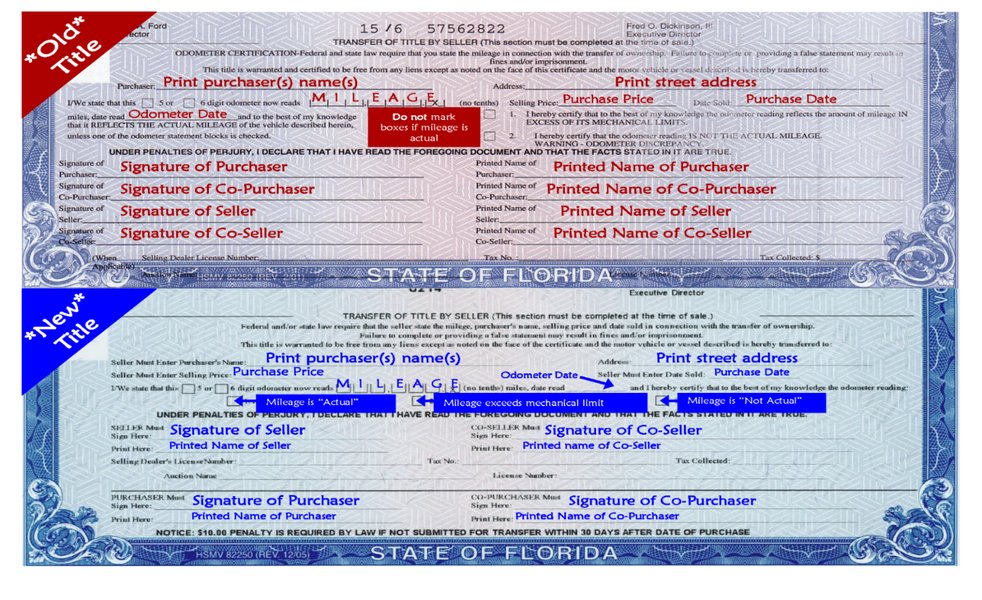
Understanding title documents is fundamental to the business.
Focus on Superior Customer Service
Creating Positive Experiences
The title and closing process can be complex for consumers. Differentiate your agency through exceptional communication, accuracy, efficiency, and attention to detail. Positive client experiences lead to repeat business and referrals.
Understand Florida Market Dynamics and Potential
Financial Realities
Be aware of typical fee structures in Florida. While varying, closing fees often average around $300, with title insurance premiums calculated based on the property's value (e.g., a common promulgated rate might be around $5.75 per $1000 for the first $100,000 of liability, decreasing for higher amounts). Profitability depends heavily on volume, efficiency, and managing overhead. Initial projections suggest that a lean operation (like a mobile agent) could potentially see high margins, but establishing a full-service agency requires careful financial management.
Assessing Key Factors for Success
The radar chart below visualizes key factors influencing the success of a new title agency in Florida. It offers a perspective on the relative importance or challenge associated with each area, based on industry insights. Higher values indicate greater significance or challenge.
This chart highlights that regulatory compliance and building strong industry relationships are often perceived as the most demanding aspects, while factors like initial cost and technology needs are significant but potentially more manageable with careful planning.
Frequently Asked Questions (FAQ)
What does a title company do in Florida?
A title company in Florida facilitates real estate closings. Key functions include: conducting title searches to verify ownership and identify liens or encumbrances, issuing title insurance policies to protect buyers and lenders against future title defects, holding escrow funds securely, preparing closing documents, coordinating the closing meeting, and ensuring all documents are properly recorded post-closing.
How much does it cost to start a title company in Florida?
Average startup costs are estimated around $19,000, but this can vary significantly based on scale and location. Key expenses include: licensing fees, premiums for required bonds (Fidelity ~$50k+, Surety ~$35k+) and E&O insurance (~$250k coverage), office setup (rent, furniture, equipment), technology (software subscriptions), website/marketing, and initial staffing costs.
Who regulates title companies in Florida?
Title insurance agencies and agents in Florida are regulated by the Florida Department of Financial Services (DFS), specifically under the Division of Agent and Agency Services. They oversee licensing, enforce state statutes and administrative rules, and handle consumer complaints.
What is an Agent-in-Charge (AIC) and why is it required?
An Agent-in-Charge (AIC) is a designated individual responsible for the supervision and management of all title insurance and closing activities within a licensed agency. Florida law requires every agency to have an AIC who must be either a Florida-licensed title agent or a Florida Bar attorney in good standing. This requirement ensures qualified oversight and accountability for the agency's operations and compliance.
Do I need to partner with a title insurance underwriter?
Yes, absolutely. A title agency acts as an agent for a title insurance underwriter. You cannot issue title insurance policies (which is a core function) unless you have a formal appointment (agency agreement) with at least one underwriter licensed in Florida. The underwriter provides the financial backing for the policies your agency issues.
Recommended Further Exploration
- Explore a detailed breakdown of costs and potential profitability for Florida title companies.
- Compare different title and escrow software solutions suitable for new agencies.
- Understand how Florida's promulgated rates for title insurance are calculated.
- Discover effective marketing tactics for connecting with realtors and lenders in the Florida market.
References
Last updated May 6, 2025