
OpenTCS: Comprehensive Overview
A versatile open-source platform for managing automated transport systems
Key Takeaways
- Vendor Independence: OpenTCS supports diverse AGV types and manufacturers, ensuring flexibility and scalability.
- Customization and Extensibility: The platform offers pluggable vehicle drivers and replaceable algorithms, allowing tailored solutions for various operational needs.
- Robust Simulation and Visualization: Integrated simulation modules and graphical modeling tools facilitate efficient planning and optimization of transport processes.
Introduction to OpenTCS
OpenTCS (Open Transportation Control System) is a robust, open-source software framework designed to manage and control fleets of Automated Guided Vehicles (AGVs) and mobile robots within industrial environments. Developed by the Fraunhofer Institute for Material Flow and Logistics (IML) in Dortmund, Germany, OpenTCS provides a flexible and vendor-independent platform that can be adapted to a wide range of material handling, logistics, and manufacturing automation applications.
Core Characteristics
Vendor and Platform Independence
One of OpenTCS's standout features is its independence from specific vehicle manufacturers or vendors. This allows organizations to integrate and manage diverse types of AGVs and mobile robots from different suppliers within a single unified system. By avoiding vendor lock-in, OpenTCS ensures that businesses can adapt and scale their transport operations without being constrained by proprietary technologies.
Flexible and Extensible Architecture
OpenTCS is built with a modular architecture that emphasizes flexibility and extensibility. Core components of the system include:
- Pluggable Vehicle Drivers: These drivers facilitate communication between OpenTCS and various AGV models by supporting different communication protocols. Users can develop custom drivers to interface with specific vehicles, enhancing compatibility and integration capabilities.
- Replaceable Algorithms: OpenTCS allows the replacement of core algorithms related to route computation, dispatching, and scheduling. This adaptability enables organizations to tailor the system's behavior to align with their unique operational requirements.
- Graphical Modeling Tools: The platform offers graphical frontend tools for designing and visualizing transport processes. This aids in the planning, management, and optimization of vehicle movements within a facility.
Technical Foundation
Developed entirely in Java, OpenTCS is platform-independent, ensuring compatibility across various operating systems. Released under the MIT open-source license, it promotes transparency and community-driven enhancements. The system is not an out-of-the-box solution but provides a comprehensive framework that requires custom integration to suit specific use cases.
Key Features of OpenTCS
Vehicle Management and Control
OpenTCS excels in managing fleets of different types of AGVs simultaneously. Its core functionalities include:
- Routing Vehicles: The system efficiently computes optimal routes for each vehicle, considering factors like traffic conditions, task priorities, and vehicle capabilities.
- Dispatching Orders: OpenTCS dispatches tasks to vehicles based on availability, current locations, and load capacities, ensuring balanced and efficient fleet utilization.
- Traffic Management: To prevent bottlenecks and collisions, OpenTCS manages vehicle traffic within the fleet, coordinating movements and interactions among multiple AGVs.
Simulation Capabilities
A notable feature of OpenTCS is its integration with simulation tools, such as Unity. This allows users to create virtual models of their transport environments, enabling the testing and validation of operations before actual deployment. Simulation facilitates:
- Optimization of transport processes by identifying and rectifying potential issues in a controlled environment.
- Scalability assessments to predict how the system will perform under varying load conditions.
Task Scheduling and Resource Management
Effective task scheduling is crucial for maximizing the efficiency of AGV fleets. OpenTCS provides robust scheduling tools that:
- Prioritize tasks based on urgency, deadlines, and resource availability.
- Allocate resources dynamically to adapt to real-time changes in the operational environment.
- Ensure optimal utilization of vehicles, minimizing idle times and enhancing productivity.
Graphical Frontend and Visualization
The graphical frontend of OpenTCS allows users to design, visualize, and manage transport processes intuitively. Key aspects include:
- Interactive maps and layouts of facilities, showing the real-time positions and statuses of AGVs.
- Drag-and-drop interfaces for designing transport routes and defining operational parameters.
- Real-time monitoring dashboards that provide insights into fleet performance and operational metrics.
Technical Architecture
Core Components
OpenTCS's architecture is designed to be modular and adaptable, consisting of several key components:
- Abstract Kernel: The kernel serves as the core of the system, handling fundamental operations such as route planning, dispatching, and scheduling. Its replaceable nature allows customization of underlying algorithms to meet specific operational needs.
- Vehicle Communication Adapters: These adapters facilitate communication between OpenTCS and AGVs by translating system commands into vehicle-specific protocols. This ensures seamless integration with diverse vehicle types.
- Graphical Frontend: The frontend provides tools for designing transport processes, visualizing vehicle movements, and monitoring system performance.
- Simulation Modules: Integrated simulation capabilities allow for virtual testing and validation of transport operations, enhancing planning and scalability.
Integration and Customization
While OpenTCS provides a comprehensive framework, it requires custom integration to function optimally within specific environments. This typically involves:
- Developing communication adapters tailored to the proprietary protocols of the existing AGVs or mobile robots.
- Configuring the system's routing and scheduling algorithms to align with the operational workflows and performance objectives of the facility.
- Utilizing graphical modeling tools to design transport processes that reflect the physical layout and logistical requirements of the environment.
Open-Source Community and Development
OpenTCS benefits significantly from its active open-source community. Contributions from developers worldwide enhance the system's capabilities, introduce new features, and ensure ongoing maintenance and support. Key aspects of community involvement include:
- Collaborative development efforts hosted on platforms like GitHub, enabling transparent and efficient code management.
- Community-driven extensions and plugins that expand the system's functionality and compatibility with various hardware and software components.
- Access to training materials, documentation, and support resources that facilitate the deployment and customization of OpenTCS in diverse environments.
Use Cases and Applications
Warehouse Management
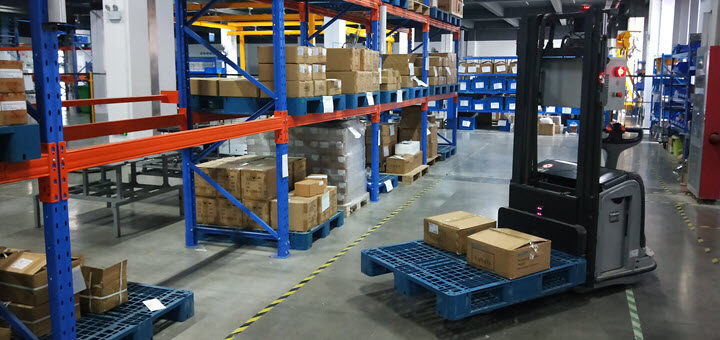
In warehouse settings, OpenTCS manages AGV fleets responsible for transporting goods between storage areas, loading docks, and production lines. It optimizes routes to minimize transit times, balances load distribution among vehicles, and ensures timely deliveries to maintain efficient operations.
Production Plant Logistics
OpenTCS facilitates the coordination of material flow within production plants, ensuring that components and finished goods are transported seamlessly between different stages of the manufacturing process. This integration enhances production efficiency and reduces downtime.
Automated Vehicle Fleet Coordination
Beyond traditional AGVs, OpenTCS can manage more complex fleets, including robot swarms and multi-functional mobile platforms. This versatility allows for advanced applications such as adaptive logistics solutions and highly dynamic material handling systems.
Electric Monorail Conveyors and Mobile Assembly Platforms
OpenTCS is adaptable to specialized transport systems like electric monorails and mobile assembly platforms. It manages the intricacies of these systems, ensuring synchronized operations and efficient resource utilization across various transport methods.
Comparison with Other Control Systems
When compared to proprietary transportation control systems, OpenTCS offers several distinct advantages:
| Feature | OpenTCS | Proprietary Systems |
|---|---|---|
| Licensing | Open-source (MIT License) | Proprietary licenses |
| Customization | Highly customizable with pluggable components | Limited customization options |
| Vendor Independence | Supports multiple vehicle types and manufacturers | Tied to specific vendors |
| Community Support | Active open-source community | Vendor-based support |
| Cost | Free to use and modify | Typically involves licensing fees |
| Integration Flexibility | Easily integrates with various hardware and software | Integration often limited to specific systems |
While proprietary systems may offer streamlined integration with specific hardware and dedicated support, OpenTCS provides unparalleled flexibility and freedom, making it an attractive choice for organizations seeking customizable and scalable transportation control solutions.
Implementation Considerations
System Integration
Implementing OpenTCS requires careful planning and integration with existing operational systems. Key considerations include:
- Compatibility: Ensuring that OpenTCS can communicate effectively with the existing AGVs or mobile robots by developing or utilizing appropriate communication adapters.
- Infrastructure: Assessing the current infrastructure to determine any necessary modifications or enhancements to support the deployment of AGV fleets.
- Software Integration: Integrating OpenTCS with other software systems, such as Warehouse Management Systems (WMS) or Enterprise Resource Planning (ERP) systems, to create a cohesive operational ecosystem.
Customization and Development
Given OpenTCS's framework nature, organizations may need to invest in developing custom modules or plugins to meet specific operational requirements. This involves:
- Customizing routing and scheduling algorithms to optimize transport processes based on facility-specific parameters.
- Developing custom vehicle drivers to facilitate seamless communication with proprietary AGV protocols.
- Designing graphical models that accurately represent the physical layout and logistical workflows of the operational environment.
Training and Support
Successful implementation of OpenTCS necessitates training for the operational team to effectively manage and utilize the system. Additionally, leveraging community resources, such as forums and documentation, can provide ongoing support and facilitate troubleshooting.
Advanced Features and Extensions
Integration with Advanced Simulation Tools
OpenTCS integrates with advanced simulation platforms like Unity, enabling detailed simulations of transport operations. This integration supports:
- Visual representation of AGV movements and interactions within a virtual model of the facility.
- Testing and validation of transport strategies without disrupting real-world operations.
- Scalability assessments to predict system performance under varying degrees of operational load.
Support for Diverse Mobility Systems
Beyond traditional AGVs, OpenTCS extends its support to include various mobility systems such as robot swarms and electric monorail conveyors. This diversity enables organizations to implement multifaceted transport solutions that cater to complex logistical demands.
OpenAPI and Integration Interfaces
OpenTCS provides API interfaces that facilitate integration with other software systems and platforms. This allows for:
- Seamless data exchange between OpenTCS and enterprise-level management systems.
- Development of custom dashboards and reporting tools tailored to organizational needs.
- Enhanced interoperability with IoT devices and advanced sensor technologies for real-time data acquisition and analysis.
Future Developments and Roadmap
The ongoing development of OpenTCS aims to enhance its capabilities and adaptability to meet evolving industrial requirements. Future developments include:
-
Enhanced AI Integration: Incorporating artificial intelligence and machine learning algorithms to improve route optimization, predictive maintenance, and adaptive scheduling.
-
Expanded Hardware Support: Increasing compatibility with a broader range of AGVs and emerging mobility technologies to cater to diverse industrial applications.
-
Improved User Interfaces: Developing more intuitive and user-friendly graphical interfaces to simplify system configuration, monitoring, and management.
-
Advanced Security Measures: Implementing robust security protocols to safeguard data integrity and protect against cyber threats in increasingly connected industrial environments.
-
Cloud Integration: Facilitating cloud-based management and analytics to leverage big data and provide remote monitoring and control capabilities.
Conclusion
OpenTCS stands out as a highly adaptable and comprehensive open-source solution for managing automated transport systems. Its vendor independence, flexible architecture, and robust feature set make it an excellent choice for organizations seeking to optimize their material handling and logistics operations. By leveraging its customization capabilities and active community support, businesses can tailor OpenTCS to meet their specific needs, ensuring efficient and scalable transport management.
References
Last updated February 7, 2025