
Blueprint for Transformation: Designing High-Impact Operating Model Redesign Workshops
A consultant's guide to structuring workshops that drive effective operating model redesign, from diagnosis to sustainable implementation.
Redesigning an organization's operating model is a significant undertaking that, when executed effectively, can unlock substantial improvements in efficiency, agility, and overall performance. A well-structured series of workshops is paramount to navigating this complex process. This guide provides a comprehensive framework for designing and facilitating such workshops, ensuring all critical components are addressed to achieve meaningful and lasting change.
Key Highlights for Success
- Strategic Foundation & Vision: Establish a robust understanding of the current state through thorough diagnostics, identify core problems, and secure executive buy-in by aligning the redesign with strategic imperatives and co-creating guiding design principles.
- Collaborative Design & Focus: Leverage co-creation methodologies to involve diverse stakeholders in designing the future operating model, focusing on key elements like structure, processes, technology, capabilities, and culture.
- Actionable Implementation & Sustained Change: Develop a clear roadmap for operationalization, including skill enhancement, talent acquisition, cultural transformation, and establishing robust metrics to measure success and foster continuous improvement.
Phase 1: Diagnostic Deep Dive & Problem Definition
The initial phase is crucial for building a solid understanding of the organization's current operational landscape and pinpointing the specific challenges the redesign must address. This sets the stage for an informed and targeted transformation.
Conducting a Comprehensive Organizational Diagnostic
A thorough diagnostic assessment provides the factual basis for the redesign. It involves systematically collecting and analyzing data to understand the current operating model's strengths, weaknesses, and alignment with strategic goals.
Key Activities:
- Framework Selection: Utilize established diagnostic models such as Weisbord's Six Box Model, the McKinsey 7S Framework, an Open Systems Theory approach, or a comprehensive appraisal model. These frameworks help structure the analysis across various organizational dimensions.
- Data Collection: Employ a mix of quantitative and qualitative methods:
- Reviewing existing documentation (e.g., strategy documents, organizational charts, process maps, past performance reports).
- Conducting stakeholder interviews with executives, managers, and frontline employees to gather diverse perspectives.
- Administering surveys to assess aspects like organizational culture, employee engagement, and operational efficiency.
- Holding initial workshops or focus groups to observe interactions and gather collective insights.
- Current State Mapping ("As-Is"): Collaboratively document the existing operating model, including its structure, core processes, technology landscape, decision-making pathways, and key roles and responsibilities.
This video provides insights into the processes for organizational diagnosis design, an essential first step.
Identifying and Prioritizing Problems to Solve
Once the diagnostic data is gathered, the next step is to identify and prioritize the core problems that the operating model redesign will tackle. This ensures that efforts are focused on areas with the highest potential impact.
Key Activities:
- Problem Synthesis: Analyze the diagnostic findings to identify recurring themes, pain points, inefficiencies, and misalignments with strategic objectives.
- Root Cause Analysis: For critical issues, employ techniques like the "5 Whys" or Fishbone (Ishikawa) diagrams to understand underlying causes rather than just addressing symptoms.
- Prioritization: Use methods like impact/effort matrices or weighted scoring to rank identified problems based on their strategic importance, urgency, and feasibility of resolution. This helps in focusing resources effectively.
Phase 2: Visioning, Executive Alignment, and Design Principles
With a clear understanding of the current state and key challenges, this phase focuses on securing leadership commitment, defining a compelling vision for the future, and establishing the core principles that will guide the redesign.
Securing Executive Buy-In and Sponsorship
Executive buy-in is non-negotiable for the success of an operating model redesign. Leaders must not only approve the initiative but also actively champion it.
Strategies for Engagement:
- Present a Compelling Case: Use data from the diagnostic phase to illustrate the need for change and the potential benefits (e.g., improved efficiency, enhanced customer satisfaction, increased agility).
- Align with Strategic Goals: Clearly demonstrate how the proposed operating model redesign directly supports the organization's overarching strategic objectives and competitive advantages.
- Lead from the Top: Emphasize the necessity of visible leadership commitment and active participation from key executives throughout the process.
- Communicate Value: Position the redesign as a critical investment that will drive business value, rather than just a cost-cutting or restructuring exercise.
- Involve Early and Often: Engage executives in the diagnostic review and visioning sessions to foster a sense of ownership and co-creation from the outset.
Co-Creating Design Principles
Design principles are a set of clear, actionable statements that guide decision-making throughout the operating model redesign process. They ensure consistency and alignment with the desired future state.
Process:
- Translate Strategy into Principles: Guide the leadership team and key stakeholders in translating the organization's strategy into a concise set of 7-15 design principles. Examples might include: "Customer-centricity in all processes," "Empowerment at the lowest possible level," "Seamless cross-functional collaboration," or "Data-driven decision making."
- Clarify Operational Implications: Ensure principles specify how the organization *must* operate to execute its strategy, highlighting aspects of the current model to change and strengths to preserve.
- Collaborative Development: Use workshops and brainstorming sessions to generate, discuss, and refine these principles. Techniques like dot-voting can help achieve consensus on the final set.
- Document and Communicate: Clearly articulate and broadly communicate the agreed-upon design principles to all stakeholders.
Phase 3: Co-Creative Design of the Target Operating Model (TOM)
This phase involves collaboratively designing the "to-be" operating model. It requires deep dives into the various interconnected elements that constitute an organization's operational framework.
Key Focus Areas for the Redesign
A holistic operating model encompasses several interdependent components. The redesign process must address each of these to ensure a cohesive and effective future state.
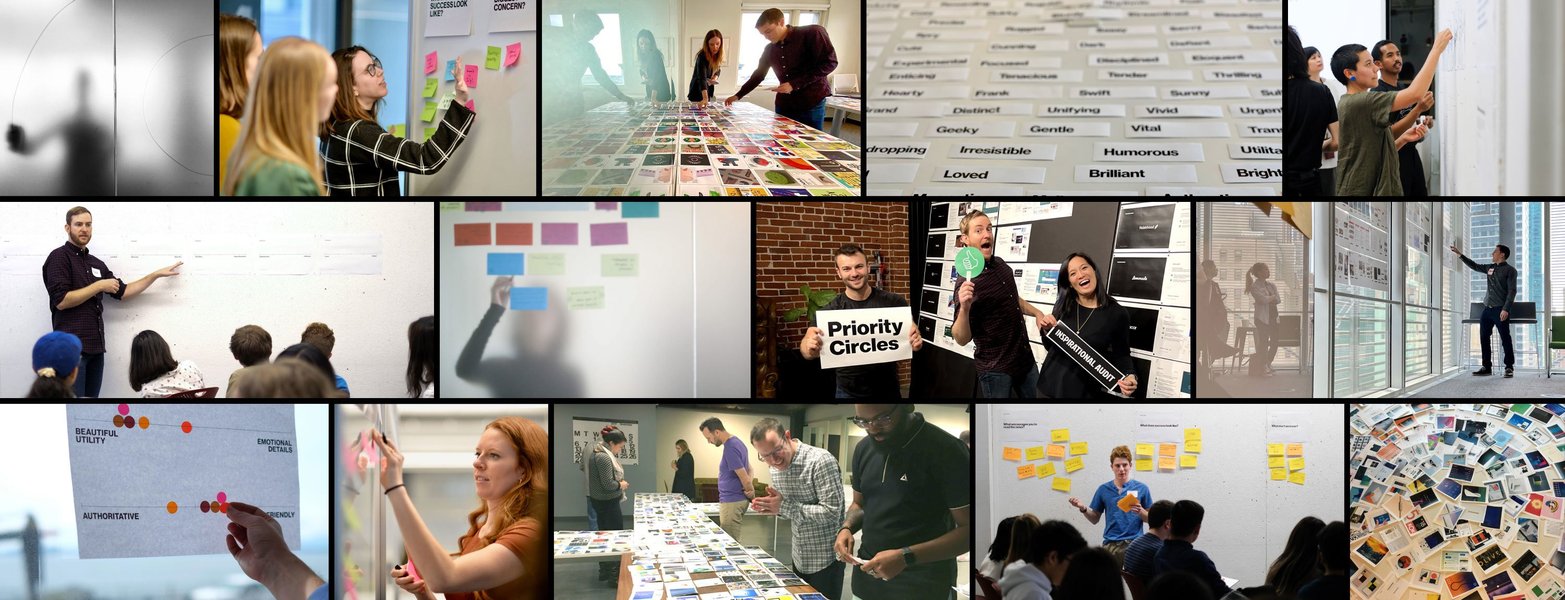
Effective co-creation workshops are key to designing an operating model that meets diverse stakeholder needs.
Core Elements of an Operating Model:
The following mindmap illustrates the interconnected elements that are crucial for a comprehensive operating model design. Addressing each of these ensures a holistic approach to transformation.
Steps to Create the Operating Model
The creation of the new operating model is an iterative process, involving design, validation, and refinement.
Iterative Design Process:
- Blueprint Development: Draft initial versions of the target operating model, detailing the changes to structure, processes, technology, etc., based on the design principles.
- Scenario Planning & Option Generation: Explore different configurations for the TOM, evaluating their pros and cons against the design principles and strategic goals.
- Role Clarity and Definition: Define new or modified roles, responsibilities, accountabilities, and decision rights (e.g., using RACI charts).
- Workflow Design: Map out key future-state workflows, focusing on efficiency, customer experience, and cross-functional collaboration.
- Integration Planning: Ensure the new model integrates effectively with other business units and support functions.
- Iterative Feedback Loops: Incorporate regular checkpoints for stakeholder feedback and refinement of the TOM design. Use pilots or simulations where appropriate.
Phase 4: Operationalization, Metrics, and People Strategy
Designing the model is only half the battle; successful operationalization is key to realizing its benefits. This phase focuses on planning the implementation, defining success measures, and addressing the critical people and culture aspects.
Defining Metrics and Measures of Success
Clear metrics are essential to track progress, measure the impact of the redesign, and drive continuous improvement. These should be aligned with the strategic objectives of the transformation.
Key Performance Indicators (KPIs):
- Operational Metrics: E.g., cycle time reduction, cost savings, productivity improvements, error rate reduction.
- Customer Metrics: E.g., customer satisfaction (CSAT), Net Promoter Score (NPS), customer retention rates, time-to-market for new offerings.
- Employee Metrics: E.g., employee engagement scores, retention rates for key talent, skill proficiency levels, adoption of new ways of working.
- Strategic Metrics: E.g., market share growth, achievement of specific strategic goals, innovation rate.
A balanced scorecard approach can be useful for tracking performance across these different dimensions. Targets should be set, and mechanisms for regular monitoring and review established.
Visualizing Operating Model Focus Areas
The radar chart below provides an opinionated visualization of potential focus areas in an operating model redesign. It compares a hypothetical current state assessment against a desired target state and highlights areas of implementation focus. This helps in prioritizing efforts and resources during the operationalization phase. The scale represents relative maturity or effectiveness, from 1 (low) to 10 (high).
Skills Uplift, Hiring, and Talent Strategy
The new operating model will likely require new skills and capabilities. A proactive talent strategy is essential.
- Skill Gap Analysis: Conduct a detailed assessment comparing existing workforce competencies against the skills required by the new operating model.
- Learning and Development (L&D) Plan: Design and implement targeted training, coaching, and mentoring programs to upskill and reskill existing employees. This can include programs on new technologies, processes, leadership styles, or collaborative behaviors.
- Hiring Strategy: Identify roles where external hiring is necessary to fill critical skill gaps. Define new job descriptions and competency profiles for recruitment.

Effective change management is crucial for addressing the people side of transformation.
People, Culture, and Change Management
Sustainable change requires addressing the human element. The new operating model must be supported by the organization's culture and its people.
- Change Management Strategy: Develop a comprehensive change management plan (e.g., using Prosci's ADKAR model) to manage resistance, build awareness, foster desire, impart knowledge, develop ability, and reinforce changes.
- Cultural Alignment: Identify and promote the cultural shifts necessary to support the new operating model. This may involve initiatives to foster collaboration, innovation, accountability, or customer-centricity.
- Communication Plan: Implement a clear, consistent, and ongoing communication strategy to keep all employees informed, engaged, and motivated throughout the transition.
- Leadership Development: Equip leaders with the skills and mindset needed to champion the change, role-model new behaviors, and support their teams through the transition.
- Employee Engagement: Plan initiatives to actively involve employees in the transition process, solicit feedback, and address concerns proactively.
- Aligning HR Systems: Ensure HR processes (performance management, rewards, recognition) are aligned to reinforce the behaviors and outcomes expected in the new operating model.
Workshop Series Summary Table
The following table provides a high-level overview of a potential workshop series structure, combining objectives, key activities, and anticipated outputs for each major phase of the operating model redesign journey.
| Workshop Phase | Primary Objective | Key Activities | Key Outputs |
|---|---|---|---|
| 1. Diagnostic & Problem ID | Understand current state; identify core issues. | Current state assessment, data collection (surveys, interviews), pain point identification, problem prioritization. | Diagnostic report, "As-Is" model documentation, prioritized list of problems. |
| 2. Executive Buy-In & Vision | Secure executive sponsorship; align on vision and guiding principles. | Stakeholder mapping, vision sharing, aligning expectations, co-creation of design principles. | Executive commitment, agreed vision statement, documented design principles. |
| 3. Co-Creative TOM Design | Collaboratively design the future operating model. | Capability mapping, process re-engineering, technology needs assessment, organizational structure design, defining roles & responsibilities. | "To-Be" operating model blueprint, detailed process maps, structural designs. |
| 4. Implementation Planning | Develop a detailed roadmap for operationalization. | Roadmap development, defining initiatives, resource allocation, risk assessment, change management planning. | Implementation roadmap, change management plan, communication plan. |
| 5. Metrics & Skill Uplift Strategy | Establish success measures; plan for capability development. | KPI definition, target setting, monitoring mechanisms design, skill gap analysis, L&D program design, hiring strategy. | KPI dashboard, skill development plan, talent acquisition plan. |
| 6. Culture & Continuous Improvement | Embed cultural changes; establish ongoing refinement processes. | Cultural alignment initiatives, feedback mechanisms, governance for continuous improvement, lessons learned sessions. | Plan for cultural initiatives, framework for ongoing model adaptation. |
Critical Considerations Often Missed
Beyond the core components, several critical elements can significantly impact the success of an operating model redesign:
- Risk Assessment and Mitigation: Proactively identify potential risks associated with the redesign (e.g., operational disruption, employee resistance, technology integration challenges) and develop mitigation strategies.
- Resource Planning: Ensure adequate resources (budget, time, personnel, technology) are allocated for both the design and implementation phases.
- Governance for the Transformation: Establish a clear governance structure for the redesign project itself, with defined roles, responsibilities, decision-making processes, and regular progress reviews.
- Iterative Approach and Agility: Recognize that operating model redesign is not a one-time event. Build in flexibility and mechanisms for iterative refinement based on feedback and evolving business needs. Emphasize continuous improvement.
- Stakeholder Engagement Beyond Workshops: Maintain ongoing communication and engagement with all stakeholders throughout the entire lifecycle of the redesign, not just during formal workshop sessions.
- External Context Monitoring: Continuously consider the external environment (market shifts, technological advancements, competitor actions) to ensure the operating model remains adaptive and resilient.
Frequently Asked Questions (FAQ)
How long does an operating model redesign workshop series typically take?
Who should be involved in these workshops?
What are common pitfalls to avoid during an operating model redesign?
How do we ensure the new operating model remains relevant over time?
Conclusion
Redesigning an organization's operating model through a series of well-crafted workshops is a powerful approach to driving strategic alignment, operational excellence, and sustained competitive advantage. By meticulously planning each phase—from diagnostics and problem identification to co-creative design and robust operationalization—consultants can guide organizations toward a future state that is not only efficient and effective but also agile and resilient. The key lies in a holistic approach that integrates strategy, structure, processes, technology, and, most importantly, people and culture, underpinned by strong leadership commitment and continuous stakeholder engagement.
Recommended Further Exploration
- Discover advanced techniques for maximizing stakeholder engagement throughout complex organizational change initiatives.
- Learn how to effectively measure the return on investment (ROI) for an operating model transformation project.
- Explore strategies for integrating agile principles and methodologies into more traditional operating model frameworks.
- Understand the key leadership competencies required for successfully navigating cultural transformation during an operating model redesign.
References
Last updated May 22, 2025