
Porto Unveiled: Navigating "The Invincible City" with Limited Mobility – Is It Your Next Accessible Adventure?
Discover how Porto is balancing its historic charm with modern accessibility, making it an increasingly welcoming destination for all travelers.
Porto, Portugal's vibrant second city, often called Oporto, presents a unique blend of rich history, stunning architecture, and a famously hilly landscape. For travelers with limited mobility, the question of its suitability is paramount. While the city's topography and ancient cobblestone streets can pose challenges, Porto has made commendable strides in enhancing accessibility. This evaluation delves into what you can expect, from transport and attractions to accommodation and practical tips, helping you decide if Porto is the right destination for your needs.
Key Highlights for Accessible Travel in Porto
- Improved Infrastructure: Porto is actively working to become more inclusive, with many key tourist areas and public transport options adapted for accessibility.
- Accessible Attractions: A significant number of Porto's famous landmarks, museums, and even river cruises offer features like ramps, elevators, and accessible tours.
- Strategic Planning is Essential: While accessible, Porto's hilly nature means careful itinerary planning, utilizing adapted transport, and choosing suitable accommodation are crucial for a comfortable experience.
General Accessibility Overview
Porto's commitment to becoming an accessible destination is evident, though its historic fabric inherently presents some hurdles. Understanding this balance is key to planning a successful visit.
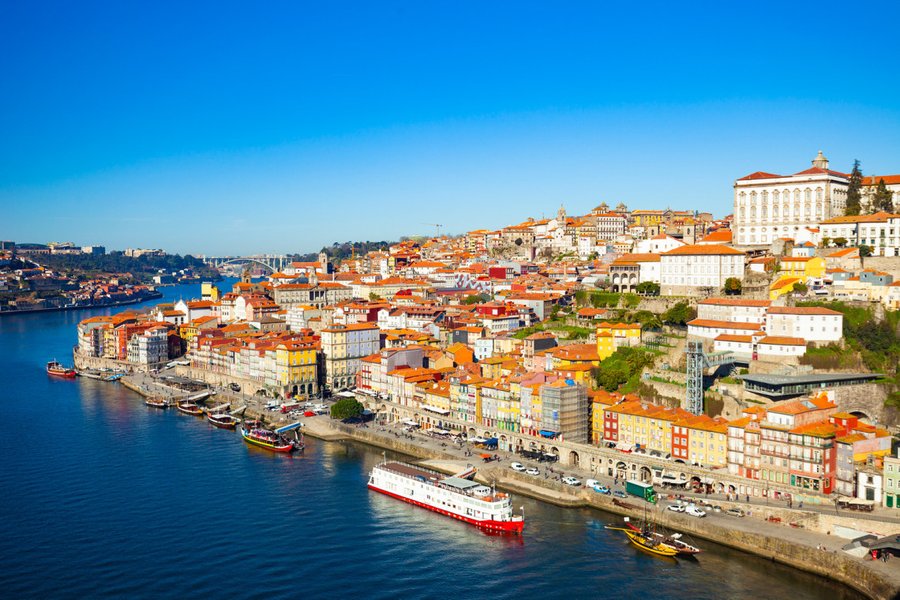
Panoramic view of Porto, showcasing its iconic Dom Luís I Bridge and riverside architecture.
Porto's Unique Landscape: Challenges and Charms
The Hilly Terrain and Cobblestones
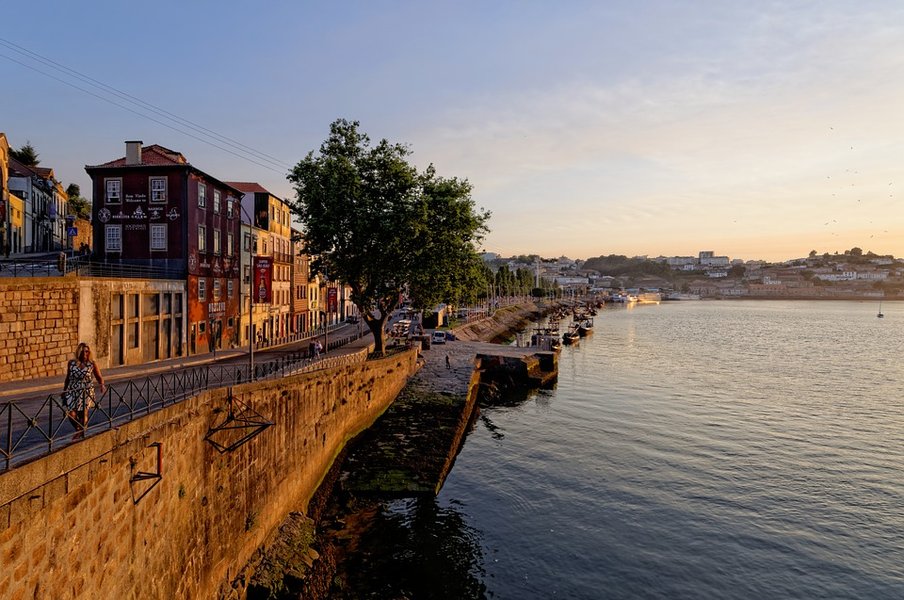
The city is famously built on hills overlooking the Douro River. This geography, while offering breathtaking views, means steep inclines and declines are common. Many historic areas feature charming but often uneven cobblestone streets. This can make independent navigation challenging for wheelchair users, scooter users, or those with difficulty walking. However, many central areas and riverside paths have seen upgrades, including smoother paving and dropped curbs.
Historic Buildings
Porto's rich history is embodied in its beautiful old buildings. While many have been retrofitted for accessibility, some older structures may still have steps at entrances or limited internal access due to their protected status. It's always advisable to check accessibility features in advance for specific sites.
City-Wide Accessibility Initiatives
Porto is actively participating in initiatives like "Porto for Everyone," aiming to create an environment where everyone, regardless of physical ability, can enjoy the city's offerings. This includes developing accessible tourist routes, providing information in various formats (like Braille guides and audio guides in some locations), and encouraging businesses to improve their facilities. Public areas and transport networks are continuously being upgraded.
Navigating Porto: Transportation Options
Getting around Porto with limited mobility is feasible thanks to several accessible transport options. Careful planning can make your journeys smoother.
Public Transport: Metro and Buses
Porto Metro
The Porto Metro is widely regarded as one of the most wheelchair-friendly systems in Portugal. Most, if not all, stations are equipped with elevators and ramps, providing good access from street level to the platforms. The trains themselves are designed with level boarding and designated spaces for wheelchairs. Key stations like Aliados (city center) and São Bento (main train station) are highly accessible.
STCP Buses
The STCP urban bus fleet has made significant progress. Many buses are low-floor, equipped with retractable ramps for wheelchair access, and have reserved spaces. This makes them a viable option for exploring areas not directly served by the Metro. However, it's worth noting that not all routes or all buses on a route may be fully equipped, so checking specific line information or allowing for flexibility is advisable.
Porto offers diverse transport, from historic trams to its modern, accessible Metro system.
Taxis, Rideshares, and Adapted Vehicles
Taxis are readily available in Porto. While not all standard taxis are equipped for wheelchairs, it's possible to request an accessible vehicle. Ride-sharing services like Uber and Bolt also operate in the city and can be convenient. For guaranteed accessibility and tailored support, several private companies offer adapted vehicles with ramps or lifts and driver-guides. These services can be pre-booked for airport transfers, city tours, or day trips, offering flexibility and door-to-door convenience.
Pedestrian Infrastructure: Sidewalks and Crossings
While Porto's historic cobblestones can be a challenge, many areas, particularly in the city center and newly renovated zones, feature improved sidewalks with smoother surfaces and dropped curbs at crossings. Tactile paving is also being introduced in some areas to assist visually impaired pedestrians. However, inconsistencies can exist, so it's wise to use mobility aids designed for varied terrain if possible.
Accessible Attractions and Experiences
Porto boasts a wealth of attractions, and many have made significant efforts to welcome visitors with limited mobility. Here's a look at some key sites and their accessibility features:
| Attraction | Accessibility Features | Notes |
|---|---|---|
| São Bento Train Station | Fully accessible via a ramp from the side entrance; elevators; smooth paving in main hall. | Famous for its stunning azulejo tile panels. A central and accessible arrival/departure point. |
| Clérigos Church and Tower | Elevators provide access to parts of the site, including panoramic views for those unable to climb all stairs. Ramps to main entrance. | Historic structure, some internal areas might still have steps. Surrounding streets are hilly. |
| Serralves Museum of Contemporary Art | Excellent accessibility: ramps, elevators, adapted restrooms, level pathways in gardens. Audio guides available. | Modern design ensures comprehensive access to exhibits and extensive gardens. |
| Palácio da Bolsa (Stock Exchange Palace) | Offers wheelchair-friendly tours. Some areas accessible via ramps/lifts. | Impressive neoclassical architecture. Check specific tour accessibility. |
| Rosa Mota Pavilion (Pavilhão Rosa Mota / Super Bock Arena) | Good wheelchair access with wide entrances, ramps, and level flooring. | A cultural hub hosting events, exhibitions, and offering pleasant surrounding gardens. |
| Port Wine Cellars (Vila Nova de Gaia) | Many cellars offer accessible tours and tastings. Access can vary, so pre-booking and inquiry are recommended. | Located across the river, reachable by accessible transport or taxi. Some areas are steep. |
| Douro River Cruises (Six Bridges Cruise) | Some boat operators offer accessible vessels with level boarding and seating. | A popular way to see the city's iconic bridges. Confirm accessibility when booking. |
| Livraria Lello (Lello Bookstore) | Has made efforts to accommodate visitors with limited mobility. | Iconic bookstore; can be crowded. Inquire about specific access arrangements. |
| Casa da Música (House of Music) | Modern infrastructure with wide doors, lifts, and adaptable seating. Staff available to assist. | Excellent for music lovers; check event accessibility. |
This table summarizes some of Porto's main attractions and their general accessibility. It's always recommended to contact venues directly for the most current information and to discuss specific needs.
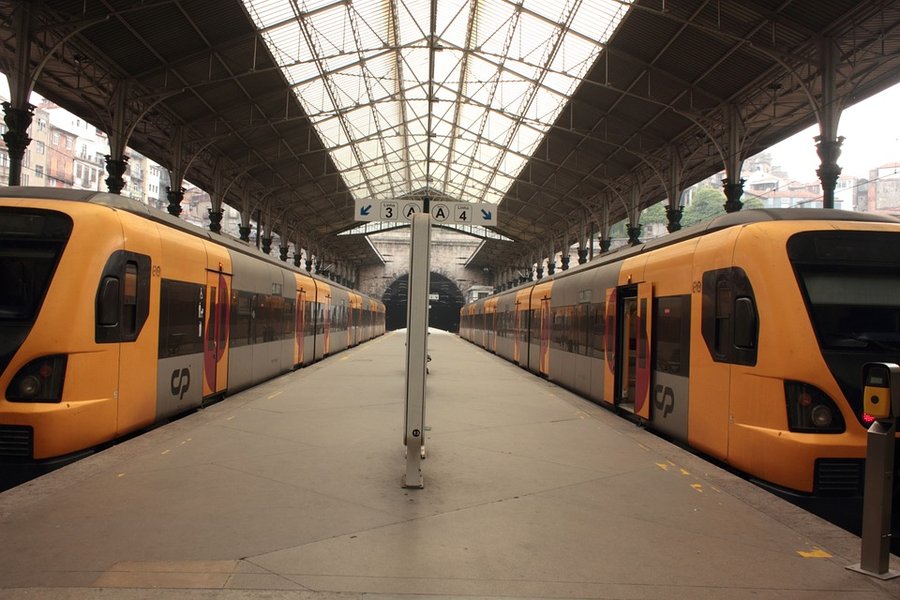
The stunning and accessible main hall of São Bento Train Station, adorned with azulejo tile panels.
Visualizing Porto's Accessibility Profile
To provide a clearer picture of Porto's accessibility, this chart offers an opinionated analysis based on available information. It compares various factors relevant to travelers with limited mobility. Scores are on a scale where higher values indicate better accessibility or ease of use.
This chart illustrates that while Porto excels in areas like public transport and specialized tour availability, the inherent terrain and some older infrastructure aspects present moderate challenges. Strategic planning can help leverage the strengths and mitigate the difficulties.
Exploring Porto with Limited Mobility: A Mindmap Overview
This mindmap provides a visual summary of key considerations for visiting Porto with limited mobility, highlighting strengths, challenges, and solutions to help you plan your trip effectively.
Limited Mobility"] id1["Strengths"] id1a["Accessible Metro System"] id1b["Many Adapted Buses (STCP)"] id1c["Key Attractions Improved (Ramps, Lifts)"] id1d["Accessible Accommodations Available"] id1e["Specialized Accessible Tours"] id2["Challenges"] id2a["Hilly Terrain (Steep Inclines)"] id2b["Cobblestone Streets (Uneven Surfaces)"] id2c["Some Historic Buildings Limited Access"] id2d["Variability in Sidewalk Quality"] id3["Solutions & Tips"] id3a["Careful Itinerary Planning"] id3b["Utilize Accessible Public Transport"] id3c["Consider Adapted Taxis/Private Tours"] id3d["Book Accessible Accommodation in Advance"] id3e["Focus on Flatter Areas (e.g., parts of Foz do Douro, Boavista, some riverside areas)"] id3f["Check Venue Accessibility Directly"] id3g["Visit Off-Peak to Avoid Crowds"] id4["Key Accessible Areas & Experiences"] id4a["São Bento Station"] id4b["Serralves Museum"] id4c["Clérigos Church (partial/assisted)"] id4d["Rosa Mota Pavilion"] id4e["Douro River Cruises (select operators)"] id4f["Some Port Wine Cellars"]
Specialized Tours and Services
Several tour operators in Porto specialize in providing accessible experiences for travelers with limited mobility. These companies offer:
- Adapted Vehicles: Transportation in wheelchair-accessible vehicles with ramps or lifts.
- Customized Itineraries: Tours designed to avoid excessively steep or challenging terrain, focusing on accessible routes and attractions.
- Driver-Guides: Knowledgeable guides who can assist with navigation and provide information about the city.
- Equipment Rental: Some services may assist with renting mobility aids if needed.
Booking such a tour can significantly enhance your visit, providing peace of mind and ensuring you can experience the best of Porto comfortably and safely. These tours often cover major highlights and can include pick-up and drop-off at your hotel, the airport, or cruise port.
Accommodation: Finding a Comfortable Stay
Porto offers a growing range of accommodations with accessibility features. Many modern hotels, and even some renovated traditional guesthouses, provide:
- Wheelchair ramps at entrances and within the property.
- Elevators to access all floors.
- Spacious rooms with wider doorways.
- Accessible bathrooms with roll-in showers, grab bars, and shower seats.
It is highly recommended to book your accommodation well in advance and to communicate your specific accessibility needs directly with the hotel to ensure they can meet your requirements. Websites specializing in accessible travel can also be valuable resources for finding suitable lodging. Consider staying in flatter areas or locations with good access to accessible public transport.
A Disabled Traveler's Guide to Porto
For a firsthand perspective on navigating Porto with mobility challenges, the following video offers valuable insights and tips. It showcases how one traveler experienced the city, highlighting both its accessible features and potential obstacles.
This video, "How To Explore Porto : A Disabled Traveler's Guide 👨🦽", provides a practical look at exploring Porto's streets, using public transport, and visiting attractions from the viewpoint of a wheelchair user. Such personal accounts can be incredibly helpful in setting expectations and planning your own accessible journey through this beautiful Portuguese city.
Practical Tips for a Smooth Visit
- Plan Meticulously: Research accessible routes, attractions, and transport options before your trip. Use online resources, travel guides focused on accessibility, and contact venues directly.
- Book in Advance: This is especially important for accessible accommodation, specialized tours, and any required adapted transport.
- Pace Yourself: Porto's hills can be tiring. Plan shorter days or include rest breaks. Don't try to see everything at once.
- Visit Off-Peak: Attractions are less crowded early in the morning or late in the afternoon, making navigation easier.
- Communicate Your Needs: Don't hesitate to inform hotel staff, tour operators, and restaurant personnel about your requirements. Portuguese hospitality is generally very helpful.
- Mobility Aids: Ensure your wheelchair, scooter, or other mobility aids are in good condition and suitable for varied surfaces, including cobblestones.
- Stay Connected: A local SIM card or good roaming plan can be invaluable for accessing maps, transport schedules, and emergency contacts.
- Consider Flatter Neighborhoods: While the historic center is a must-see, areas like Foz do Douro (by the coast) or parts of Boavista tend to be flatter and may offer a more relaxed experience for mobility.
Frequently Asked Questions (FAQ)
Is Porto's hilly terrain a major obstacle for visitors with limited mobility? ▼
Yes, Porto's hilly terrain and cobblestone streets can be challenging. However, with careful planning, focusing on more accessible areas, using accessible transport options (like the Metro or adapted taxis), and considering specialized tours, these obstacles can often be managed. Many central areas have improved infrastructure.
Are accessible accommodations easy to find in Porto? ▼
There is a good selection of hotels and other accommodations in Porto offering accessibility features like ramps, elevators, spacious rooms, and roll-in showers. It's crucial to book well in advance and confirm your specific needs directly with the property to ensure suitability.
What's the best way to get around Porto with limited mobility? ▼
A combination of options works best. The Porto Metro is highly accessible. Adapted STCP buses serve many routes. For maximum convenience and tailored routes, consider pre-booked accessible taxis or private tours with adapted vehicles. Walking in some historic areas can be difficult, so plan routes carefully.
Can I enjoy Porto's historic sites if I have mobility limitations? ▼
Many of Porto's major historic sites, such as São Bento Train Station, Clérigos Church (with some accessible solutions), Palácio da Bolsa, and Serralves Museum, have made improvements to welcome visitors with disabilities. However, due to the age of some structures, complete accessibility might not always be possible. It's best to check with each site individually regarding their specific facilities and any potential limitations.
Recommended Further Exploration
- Explore a detailed guide to accessible Porto Metro stations and lines for seamless city travel.
- Discover the best wheelchair-friendly hotels located in Porto's vibrant city center.
- Read reviews of accessible guided tours in Porto specifically designed for mobility-impaired travelers.
- Learn about the accessibility features of the famous Port wine cellars in Vila Nova de Gaia.
References
Last updated May 10, 2025