
Optimal Investment Strategies for Your €70,000 Capital
Comprehensive Guide to Maximizing Returns and Minimizing Risks
Key Takeaways
- Diversification is crucial: Spread your investments across various asset classes to mitigate risks and enhance potential returns.
- Prioritize an emergency fund: Ensure financial stability by setting aside funds for unforeseen expenses before making significant investments.
- Align investments with your risk tolerance and goals: Tailor your portfolio to match your financial objectives and comfort with risk.
1. Establishing an Emergency Fund
Importance and Allocation
Before venturing into various investment opportunities, it's essential to secure your financial foundation by establishing an emergency fund. This fund acts as a financial buffer, covering unexpected expenses such as medical emergencies, job loss, or urgent repairs, ensuring that you don't have to liquidate your investments prematurely.
Recommended Allocation: Allocate approximately 15-20% of your capital (€10,500-€14,000) to this fund. This amount typically covers 3-6 months of living expenses, providing sufficient security without compromising your investment potential.
Where to Hold Your Emergency Fund:
- High-Yield Savings Accounts: Offers better interest rates compared to traditional savings accounts while maintaining liquidity.
- Money Market Funds: Provide slightly higher returns with minimal risk, ensuring quick access to your funds.
- Short-Term Certificates of Deposit (CDs): Although offering higher interest rates, ensure that the term aligns with your liquidity needs to avoid penalties.
2. Building a Diversified Investment Portfolio
Strategic Allocation Across Asset Classes
Creating a diversified investment portfolio is fundamental to balancing risk and reward. By spreading your investments across different asset classes, you reduce the impact of poor performance in any single investment, enhancing overall portfolio stability.
Recommended Allocation: Allocate around 60-70% (€42,000-€49,000) of your capital to a diversified investment portfolio. This allocation should encompass a mix of equities, bonds, real estate, and alternative investments tailored to your risk tolerance and investment horizon.
2.1. Equities and ETFs
Investing in stocks and Exchange-Traded Funds (ETFs) provides exposure to various sectors and geographical regions, fostering growth and capital appreciation.
- Broad Market ETFs: Low-cost ETFs like the Vanguard FTSE All-World ETF offer diversified exposure to global markets.
- Sector-Specific ETFs: Focus on emerging sectors such as technology, healthcare, or green energy to capitalize on growth trends.
- Dividend Stocks: Investing in blue-chip companies that pay regular dividends can provide a steady income stream alongside potential capital gains.
2.2. Real Estate Investments
Real estate remains a robust avenue for wealth generation, either through direct property ownership or indirect investments via Real Estate Investment Trusts (REITs) or SCPI (Sociétés Civiles de Placement Immobilier).
- Direct Property Ownership: Purchasing rental properties can generate passive income and appreciate over time, though it requires active management and comes with higher liquidity risks.
- REITs and SCPI: These allow you to invest in real estate without the hassle of property management, offering regular rental income and diversification benefits.
2.3. Fixed-Income Securities
Incorporating fixed-income securities like government and corporate bonds into your portfolio provides stability and predictable returns, balancing the volatility of equities.
- Government Bonds: Typically low-risk, offering steady interest payments.
- Corporate Bonds: Higher yields compared to government bonds but come with increased risk.
- Bond ETFs: Provide exposure to a diversified portfolio of bonds, enhancing liquidity and flexibility.
3. Allocating to Fixed-Income Investments
Balancing Safety with Returns
Fixed-income investments serve as a cornerstone for preserving capital while generating steady income. They are especially suitable for conservative investors or those nearing their financial goals.
Recommended Allocation: Allocate approximately 10-15% (€7,000-€10,500) of your capital to fixed-income investments.
- Government Bonds: Secure and reliable, ideal for long-term stability.
- Corporate Bonds: Offer higher yields but with added credit risk.
- Fixed Deposits (CDs): Provide guaranteed returns over a specified term, suitable for short to medium-term goals.
Considerations: While fixed-income securities are generally safer than equities, they are subject to interest rate risk and inflation risk, which can erode purchasing power over time.
4. Exploring Real Estate Investments
Direct Ownership vs. Indirect Investment
Real estate offers both income generation and capital appreciation. It serves as a tangible asset that can diversify your investment portfolio and hedge against inflation.
- Direct Property Purchase: Buying residential or commercial property can provide rental income and potential value appreciation. However, it requires significant capital, active management, and is less liquid.
- Real Estate Investment Trusts (REITs) and SCPI: These vehicles allow you to invest in real estate markets indirectly, offering diversification, lower entry costs, and higher liquidity compared to direct ownership.
Market Considerations: Real estate markets are influenced by economic cycles, interest rates, and local demand-supply dynamics. Conduct thorough market research or consult with real estate professionals to identify promising investment opportunities.
5. Embracing Sustainable & Impact Investing
Investing with Purpose and Profit
Sustainable and impact investing focuses on generating positive environmental, social, and governance (ESG) outcomes alongside financial returns. This approach attracts investors seeking to align their portfolios with their values.
- ESG ETFs: These funds invest in companies with strong ESG practices, promoting sustainability and ethical governance.
- Green Energy Projects: Investing in renewable energy sources like solar, wind, or hydrogen can yield substantial returns as the world shifts towards cleaner energy.
- Social Impact Bonds: These bonds fund projects aiming to achieve social outcomes, such as education or healthcare improvements.
Benefits: Beyond potential financial gains, sustainable investing contributes to societal well-being and environmental preservation, enhancing the long-term viability of your investments.
6. Allocating to Alternative Investments
Enhancing Portfolio Diversity and Potential Returns
Alternative investments offer avenues beyond traditional asset classes like stocks and bonds, providing opportunities for higher returns and further diversification.
- Cryptocurrencies: Allocating a small portion (e.g., 5-10%) to established cryptocurrencies like Bitcoin or Ethereum can offer significant returns, albeit with high volatility and risk.
- Commodities: Investing in gold, silver, or other raw materials can serve as a hedge against inflation and economic downturns.
- Private Equity and Venture Capital: Participating in startup funding or private business ventures can yield high returns but comes with substantial risk and lower liquidity.
Risk Management: Given the higher risk profiles of alternative investments, it is crucial to limit their proportion within your portfolio and perform comprehensive due diligence before committing capital.
7. Prioritizing Retirement Planning
Securing Your Financial Future
Effective retirement planning ensures financial security in your post-working years. Utilizing tax-advantaged accounts and strategic investment choices can significantly enhance your retirement savings.
- Retirement Accounts: Contribute to pension plans or Individual Retirement Accounts (IRAs) to benefit from tax deferrals and employer matching contributions.
- PER (Plan d'Épargne Retraite): In countries like France, PERs offer tax deductions on contributions and are designed specifically for long-term retirement savings.
- Asset Allocation: As you approach retirement, gradually shift your portfolio towards lower-risk investments to preserve capital and ensure steady income streams.
Long-Term Strategy: Start early and regularly contribute to retirement accounts to take advantage of compound interest, ensuring a comfortable and financially secure retirement.
8. Managing and Reducing Debt
Enhancing Financial Stability
Reducing high-interest debt can provide guaranteed returns by eliminating interest payments, thereby improving your net worth and freeing up funds for future investments.
- High-Interest Debt: Prioritize paying off credit cards, personal loans, or other high-interest liabilities to reduce financial strain and interest costs.
- Debt Consolidation: Consider consolidating multiple debts into a single, lower-interest loan to streamline payments and reduce overall interest burden.
- Debt Snowball Method: Pay off smaller debts first to build momentum and motivation, gradually tackling larger debts as you progress.
Financial Health: By effectively managing and reducing debt, you enhance your financial stability, making it easier to absorb unexpected expenses and capitalize on investment opportunities.
9. Implementing Tax Planning Strategies
Optimizing Investments for Tax Efficiency
Minimizing tax liabilities can significantly improve your investment returns. Strategic tax planning ensures that you retain more of your earnings and optimize your portfolio's growth potential.
- Capital Gains Tax Awareness: Understand the tax implications of selling investments and aim to hold assets long-term to benefit from lower capital gains tax rates.
- Tax-Advantaged Accounts: Utilize accounts like IRAs, PERs, or other local tax-efficient investment vehicles to defer or reduce taxes on your investments.
- Tax-Loss Harvesting: Offset capital gains by selling underperforming investments, thereby reducing your overall tax burden.
Compliance and Optimization: Stay informed about current tax laws and regulations in your jurisdiction, and consider consulting with a tax professional to ensure compliance and maximize tax benefits.
10. Consulting a Financial Advisor
Personalized Guidance for Optimal Investment Decisions
Engaging a financial advisor can provide tailored investment strategies aligned with your unique financial goals, risk tolerance, and time horizon. Advisors offer expertise, objective insights, and help in navigating complex financial landscapes.
- Personalized Planning: Advisors assess your financial situation and design a customized investment plan to help you achieve your objectives.
- Portfolio Management: They assist in constructing and managing a diversified portfolio, ensuring it remains aligned with your goals through regular reviews and adjustments.
- Risk Management: Financial advisors help identify and mitigate potential risks, safeguarding your investments against unforeseen market fluctuations.
Value Addition: The expertise and continuous support provided by financial advisors can enhance your investment outcomes, offering peace of mind and strategic advantage in your financial journey.
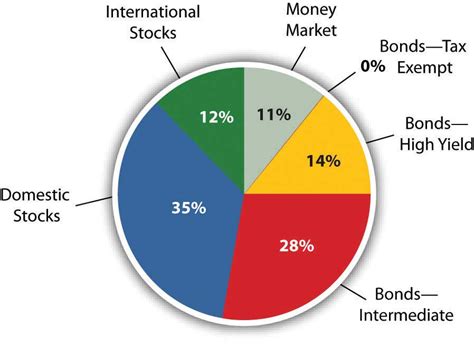
Sample Allocation by Risk Profile
Tailoring Your Portfolio to Your Risk Appetite
| Risk Profile | Asset Allocation |
|---|---|
| Conservative Investor |
|
| Balanced Investor |
|
| Aggressive Investor |
|
Final Tips for Maximizing Your €70,000 Investment
Strategies for Long-Term Success
-
Diversification is Key: Spread your capital across multiple asset classes and geographical regions to reduce risk and enhance return potential.
-
Regular Portfolio Review: Periodically assess and rebalance your portfolio to ensure alignment with your financial goals and market conditions.
-
Stay Informed: Keep abreast of market trends, economic indicators, and changes in tax laws to make informed investment decisions.
-
Maintain Discipline: Avoid making impulsive investment decisions based on short-term market fluctuations. Focus on your long-term strategy.
-
Utilize Tax-Efficient Investments: Prioritize investments that offer tax advantages to maximize your net returns.
-
Emergency Fund Maintenance: Regularly replenish your emergency fund to ensure it remains sufficient to cover unexpected expenses.
-
Leverage Professional Advice: Don't hesitate to consult financial advisors or investment professionals to optimize your investment strategy.
Conclusion
Strategic Planning for Financial Growth and Security
Investing €70,000 wisely involves a careful balance of risk management, diversification, and alignment with your personal financial goals. By establishing a solid foundation with an emergency fund, building a diversified portfolio, exploring various investment avenues, and seeking professional guidance, you can maximize your capital's growth potential while safeguarding against unforeseen financial challenges.
Remember, the key to successful investing lies in informed decision-making, continuous learning, and adapting your strategy to evolving financial landscapes. With disciplined planning and strategic allocation, your €70,000 capital can serve as a significant stepping stone towards achieving long-term financial prosperity and security.
References
By carefully considering these strategies and aligning them with your personal financial objectives, you can effectively grow and protect your €70,000 capital, setting the stage for long-term financial success.
Last updated January 18, 2025