
Optimal Position Sizing Strategies for Perpetual Crypto Futures Trading
Maximizing Profits While Managing Risk in the Volatile Crypto Market
Key Takeaways
- Understanding Risk Exposure: Proper position sizing is essential to control risk and protect capital in highly volatile markets.
- Adaptive Strategies: Implementing dynamic position sizing methods can enhance trading performance by adjusting to market conditions.
- Integration with Risk Management: Position sizing should be harmoniously integrated with other risk management tools like stop-loss orders and diversification.
Understanding Position Sizing in Perpetual Crypto Futures
What is Position Sizing?
Position sizing refers to the process of determining the number of units or contracts a trader should purchase or sell in a particular trade. In the context of perpetual crypto futures, where contracts have no expiration dates and leverage is often employed, effective position sizing is crucial. It ensures that traders maintain adequate control over their capital, manage risk exposure, and optimize potential returns.
Importance of Position Sizing
The crypto market is known for its extreme volatility, which can lead to significant price swings within short timeframes. Without proper position sizing, traders can quickly deplete their capital during adverse market movements or miss out on substantial profits. Effective position sizing strategies help in:
-
Mitigating the impact of losing trades.
-
Maximizing the benefits of winning trades.
-
Maintaining psychological stability by preventing overexposure.
-
Ensuring long-term sustainability and growth of trading capital.
Strategies for Optimal Position Sizing
1. Fixed Fractional Method
The fixed fractional method involves risking a fixed percentage of the trading capital on each trade. For instance, a trader might decide to risk 2% of their total capital per position. This approach ensures that the risk adjusts proportionally as the trading account grows or shrinks.
Advantages: Simplicity and scalability.
Disadvantages: May not account for varying market conditions and asset volatility.
2. Volatility-Based Position Sizing
This strategy adjusts the position size based on the volatility of the asset being traded. Higher volatility assets require smaller positions to manage risk, while lower volatility assets can accommodate larger positions. Indicators like the Average True Range (ATR) can be utilized to gauge volatility.
Advantages: Dynamic adjustment to market conditions.
Disadvantages: Requires constant monitoring and computation of volatility metrics.
3. Kelly Criterion
The Kelly Criterion is a mathematical formula used to determine the optimal size of a series of bets to maximize logarithmic wealth over time. In trading, it helps in calculating the ideal capital allocation based on the probability of winning and the payoff ratio.
Advantages: Optimizes growth rate of capital.
Disadvantages: Sensitive to estimation errors in probability and payoff assumptions.
4. Fixed Dollar Amount
Traders allocate a specific dollar amount to each trade, regardless of account size or market conditions. For example, a trader might decide to invest $500 per perpetual futures position.
Advantages: Simplicity and ease of implementation.
Disadvantages: Does not scale with account growth or shrinkage, potentially leading to disproportionate risk exposure.
5. Martingale and Anti-Martingale Strategies
The Martingale strategy involves doubling the position size after each loss, aiming to recover previous losses with a single win. Conversely, the Anti-Martingale (or Reverse Martingale) strategy increases position size after winning trades and decreases after losses.
Advantages: Potential for rapid recovery under Martingale; risk mitigation and capitalizing on winning streaks under Anti-Martingale.
Disadvantages: High risk of significant losses with Martingale; may miss opportunities with Anti-Martingale.
Risk Management Considerations
Setting Stop-Loss Levels
Integrating stop-loss orders with position sizing enhances risk management. By defining a maximum acceptable loss per trade, traders can determine appropriate position sizes that align with their risk tolerance. For instance, if a trader is willing to risk 2% of their capital and sets a stop-loss at 5% below the entry price, the position size can be calculated accordingly.
Diversification
Diversifying across multiple crypto assets can reduce overall portfolio risk. Position sizing should account for the correlation between assets to ensure that losses in one position do not excessively impact the entire portfolio. Diversification helps in spreading risk and capitalizing on different market movements.
Leverage Utilization
Perpetual futures often offer high leverage, amplifying both potential gains and losses. Effective position sizing must consider the degree of leverage used, ensuring that leveraged positions do not expose the trader to excessive risk. Balancing leverage with sound position sizing is critical to maintaining control over risk exposure.
Psychological Aspects
Emotional Discipline
Emotional responses to losses and gains can influence trading decisions. Adhering to a predefined position sizing strategy helps in maintaining discipline, preventing impulsive adjustments based on short-term market movements or emotional states.
Consistency in Strategy Execution
Consistently applying position sizing strategies, regardless of market conditions or recent trading performance, fosters a methodical approach to trading. This consistency is essential for evaluating the effectiveness of the strategy and making informed adjustments over time.
Tools and Indicators
Average True Range (ATR)
ATR measures market volatility by calculating the average range of price movement over a specified period. Traders use ATR to adjust position sizes based on current volatility, ensuring that positions are scaled appropriately to the prevailing market conditions.
Risk-to-Reward Ratio
The risk-to-reward ratio assesses the potential loss relative to the potential gain of a trade. Incorporating this ratio into position sizing helps in selecting trades that offer favorable returns for the level of risk undertaken, thereby optimizing overall trading performance.
Common Mistakes to Avoid
Overleveraging
Using excessive leverage can lead to amplified losses, potentially wiping out the trading account swiftly. Traders should cautiously manage leverage levels, aligning them with their position sizing and risk management strategies.
Ignoring Market Volatility
Failing to account for market volatility can result in inappropriate position sizing, exposing the trader to higher risks during turbulent periods. Incorporating volatility assessments into position sizing strategies is essential for effective risk management.
Inconsistent Application of Strategies
Deviating from established position sizing strategies due to emotional impulses or short-term market conditions can undermine long-term trading success. Maintaining consistency is vital for strategy effectiveness and capital preservation.
Case Study: Implementing the Fixed Fractional Method
Consider a trader with a $10,000 account balance who decides to implement the fixed fractional method, risking 2% of their capital per trade. This means each trade involves a risk of $200.
If the trader identifies an entry point with a stop-loss set at 5% below the entry price, the position size can be calculated as follows:
| Account Balance | Risk Percentage | Risk Amount | Stop-Loss Percentage | Position Size |
|---|---|---|---|---|
| $10,000 | 2% | $200 | 5% | $4,000 |
In this scenario, the trader would allocate $4,000 to the position, with a maximum loss of $200 if the trade hits the stop-loss. This approach ensures that no single trade jeopardizes more than 2% of the trading capital.
Advanced Position Sizing Techniques
Dynamic Position Sizing Based on Portfolio Performance
Advanced traders may adopt dynamic position sizing techniques that adjust based on the overall performance of their portfolio. For instance, increasing position sizes after a series of profitable trades or decreasing them after losses can help in capitalizing on trends and minimizing risk exposure.
Machine Learning and Algorithmic Position Sizing
Leveraging machine learning algorithms to analyze historical data and predict market movements can inform position sizing decisions. Such systems can dynamically adjust position sizes based on predictive models, optimizing trade entries and exits in real-time.
Risk Parity Approach
The risk parity approach allocates positions based on the contribution of each trade to the overall portfolio risk. By ensuring that each position contributes equally to the portfolio’s risk, traders can achieve balanced exposure across different assets and strategies.
Integrating Position Sizing with Overall Trading Strategy
Synergy with Technical Analysis
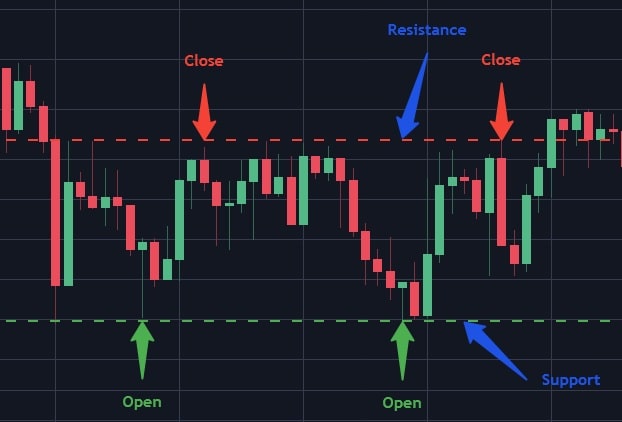
Combining position sizing strategies with technical analysis can enhance trading decisions. For example, using support and resistance levels to inform stop-loss placements and adjusting position sizes based on the strength of technical signals can lead to more informed and effective trades.
Alignment with Trading Goals and Timeframes
Position sizing should align with the trader’s overall goals, whether they aim for short-term gains or long-term growth. Additionally, the chosen position sizing strategy should consider the trading timeframe, ensuring that it complements the execution and holding periods of trades.
Conclusion
Optimal position sizing is a foundational element in successful perpetual crypto futures trading. By carefully selecting and implementing position sizing strategies that align with individual risk tolerance, market conditions, and trading objectives, traders can effectively manage risk, enhance profitability, and ensure the sustainability of their trading endeavors. Integrating position sizing with comprehensive risk management practices and maintaining emotional discipline are essential for navigating the inherently volatile crypto markets.
References
Last updated January 28, 2025