
Optimal Squash Strategy
Master the court with strategic precision and tactical excellence.
Key Takeaways
- Control the T-Position: Dominating the central court area ensures optimal coverage and response.
- Effective Serve and Shot Placement: Varying serves and precise shot placement disrupts opponents' rhythm.
- Adaptability and Consistent Pressure: Adjusting strategies based on opponents' playstyles while maintaining relentless pressure leads to victory.
Introduction
Squash is a high-intensity, fast-paced sport that demands not only physical agility but also sharp strategic thinking. An optimal squash strategy encompasses various elements, from court positioning and shot selection to mental fortitude and adaptability. By mastering these components, players can enhance their performance, outmaneuver opponents, and increase their chances of securing victories.
Court Position Control
Dominating the T-Position
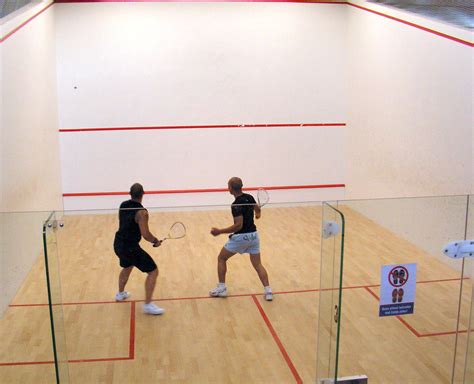
The "T" is the intersection point of the court's central lines and serves as the strategic focal point in squash. Controlling the T allows players to efficiently cover the court, respond swiftly to opponents' shots, and dictate the flow of the game.
- Central Dominance: Consistently returning to the T after each shot ensures that players are always in the optimal position to handle incoming balls.
- Efficient Coverage: From the T, players can quickly reach any part of the court, minimizing the distance traveled and conserving energy.
Efficient Movement
Minimizing unnecessary movement is crucial in maintaining stamina and ensuring quick reactions. Players should anticipate opponents' shots and position themselves accordingly.
- Anticipatory Positioning: Predicting the direction of opponents' shots allows for preemptive movement, reducing response time.
- Energy Conservation: Efficient footwork and minimal movement help in sustaining performance throughout extended rallies.
Serving Strategy
Effective Serving
A well-executed serve sets the tone for the rally, placing immediate pressure on the opponent and limiting their options.
- High Lob Serves: Serves that hit the side wall before reaching the front wall force opponents to move back, disrupting their positioning.
- Low and Fast Serves: Quick, low serves reduce the opponent's reaction time, making it challenging to execute powerful returns.
Mixing Up Serve Types
Varying service techniques prevents opponents from predicting and adapting to serve patterns, maintaining an element of surprise.
- Variation in Placement: Alternating between serves aimed at different corners keeps opponents off-balance.
- Speed and Spin: Incorporating different speeds and spins adds complexity to serves, making them harder to return effectively.
Shot Selection and Placement
Deep and Tight Shots
Hitting the ball deep into the back corners and keeping it close to the side walls limits opponents' attacking opportunities and forces them into defensive positions.
- Back Corner Drives: Directing shots to the back corners pushes opponents away from the T, creating space and potential unforced errors.
- Tight Wall Hits: Keeping shots close to the walls reduces the opponent's reaction area, making returns more predictable.
Use of Angles and Variety
Incorporating angled shots and varying shot types disrupts opponents' rhythm and keeps them guessing.
- Sharp Angles: Creating acute angles forces opponents to cover more ground, increasing the likelihood of weak returns.
- Shot Variety: Mixing drives, drops, and boasts prevents opponents from settling into a consistent pattern, maintaining control over the rally.
Adaptability and Anticipation
Adaptability to Opponent’s Style
Understanding and adjusting to an opponent's playstyle is essential for exploiting their weaknesses and neutralizing their strengths.
- Analyzing Strengths and Weaknesses: Identifying areas where the opponent excels or struggles allows for targeted strategies that can disrupt their gameplay.
- Flexible Tactics: Adjusting shot selection and court positioning based on the opponent's adjustments ensures continued strategic advantage.
Deception and Anticipation
Incorporating deceptive shots and anticipating opponents' moves keeps them off-balance and prevents them from establishing their own rhythm.
- Disguised Drops: Using drop shots that appear to be drives or lobs can catch opponents by surprise, creating scoring opportunities.
- Anticipatory Play: Reading opponents' body language and shot patterns allows for preemptive positioning and shot selection.
Maintaining Pressure
Consistent Pressure through Shot Placement
Maintaining relentless pressure through strategic shot placement forces opponents into defensive roles, increasing their likelihood of making errors.
- Controlled Rally Pace: Dictating the speed and tempo of the rally keeps opponents reactive rather than proactive.
- Targeting Weak Spots: Consistently directing shots to opponents' weaker areas limits their offensive capabilities.
Forcing Defensive Positions
By continuously placing opponents in defensive positions, players can control the rally and capitalize on opportunities to score.
- Ball Retrieval Pressure: Forcing opponents to chase and retrieve balls from challenging positions tires them out over time.
- Minimizing Opponent’s Offensive Options: Keeping the ball tight and deep reduces the ability of opponents to execute powerful or strategic shots.
Physical and Mental Preparation
Conditioning and Endurance
High levels of physical fitness are paramount in sustaining performance, enabling quick directional changes, and maintaining precision during extended rallies.
- Cardiovascular Training: Enhances stamina, allowing for sustained high-intensity play without significant performance drops.
- Flexibility and Agility: Improves movement efficiency and reduces the risk of injuries, enabling players to reach and return difficult shots effectively.
Mental Focus and Resilience
Mental fortitude is essential for maintaining concentration, managing stress, and staying composed under pressure.
- Concentration Techniques: Practices such as visualization and mindfulness help maintain focus during critical points in the match.
- Stress Management: Developing strategies to handle pressure situations ensures calm and effective decision-making during intense rallies.
Practice and Continuous Improvement
Training with Skilled Players
Engaging in regular practice with higher-level players provides exposure to advanced strategies and accelerates skill development.
- Skill Enhancement: Observing and emulating skilled players' techniques and strategies fosters improvement in one's own game.
- Strategic Insights: Higher-level opponents introduce complex game scenarios, enabling players to develop versatile strategies.
Technical Drills and Targeted Practice
Focused training on specific aspects of the game, such as shot accuracy, movement efficiency, and tactical execution, leads to comprehensive skill development.
-
Accuracy Drills: Enhancing shot precision ensures consistent and effective placement during matches.
-
Movement Efficiency: Improving footwork and court coverage reduces response time and increases overall performance.
Conclusion
Mastering an optimal squash strategy involves a harmonious blend of court control, effective serving, precise shot placement, adaptability, and relentless pressure. Coupled with robust physical conditioning and mental resilience, these strategic elements enable players to dominate rallies, outsmart opponents, and achieve sustained success on the court. Continuous practice and a commitment to refining both technical and tactical skills are essential in maintaining and enhancing one's competitive edge in the dynamic realm of squash.
References
Last updated January 13, 2025