
Optimal Story Count for Apartment Blocks to Maximize ROI
Balancing Efficiency, Costs, and Scale for Maximum Returns
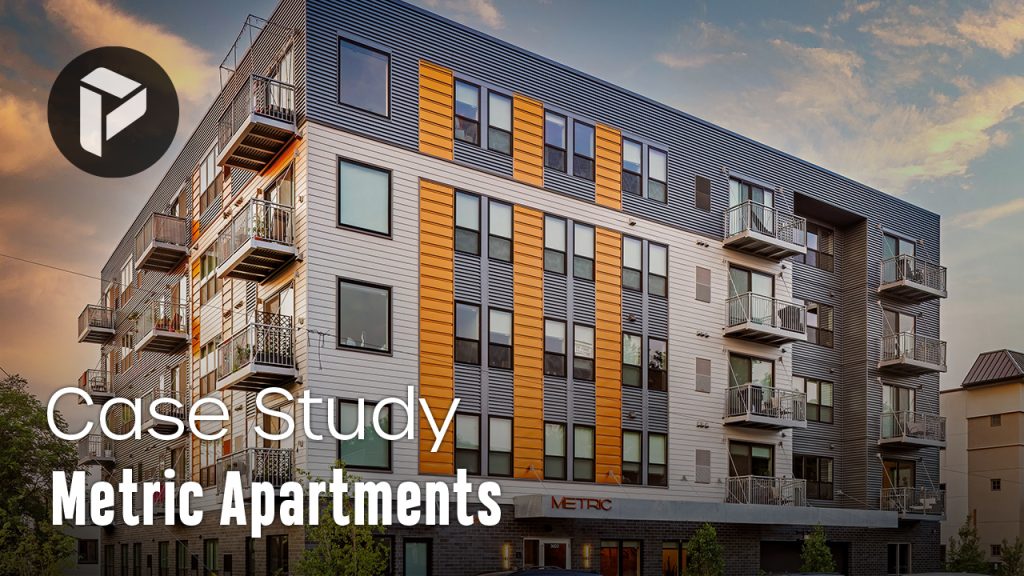
Key Takeaways
- Mid-rise buildings (4-6 stories) strike the best balance between construction costs and rentable space.
- Higher efficiency ratios and economies of scale significantly enhance ROI.
- Mid-rise structures offer manageable complexity and operational costs compared to high-rises.
Introduction
When planning the construction of a new apartment block with the primary objective of maximizing return on investment (ROI), determining the optimal number of stories is crucial. Ignoring external factors such as location, the focus shifts to internal elements like construction costs, rentable space, building efficiency, and operational complexities. This comprehensive analysis synthesizes key insights to recommend the ideal story count for achieving the best ROI.
Balancing Construction Costs and Rentable Space
Economies of Scale
Economies of scale play a pivotal role in maximizing ROI. As the number of stories increases, the total number of rentable units typically rises, spreading fixed construction and operational costs over a larger base. This can lead to a lower cost per unit, enhancing profitability. However, beyond a certain point, the per-unit construction costs rise due to the complexities associated with taller buildings.
Construction Cost Efficiency
Mid-rise buildings, generally ranging from 4 to 6 stories, offer a sweet spot where construction costs per square foot remain manageable. Standard wood framing techniques are usually sufficient up to 6 stories, avoiding the need for more expensive specialized construction methods required for high-rises. This balance ensures that additional stories contribute positively to ROI without disproportionately escalating costs.
Rentable Space Optimization
The efficiency ratio, defined as the proportion of net rentable square feet to total gross square feet, is a critical metric. Higher efficiency ratios imply more rentable space, directly translating to increased revenue potential. Mid-rise buildings can achieve and maintain high efficiency ratios, often around 85%, by optimizing unit layouts and minimizing non-rentable areas, thus enhancing overall ROI.
Operational and Management Considerations
Property Management Efficiency
Larger buildings benefit from reduced property management fees per unit. Mid-rise buildings, with a substantial number of units, allow property management firms to offer discounts, thereby lowering operational costs and improving net returns. Additionally, larger buildings facilitate centralized management systems, further enhancing efficiency.
Maintenance and Repair Costs
Maintenance expenses, such as roof replacements or HVAC system upgrades, can be distributed across a greater number of units in taller buildings. This distribution reduces the per-unit maintenance cost, positively impacting ROI. Mid-rise buildings strike a balance where these savings are maximized without incurring the heightened maintenance complexities of high-rises.
Design and Urban Integration
Human Scale and Urban Design
Urban design principles emphasize human scale, which mid-rise buildings support by maintaining a harmonious relationship with street-level activities and public spaces. Buildings up to 5 stories are considered optimal for fostering community interaction and ensuring that the architectural presence contributes positively to the urban environment, thereby enhancing tenant satisfaction and occupancy rates.
Density and Land Use Efficiency
Mid-rise apartment complexes can accommodate a substantial number of units per acre without overwhelming the surrounding area. Typically, 4-6 story buildings can house between 50 to 100 units per acre, providing a dense yet manageable population that optimizes land use without leading to excessive congestion. This density ensures a steady rental income stream while maintaining a pleasant living environment for residents.
Comparative Analysis of Building Heights
Table: Comparison of Low-Rise, Mid-Rise, and High-Rise Buildings
| Aspect | Low-Rise (1-3 stories) | Mid-Rise (4-6 stories) | High-Rise (7+ stories) |
|---|---|---|---|
| Construction Costs | Lower per square foot | Moderate per square foot | Higher per square foot due to specialized techniques |
| Rentable Units | Fewer units, lower density | More units, higher density | Maximum units, highest density |
| Maintenance Costs | Lower overall, higher per-unit for facilities | Balanced operational costs per unit | Higher overall, lower per-unit for shared facilities |
| Management Efficiency | Less efficient due to fewer units | More efficient with larger number of units | Highly efficient but with increased complexity |
| Efficiency Ratio | Lower | Higher | Highest but offset by costs |
| ROI Potential | Lower due to fewer units and limited scalability | Highest due to balance of costs and rentable space | Potentially high but with increased risks and costs |
Financial Metrics and ROI Analysis
Net Operating Income (NOI)
Net Operating Income is a fundamental metric in real estate investment, representing the total revenue from the property minus operating expenses. Mid-rise buildings typically exhibit strong NOI due to a higher number of rentable units and balanced operational costs. This strong NOI directly contributes to a higher capitalization rate, enhancing ROI.
Capitalization Rate and Cash-on-Cash Return
Capitalization rate (cap rate) measures the rate of return on a real estate investment property based on the income that the property is expected to generate. Cash-on-cash return evaluates the return on the actual cash invested. Mid-rise buildings, with their optimal balance of cap rate and manageable investment costs, often provide superior cash-on-cash returns compared to low-rise and high-rise buildings.
Break-Even Analysis
Conducting a break-even analysis helps determine the point at which total revenue equals total costs. Mid-rise buildings typically reach the break-even point faster than high-rises due to lower initial construction and operational costs, while generating sufficient revenue from a higher number of units. This expedited break-even timeline enhances the attractiveness of mid-rise projects to investors.
Risk Management and Long-Term Sustainability
Construction Risks
Taller buildings introduce greater construction risks, including structural integrity issues, longer construction timelines, and higher susceptibility to delays and cost overruns. Mid-rise buildings mitigate these risks by maintaining construction within standard practices and timelines, ensuring more predictable project completion and cost management.
Market Flexibility
Mid-rise buildings offer greater flexibility in adapting to market changes. They can accommodate diverse unit configurations and amenities without the logistical challenges inherent to high-rises. This adaptability ensures that mid-rise developments remain competitive and relevant in fluctuating market conditions, safeguarding long-term ROI.
Sustainability and Environmental Impact
Mid-rise buildings often have a smaller environmental footprint compared to high-rises. They require less energy for heating, cooling, and vertical transportation, and their construction can be more sustainable. This reduced environmental impact not only aligns with modern sustainability goals but also appeals to environmentally conscious investors and tenants, enhancing occupancy rates and ROI.
Conclusion
After a comprehensive analysis of various factors influencing return on investment, mid-rise apartment buildings, specifically those ranging from 4 to 6 stories, emerge as the optimal choice for maximizing ROI when external factors such as location are disregarded. These structures provide a harmonious balance between construction and operational costs, economies of scale, and rentable space efficiency. Additionally, mid-rise buildings offer manageable complexity, sustainable design, and financial metrics that collectively enhance profitability. Investors and developers aiming to achieve the highest ROI should consider mid-rise constructions as the strategic choice in new apartment block projects.
References
Last updated February 10, 2025