
Comprehensive Guide to Optimizing Your Artist CV
Elevate Your Artistic Career with a Standout Curriculum Vitae
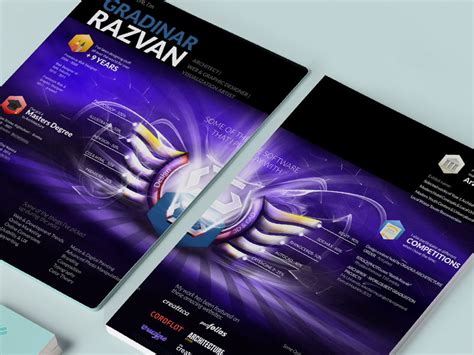
Key Takeaways
- Structured Organization: Maintain a clear and professional layout with well-defined sections.
- Tailored Content: Customize your CV to align with each specific opportunity, emphasizing relevant experience and skills.
- Comprehensive Detailing: Include detailed information on exhibitions, awards, education, and technical skills to showcase your full artistic profile.
1. Structured Organization and Format
a. Clean and Professional Layout
A well-organized CV is essential for making a positive first impression. Use a consistent format throughout your document, employing clear headings and subheadings to segment different sections such as Education, Exhibitions, Awards, and Publications. Avoid overly complex or decorative designs that may distract from the content. Instead, opt for a clean and minimalist style that enhances readability.
b. Font Selection and Readability
Choose legible fonts like Arial, Calibri, or Times New Roman to ensure your CV is easy to read. Maintain a font size between 10–12 points for the body text and slightly larger sizes (14–16 points) for headings. Consistent font usage not only enhances the professional appearance of your CV but also ensures that important information is easily accessible to the reader.
c. Length and Content Balance
Artist CVs do not need to be confined to one or two pages as is common with traditional resumes. Depending on your level of experience, a CV can extend to 2–3 pages or more. The key is to include all relevant information without overwhelming the reader. Focus on presenting a balanced view of your artistic journey, highlighting significant achievements and experiences that demonstrate your growth and impact in the art world.
2. Essential Sections for an Artist’s CV
a. Contact Information
Your CV should prominently feature your name, phone number, professional email address, and portfolio website link. Including social media handles, such as Instagram or LinkedIn, can be beneficial if they are professionally relevant and showcase your work effectively.
b. Professional Summary or Artist Statement
While optional, a concise professional summary or artist statement can provide context to your work. Write 2–4 sentences that introduce your artistic vision, mediums, and notable achievements. This section serves as a personal introduction, allowing readers to quickly grasp your artistic identity and objectives.
c. Education and Training
List all formal education, including degrees earned, certifications, workshops attended, and any specialized training relevant to your artistic practice. Include the names of institutions and the years you attended. Mentioning notable mentors or institutions can add credibility to your educational background.
d. Exhibitions
Detail both solo and group exhibitions, organizing them in reverse chronological order. Provide the name of the exhibition, venue, location, and dates. Highlight significant achievements, such as solo exhibitions or participation in prestigious group shows, to demonstrate your active engagement in the art community.
e. Awards and Honors
Include any grants, scholarships, fellowships, competitions won, or honorable mentions you have received. Clearly state the awarding body and the year you received each honor. This section underscores your recognition and achievements within the art field.
f. Residencies and Commissions
List any artist residencies or commissions you have completed. Provide the name of the residency program or commissioning organization, location, and dates. Detail the nature of the projects undertaken during these periods to showcase your versatility and commitment to your craft.
g. Collections
Include works that are part of notable public, corporate, or private collections. Specify the collector or organization and, if possible, the location of the collection. This demonstrates the value and appeal of your work to esteemed collectors.
h. Publications and Press Coverage
List any reviews, catalogs, articles, or interviews where your work has been featured. Provide the author’s name, publication details, and dates. This section adds a layer of credibility and showcases the wider recognition of your work.
i. Technical Skills and Areas of Expertise
Detail your technical skills pertinent to your artistic practice, such as proficiency in specific mediums, software, or techniques. Also, include soft skills like collaboration and communication if they have significantly contributed to your projects or roles.
3. Content Optimization
a. Focus on Art-Related Achievements
Ensure that your CV emphasizes accomplishments and experiences directly related to your artistic career. Highlight prestigious institutions, well-known galleries, or notable mentors you have worked with. This targeted focus helps in conveying your dedication and prominence in the art world.
b. Detailed Documentation of Exhibitions
Provide specific details for each exhibition, including dates, venues, and curators involved. This level of detail not only adds credibility but also allows potential collaborators or employers to verify your participation in significant events.
c. Highlight Grants and Funding Received
List any grants or funding you have received, specifying the awarding body and the purpose of the grant. This information demonstrates your ability to secure financial support for your projects, highlighting both your initiative and the value others see in your work.
d. Emphasize Specialized Artistic Skills and Techniques
Detail any specialized skills or techniques that set you apart from other artists. This could include mastery of particular mediums, innovative techniques, or unique artistic processes that are integral to your work.
e. Include Relevant Teaching Experience
If you have teaching experience, such as conducting workshops or holding academic positions, include this in your CV. Teaching roles can demonstrate your expertise and ability to communicate your artistic knowledge effectively to others.
4. Professional Presentation
a. Consistent and Clean Formatting
Maintain a uniform format throughout your CV to ensure a professional appearance. Use consistent spacing, font sizes, and heading styles. This consistency aids in readability and presents you as organized and detail-oriented.
b. Current and Functional Links
Ensure that all links to your portfolio, website, and social media profiles are active and up-to-date. Broken or outdated links can create a negative impression and hinder potential opportunities for engagement with your work.
c. Thorough Proofreading
Review your CV meticulously for spelling, grammar, and formatting errors. A polished CV free of mistakes reflects your professionalism and attention to detail, which are crucial traits in the art industry.
d. Simple and Professional Design Elements
While it is acceptable to incorporate subtle design elements that reflect your artistic style, avoid overwhelming the content with excessive colors, patterns, or graphics. The primary focus should remain on the information presented in your CV.
5. Strategic Considerations
a. Customize for Specific Opportunities
Tailor your CV to align with the specific requirements of each opportunity you pursue. Whether applying for gallery exhibitions, grants, or teaching positions, emphasize the aspects of your experience and skills that are most relevant to the role.
b. Utilize Relevant Keywords
Incorporate industry-specific keywords related to your artistic practice to enhance your CV's compatibility with Applicant Tracking Systems (ATS). For example, terms like "post-modern acrylic painting" or "public art installations" can improve your CV's visibility in online applications.
c. Highlight Impact with Metrics
Where applicable, quantify your achievements to demonstrate your impact. Examples include "Curated an exhibition with 500+ attendees" or "Delivered workshops to over 500 attendees on advanced watercolor techniques." These metrics provide tangible evidence of your contributions and success.
d. Maintain Separate Versions
Consider maintaining different versions of your CV tailored for various purposes, such as website profiles, grant applications, or academic positions. This ensures that each version highlights the most pertinent information for its intended audience.
e. Remove Outdated or Irrelevant Information
As your career progresses, periodically review and update your CV to exclude outdated or less relevant information. Focus on including recent and significant achievements that reflect your current standing and aspirations in the art world.
f. Include Upcoming Exhibitions or Projects
Adding confirmed upcoming exhibitions or projects can showcase your active involvement and future plans within the art community. This not only keeps your CV current but also indicates ongoing growth and ambition.
6. Visual Appeal and Creativity
a. Subtle Design Elements
Incorporate small design elements such as borders, icons, or accent colors that reflect your artistic style without detracting from the content. These subtle touches can add a personal flair to your CV while maintaining its professional integrity.
b. QR Codes and Hyperlinks
Include QR codes or hyperlinks to your online portfolio, personal website, or professional social media profiles. This provides immediate access to your work and offers a visual context to your achievements, making it easier for potential collaborators or employers to engage with your artistry.
7. Demonstrating Skills
a. Technical Proficiency
Detail your proficiency in various mediums, software, or artistic techniques relevant to your practice. For example, mention expertise in Adobe Creative Suite, ceramics techniques, digital art tools, or any other specialized skills that enhance your artistic output.
b. Soft Skills
Highlight soft skills that contribute to your effectiveness as an artist, such as collaboration, communication, project management, and problem-solving. Demonstrating these skills can show potential employers or collaborators that you possess both the technical and interpersonal abilities necessary for success.
8. Keeping Your CV Updated
a. Regular Updates
Consistently update your CV to include new exhibitions, projects, publications, awards, and skills. A dynamic CV that reflects your ongoing growth and engagement in the art world signals professionalism and a commitment to your career.
b. Reflecting Current Achievements
Ensure that all recent achievements and milestones are incorporated into your CV. Omitting recent work can give the impression of stagnation, while a regularly updated CV demonstrates active participation and progress in your artistic endeavors.
9. Pairing Your CV with a Strong Portfolio
a. Complementary Documentation
Your CV provides the context for your work, while your portfolio showcases your artistic creations. Ensure that your CV references key projects or pieces that are prominently featured in your portfolio. This synergy allows viewers to connect your professional achievements with tangible examples of your artistry.
b. Easy Access to Visual Works
Provide clear and direct links or QR codes to your portfolio within your CV. This facilitates easy access to your work, enabling potential employers or collaborators to view your artistry without unnecessary barriers.
10. References and Further Resources
a. Citing Credible Sources
Include a references section that cites URLs from reputable sources which provided guidance for optimizing your CV. For example:
- Visual Artist Curriculum Vitae: Recommended Conventions
- How To Write the Best Artists CV - The Working Artist
- Artist CV Examples & Templates - My Perfect Resume
- Avoid These Common Mistakes When Writing Your Artist CV
- How to write an artist's CV: a Guardian Jobs guide
b. Additional Learning Resources
To further refine your CV, explore additional resources and examples from trusted platforms:
- Art CV Writing Guide – Enhancv
- How to Write an Artist CV – Artwork Archive
- Tips for an Artistic Resume – Zety Blog
- Comprehensive Artist Templates – CV Designer AI
11. Practical Applications and Examples
a. Sample CV Layout
To visualize how to structure your CV, consider the following table outlining a sample CV layout:
| Section | Details |
|---|---|
| Contact Information | Name, Phone Number, Email, Portfolio Website, Social Media Links |
| Professional Summary | Brief introduction highlighting artistic vision and key achievements |
| Education and Training | Degrees, Certifications, Workshops, Notable Mentors |
| Exhibitions | Solo and Group Shows with Names, Venues, Dates |
| Awards and Honors | Grants, Scholarships, Competitions, Fellowships |
| Residencies and Commissions | Residency Programs, Commissioned Works, Project Details |
| Collections | Public and Private Collections, Locations |
| Publications and Press | Articles, Reviews, Interviews featuring your work |
| Skills | Technical Skills, Soft Skills |
b. Emphasizing Major Achievements
When detailing your exhibitions and awards, focus on those that are most prestigious or relevant to the positions you are applying for. For example:
- Solo Exhibition: "Reflections," Gallery XYZ, New York, NY, March 2023
- Award: Recipient of the National Arts Grant, 2022
c. Showcasing Technical Skills
List your technical proficiencies in a dedicated section to highlight your capabilities. For instance:
- Adobe Creative Suite (Photoshop, Illustrator, InDesign)
- Digital Painting and Illustration
- Ceramics and Sculpting Techniques
- 3D Modeling and Animation
d. Including Visual Elements
Integrate visual elements judiciously to align with your artistic identity. For example, using subtle borders or accent colors that mirror your work's aesthetic can enhance the visual appeal without overshadowing the content.
12. Final Recap and Best Practices
Optimizing your CV as an artist involves a careful balance of showcasing your professional achievements, artistic skills, and unique personal style. Here are some best practices to ensure your CV stands out:
-
Maintain a clean and consistent layout to enhance readability.
-
Highlight your most significant exhibitions, awards, and projects.
-
Tailor your CV to each specific opportunity, emphasizing relevant experiences.
-
Include detailed and specific information to demonstrate credibility.
-
Incorporate subtle design elements that reflect your artistic identity.
-
Regularly update your CV to reflect your current achievements and skills.
-
Ensure all links and contact information are active and accurate.
-
Proofread thoroughly to eliminate any errors or inconsistencies.
By adhering to these guidelines and presenting a well-organized, detailed, and visually appealing CV, you can effectively communicate your value as an artist to galleries, curators, and potential collaborators. Investing time and effort into crafting a standout CV will significantly enhance your professional opportunities and career growth within the art industry.
References
For more detailed guidance and examples on creating an effective artist CV, refer to the following resources:
Last updated January 19, 2025