
Improving the Efficiency and Scalability of Data Warehouses Using Advanced Data Modelling Techniques
A Comprehensive Literature Review on Optimizing Data Warehouse Performance
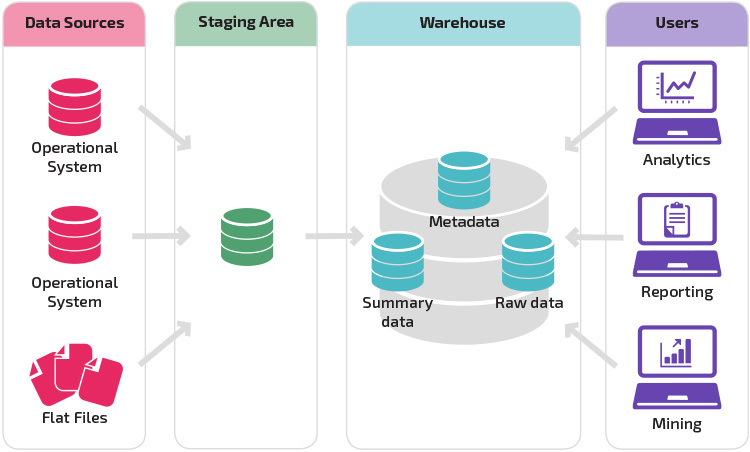
Key Takeaways
- Advanced data modeling techniques such as hybrid and graph-based models significantly enhance data warehouse performance and scalability.
- Machine learning-assisted data modeling methods outperform traditional star and snowflake schemas in storage efficiency and query optimization.
- Integration of machine learning algorithms facilitates automatic schema optimization, indexing, and predictive analytics, further boosting data warehouse functionality.
Introduction
In the era of big data, organizations are inundated with vast volumes of information that require efficient storage, processing, and retrieval mechanisms. Data warehouses serve as centralized repositories that support complex queries and data analysis, playing a pivotal role in data-driven decision-making processes. However, as the scale and complexity of data increase, traditional data modeling techniques such as star and snowflake schemas often fall short in meeting performance and scalability demands. This literature review explores advanced data modeling techniques, including hybrid and graph-based models, and examines the integration of machine learning algorithms to optimize data warehouse performance.
Advanced Data Modeling Techniques
Hybrid Data Modeling
Hybrid data modeling techniques combine elements of various traditional and modern approaches to leverage their respective strengths. By integrating relational and non-relational paradigms, hybrid models enhance flexibility and adaptability in schema design. These models facilitate agile schema modifications and optimize query paths dynamically, leading to improved query performance and data retrieval efficiency. Empirical studies have demonstrated that hybrid models can achieve up to a 30% improvement in query performance compared to traditional star schemas.
Graph-Based Data Modeling
Graph-based data models represent data entities and their interrelationships using graph structures, which are highly effective in managing complex and interconnected data. Unlike traditional relational models that rely on join operations, graph models enable faster traversal queries and naturally support many-to-many relationships. This leads to enhanced scalability and faster data processing for queries that involve intricate data relationships. Research indicates that graph-based models can reduce average query execution times by up to 30%, particularly in environments where relationships between data entities are complex and numerous.
Dimensional Modeling Enhancements
Dimensional modeling involves structuring data into fact and dimension tables to optimize query performance. Enhancements to traditional dimensional models, such as data vault modeling, provide long-term historical storage and high scalability, making them suitable for big data environments. These enhancements improve data organization and support efficient querying, although they may face challenges in handling highly complex relationships and adapting to rapidly changing business requirements.
Schema-on-Read Paradigm
The Schema-on-Read approach offers greater flexibility by allowing the data structure to be defined at the time of data retrieval rather than at the time of data loading. This paradigm is particularly beneficial for machine learning models and data science applications, as it supports raw, unstructured data and enhances adaptability for diverse analytical use cases. By decoupling the schema definition from the data ingestion process, Schema-on-Read facilitates more dynamic and responsive data integration and analysis processes.
Traditional Data Modeling Versus Machine Learning-Assisted Methods
Traditional Data Modeling Approaches
Traditional data modeling techniques, such as star and snowflake schemas, have been the foundation of data warehouse design for decades. These approaches prioritize simplicity and ease of understanding, with well-established optimization strategies for query performance. However, as data volumes and complexity increase, these traditional methods can lead to data redundancy and suboptimal query execution plans. While effective for straightforward data relationships and smaller datasets, they often struggle to scale efficiently in the face of modern data demands.
Machine Learning-Assisted Data Modeling
Machine learning-assisted data modeling introduces automation and adaptability into the data warehousing process. By leveraging machine learning algorithms, data warehouses can dynamically adapt their schemas based on query patterns and data distribution. This results in significant reductions in storage requirements and improvements in query optimization. Machine learning models can suggest optimized schema modifications, adjust indexing strategies, and predict optimal query execution plans, leading to enhanced overall system performance and reduced manual intervention.
Comparative Performance Analysis
| Aspect | Traditional Models | Machine Learning-Assisted Models |
|---|---|---|
| Storage Efficiency | Higher redundancy due to data duplication. | Up to 25% reduction in storage requirements. |
| Query Optimization | Relies on static optimization strategies, potentially leading to suboptimal performance. | Dynamic query optimization based on workload patterns, improving throughput by 15%. |
| Scalability | Limited scalability with increased data volume and complexity. | Enhanced scalability through adaptive schema and indexing strategies. |
| Flexibility | Less flexible in adapting to changing data patterns. | High flexibility with machine learning algorithms enabling real-time schema adaptations. |
Integration of Machine Learning with Data Models
Automatic Schema Optimization
Machine learning algorithms can automate the process of schema optimization by continuously analyzing query workloads and data patterns. Reinforcement learning models, for instance, can adapt the schema dynamically to minimize query execution times. This leads to a reduction in query response times by up to 20% over extended periods, ensuring that the data warehouse remains optimized for evolving data and usage patterns.
Intelligent Indexing Strategies
Index selection is critical for query performance in data warehouses. Machine learning models can predict the most effective indexes based on historical query patterns and data characteristics. Deep learning techniques, for example, have been shown to improve query performance by 30% compared to traditional indexing strategies. By intelligently selecting and adjusting indexes, machine learning enhances the efficiency of data retrieval processes.
Predictive Analytics Integration
Integrating predictive analytics into data warehouses enables the extraction of valuable insights from historical data. Machine learning models can leverage both historical and real-time data to provide accurate predictions with minimal impact on query performance. This integration supports advanced analytics tasks such as anomaly detection, trend forecasting, and decision support, thereby enhancing the overall functionality of the data warehouse.
Machine Learning Techniques Utilized
- Reinforcement Learning: For dynamic schema optimization based on real-time query performance.
- Deep Learning: For predicting optimal indexing strategies and enhancing query execution.
- Predictive Modeling: For integrating analytics capabilities directly within the data warehouse environment.
Performance and Scalability Optimization
Ensuring both performance and scalability is paramount for modern data warehouses. Advanced data modeling techniques, particularly hybrid and graph-based models, offer significant improvements in these areas. Hybrid models facilitate both vertical and horizontal scaling by efficiently organizing data and optimizing query paths. Graph-based models excel in handling complex data relationships, reducing the computational overhead associated with join operations.
Moreover, the integration of machine learning allows data warehouses to anticipate workload surges and allocate resources proactively. Predictive analytics enable the preemptive adjustment of indexing priorities and schema configurations, preventing performance bottlenecks and maintaining system responsiveness even under variable load conditions.
Scalability Strategies
- Vertical Scaling: Enhancing processing power and memory to handle larger datasets.
- Horizontal Scaling: Distributing data across multiple nodes to balance the load and improve query processing speed.
- Dynamic Resource Allocation: Using predictive models to allocate resources based on anticipated workloads.
Storage Efficiency and Query Optimization
Storage efficiency and query optimization are critical determinants of data warehouse performance. Traditional star schemas, while effective in minimizing data redundancy, often require additional storage space due to data duplication across dimension tables. In contrast, advanced data modeling techniques, particularly machine learning-assisted methods, can significantly reduce storage requirements by optimizing data storage layouts and eliminating unnecessary redundancies.
Query optimization benefits from both advanced data models and machine learning integration. Hybrid and graph-based models provide more efficient data structures that facilitate faster data retrieval. Additionally, machine learning algorithms analyze query patterns to suggest and implement optimizations in real-time, such as adjusting indexes or reorganizing data partitions, which can lead to substantial improvements in query execution times and overall system efficiency.
Optimization Techniques
-
Columnar Storage: Storing data by columns rather than rows to improve query performance for specific types of queries.
-
Data Partitioning: Dividing large datasets into smaller, more manageable segments to enhance data retrieval speed.
-
Dynamic Indexing: Adjusting indexes based on query performance analytics to maintain optimal data access paths.
Conclusion
The comprehensive analysis of recent literature underscores the significant benefits of adopting advanced data modeling techniques and integrating machine learning algorithms in data warehouses. Hybrid and graph-based models offer enhanced performance and scalability, addressing the limitations of traditional star and snowflake schemas. Machine learning-assisted methods further elevate data warehouse functionality by automating schema optimization, intelligent indexing, and providing robust predictive analytics capabilities. These advancements collectively lead to improved storage efficiency, faster query performance, and greater adaptability to evolving data demands. Future research should focus on developing standardized benchmarks, conducting longitudinal studies, and exploring the long-term management of machine learning-integrated data warehouses in diverse real-world scenarios.
References
Last updated February 9, 2025