
Determining the Optimum Speed for Navigating a Pothole
A detailed guide on minimizing tire damage while driving over potholes
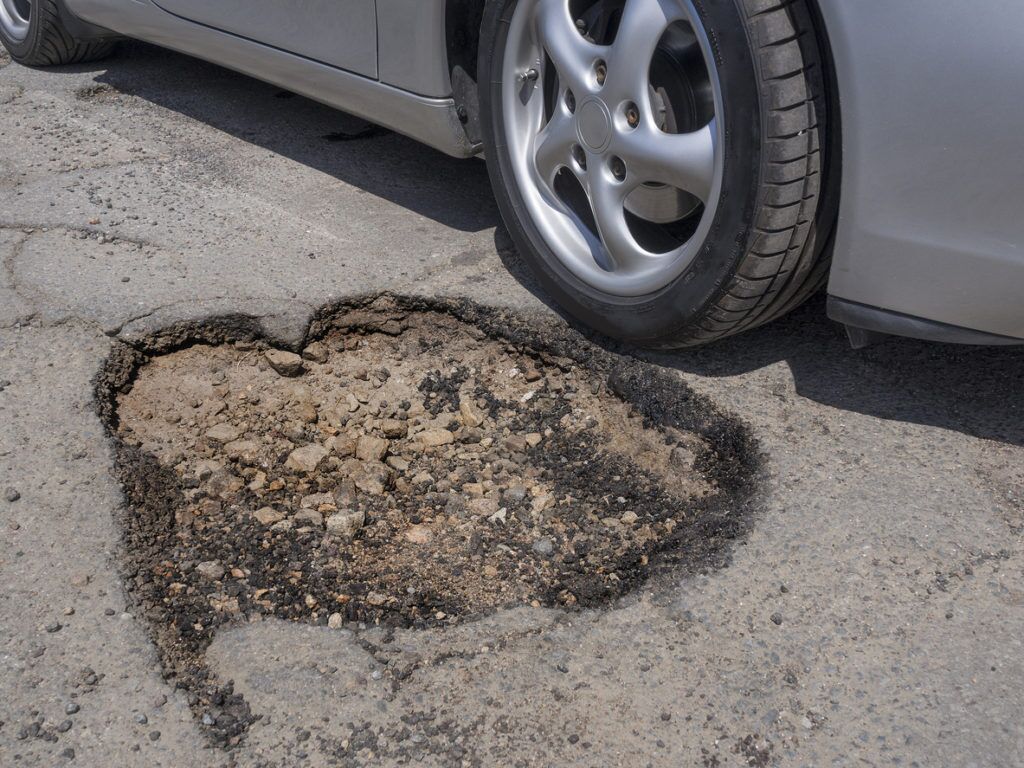
Key Highlights
- Slow and Steady: Generally, driving at lower speeds—often below 20 mph (32 km/h)—is recommended to reduce impact forces.
- Vehicle Dynamics: Factors such as pothole dimensions (width L and depth h), tire size D, tire inflation, and suspension characteristics critically affect damage.
- Braking and Reaction: Adjust your speed and release braking before hitting the pothole to allow the tire and suspension system to absorb impact more effectively.
Understanding the Variables
The optimum speed to drive over a pothole depends on several factors including the pothole’s physical characteristics and the vehicle’s specifics. In our scenario, the pothole is defined by its width L and depth h, while the tire is characterized by its size D, and the vehicle’s maximum allowable speed is 130 km/h. Each of these variables can significantly influence the impact force encountered by the tire:
1. Pothole Dimensions (L and h)
The width (L) of the pothole determines how much of the tire will directly interact with the depressed surface. A wider pothole might allow the tire to have a more consistent passage if its contact with the elevated road surface before and after the pothole is adequate. Meanwhile, the depth (h) is critical because deeper potholes can force the tire to drop more abruptly, increasing the compression and potential for damage. Generally, the lower the depth and the less abrupt the transition, the lower the forces involved.
2. Tire Size and Characteristics (D)
The tire’s diameter and profile, denoted as D, play a crucial role. Larger, higher-profile tires tend to absorb impact better due to more substantial cushioning provided by the tire’s structure. Proper tire inflation further enhances the ability to absorb shock. Smaller, low-profile tires, in contrast, might transfer more force to the wheel and underlying suspension components.
3. Vehicle Suspension and Braking Dynamics
The suspension system's characteristics determine how the vehicle reacts to sudden impacts. A well-tuned suspension can mitigate some damage by absorbing part of the shock. Braking behavior is also important. Heavy braking before a pothole increases the load on the front end while reducing available suspension travel, causing a harsher impact. It is advisable to release the brakes just as you approach the pothole, allowing the suspension system to respond more naturally.
Optimum Speed Considerations
Given the maximum allowable speed of 130 km/h for the vehicle, handling potholes effectively requires careful speed selection. The consensus from multiple expert opinions is that, irrespective of a vehicle’s top speed capabilities, a lower speed upon encountering potholes minimizes potential tire and suspension damage. Here are some recommended strategies:
A. Reducing Speed Gradually
As you approach a pothole, gradually reduce your speed. Many experts suggest that speeds in the range of 20-30 km/h (approximately 12-19 mph) are effective in balancing the dynamics of impact absorption. However, the most cautious approach is to aim for speeds below 20 mph (around 32 km/h), especially when the pothole’s depth is significant. Lower speeds tend to allow the tire to absorb shock more gently, reducing the risk of severe deformation or internal damage.
B. Maintaining a Steady Speed Over the Pothole
Once you have slowed down, maintaining a constant, steady speed is critical. Sudden accelerations or decelerations while the tire is in contact with the pothole can exacerbate the forces transmitted to the tire. By keeping a consistent speed and letting the tire roll over the pothole, the suspension can better adjust to the contours of the road, leading to less impact-related damage.
C. Braking Techniques
Avoid hard braking during the actual impact if possible. Heavy braking compresses the weight onto the tire and suspension system as you enter the pothole, potentially increasing the damage. It is preferable to ease off the brakes slightly before the pothole so that your vehicle’s weight distribution remains more balanced, thereby allowing the tire to follow the curve of the road rather than plunging directly into the depression.
Recommended Speed Range
Combining the factors mentioned above, an optimum speed to drive over a pothole—taking into account the pothole’s width (L) and depth (h), the tire’s characteristics (size D), as well as the constraints imposed by a maximum speed of 130 km/h—is not strictly defined by a universal formula. Nevertheless, the best practical approach observed is as follows:
| Speed Category | Recommended Speed (km/h) | Rationale |
|---|---|---|
| High-Speed Impact | Above 40 km/h | Increased kinetic energy leads to higher impact force; not advisable for potholes. |
| Moderate Speed | 20 - 30 km/h | Balances ride smoothness and controlled impact; cautious approach for shallow potholes. |
| Optimal Cautious Speed | Below 20 mph (~32 km/h) | Minimizes shock absorption requirements; best for deeper or wider potholes. |
| Braking Phase | Gradual reduction to ≤ 32 km/h | Prepares the vehicle and suspension system for the impending impact. |
Although driving at the maximum speed of 130 km/h might be safe on smooth roads, when you are approaching a pothole, reducing speed to below 32 km/h is widely advised. This slower approach, together with proper braking techniques, lessens the violent load transfer to both the tire and the suspension.
Additional Considerations
Tire Inflation and Condition
Proper tire inflation can absorb impact better and reduce the effective damage to the tire. Maintaining the tire at its recommended inflation pressure is crucial, especially when frequently traversing uneven roads that feature potholes.
Vehicle Suspension Settings
The effectiveness of your vehicle's suspension setting also influences the overall outcome when driving over a pothole. Modern vehicles equipped with adaptive suspension systems may handle such impacts more gracefully, but drivers should still exercise caution by reducing speeds accordingly.
Road Conditions and Visibility
The broader context of road conditions should not be overlooked. Weather conditions, visibility, and the presence of other hazards may necessitate further reductions in speed. Always adjust your driving to the prevailing road environment to minimize risk.
Recommended Resources
- 10 Quick Tips for Avoiding Pothole Damage - DeBoer's Auto
- Drive Safer with Potholes - Grange Insurance
- How to Avoid Pothole Damage - AAA
- Pothole Survival Guide - Consumer Reports
- How to Avoid Damage From Potholes - Stauffer's Road Solutions
Related Queries for Deeper Insights
Last updated March 6, 2025